In 1930, a letter from the Criminal Investigation Department (CID) in Delhi exposed how schoolchildren were displaying images of revolutionary leaders Bhagat Singh and Batukeshwar Dutt on their buttons. This discovery sheds light on the spread of nationalist sentiment among young students during British colonial rule, nearly two decades before India gained independence in 1947.
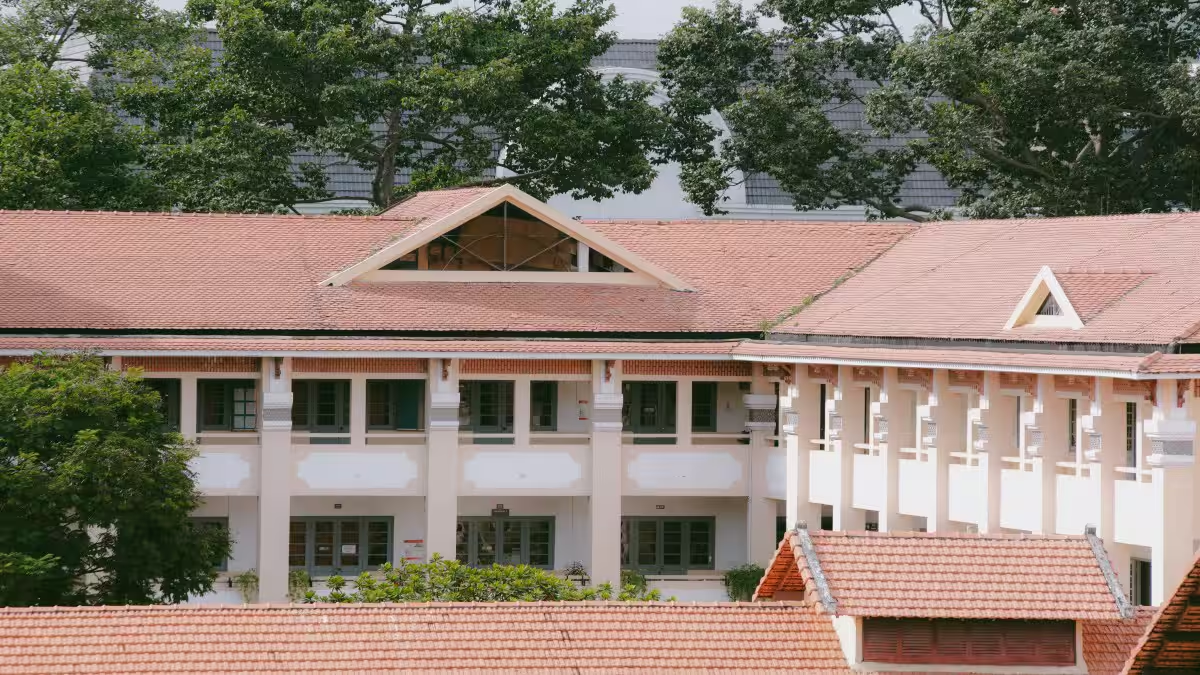
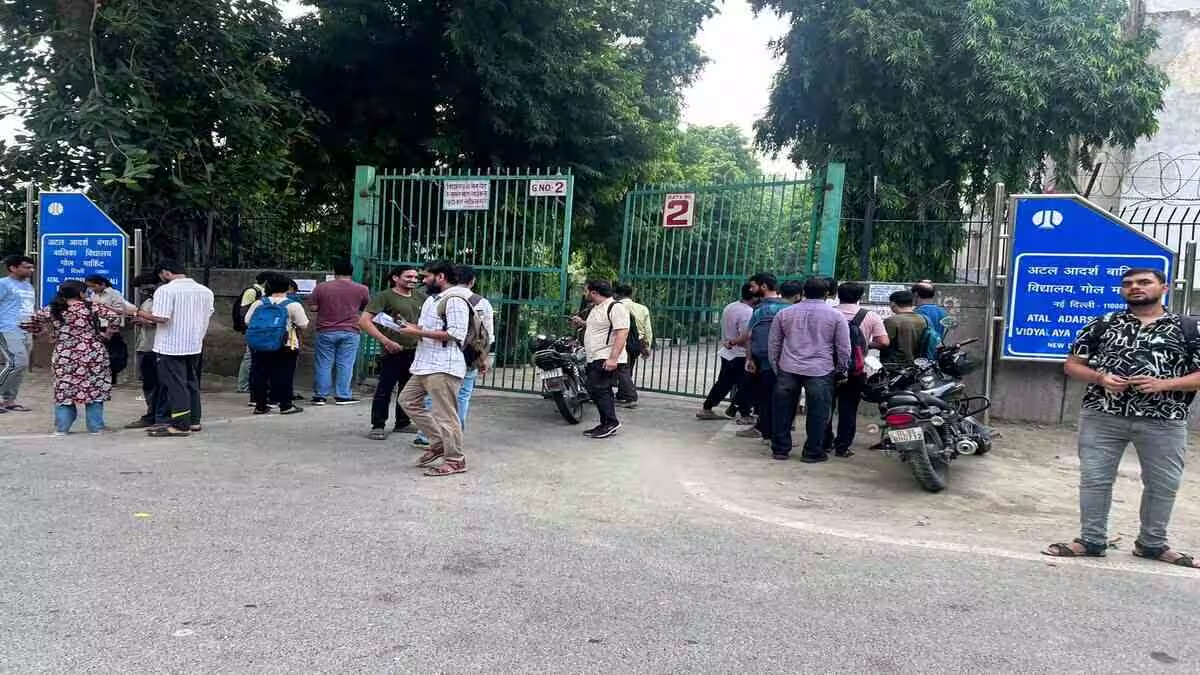
The letter, dated November 5, 1930, was addressed by the superintendent of police to the Deputy Commissioner of Delhi. It reported on activities at M B High School in New Delhi, where students were openly expressing support for the freedom struggle by wearing badges featuring prominent revolutionaries and displaying their photographs inside classrooms.
Colonial Surveillance of Political Expression in Schools
During British rule, political activism was closely monitored, especially any signs of dissent in public institutions like schools. The letter reveals that authorities were concerned about the headmaster and a teacher named Dola Ram, who were seen as encouraging or at least tolerating these displays. Although the headmaster ordered the removal of the photographs on November 3, the incident illustrates how even small acts of rebellion were significant enough to attract police scrutiny.
At the time, Bhagat Singh and Batukeshwar Dutt were widely recognized for their bold resistance against colonial policies. Their actions, including the famous bombing of the Central Legislative Assembly in Delhi on April 8, 1929, were designed to protest British rule and inspire Indians to fight for freedom. The trial that followed became a platform for spreading their revolutionary message.
Key Details from the 1930 CID Letter
- The letter was written on November 5, 1930, by the superintendent of police, CID, Delhi.
- It was addressed to J N G Johnson, ICS, Deputy Commissioner of Delhi.
- Reported on M B High School’s students wearing buttons with images of Bhagat Singh and Batukeshwar Dutt.
- Photographs of political and revolutionary leaders were displayed inside classrooms.
- The headmaster and second master Dola Ram were identified as responsible for allowing these displays.
- The headmaster ordered the removal of the photographs on November 3, 1930.
Why This Letter Matters for Understanding India’s Freedom Movement
This letter offers a rare glimpse into how the independence movement permeated everyday life, reaching even schoolchildren who were not yet adults. It shows that admiration for revolutionary figures was not limited to political rallies or newspapers but was also expressed in subtle ways within educational settings. The fact that the colonial police took note of these small symbols highlights the power of youth participation in shaping public opinion.
Bhagat Singh’s execution in 1931 turned him into a lasting icon of resistance, while Batukeshwar Dutt’s life imprisonment underscored the sacrifices made by many revolutionaries. The letter captures a moment when the idea of freedom was spreading among young minds, contributing to the larger struggle that eventually led to India’s independence on August 15, 1947.
Frequently Asked Questions
Q: Who were Bhagat Singh and Batukeshwar Dutt?
A: Bhagat Singh and Batukeshwar Dutt were Indian revolutionaries known for their fight against British colonial rule. They gained fame for bombing the Central Legislative Assembly in 1929 as a protest against oppressive laws.
Q: Why did the police monitor schoolchildren’s activities in 1930?
A: The colonial authorities closely watched any political expressions that could encourage anti-British sentiment, including in schools, to prevent the spread of nationalist ideas among young people.
Q: What does this letter reveal about the freedom movement?
A: It shows that the independence struggle influenced all levels of society, including students, and that symbols like badges and photographs played a role in spreading revolutionary ideas.