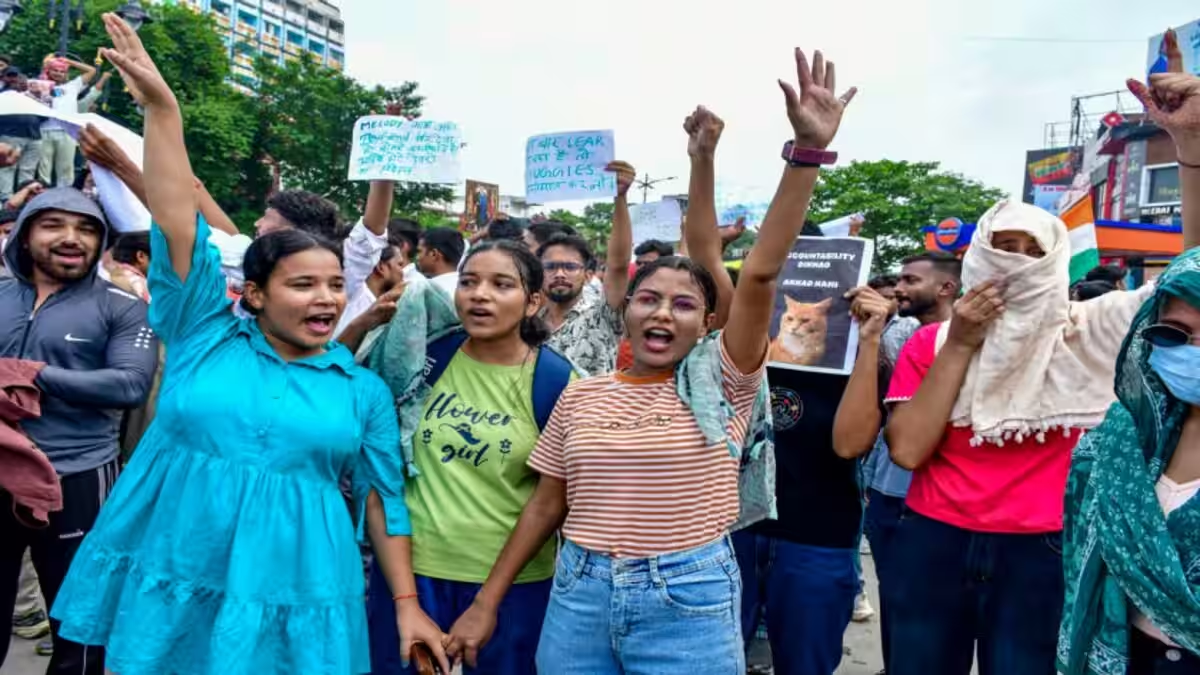
The All India Students’ Association (AISA) has strongly condemned the government’s approach to students protesting at Jantar Mantar, accusing authorities of targeting them based on the language used to criticize Prime Minister Narendra Modi. The students’ group also denounced the filing of First Information Reports (FIRs) against protesters, calling these legal actions "absurd."
Understanding the CJP Protest and AISA's Response
The protests, organized under the banner of the Campaign for Judicial and Parliamentary (CJP) reforms, saw students demanding changes in the education system. AISA’s statement highlights that the Delhi Police have taken a harsh stance against these students, particularly focusing on the language they used during demonstrations. The association points out a perceived double standard, noting that no FIRs were filed against political leaders like former education minister Dharmendra Pradhan, who publicly labeled protesting students as "terrorists."
Moreover, AISA criticized the silence and inaction towards hate speech from certain political figures, including members of the RSS and BJP, who have reportedly targeted marginalized communities and protesters with derogatory terms without facing legal consequences.
Key Facts About the Protest and Police Actions
- Students participating in the CJP protest faced FIRs filed by Delhi Police, which AISA calls "absurd."
- Former education minister Dharmendra Pradhan referred to protesting students as "terrorists" but was not subjected to police action.
- Political leaders from RSS and BJP have allegedly used hate speech against Muslims, Dalits, women, and protesters without legal repercussions.
- Women protesters have reportedly been subjected to rape threats, abuse, and online trolling, with no accountability for the perpetrators.
- Delhi Police personnel accused of assaulting women during the protests have not faced criminal charges.
- The BJP government had previously assured it would not crack down on student protesters, yet FIRs continue to be filed.
- Parliament recently passed the Public Examination (Prevention of Unfair Means) Amendment Bill, 2026, introducing stricter punishments for paper leak offenses, including up to 10 years in jail and fines ranging from Rs 50 lakh to Rs 10 crore.
Why AISA Calls for an End to Criminalizing Student Protesters
AISA argues that the government is using legal measures to suppress dissent and silence students who are exercising their right to protest. The association points to the unequal treatment of protesters compared to political leaders who engage in inflammatory rhetoric without facing consequences. This, they say, reflects a broader pattern of intolerance toward voices demanding reform and justice.
The group also highlights the specific vulnerabilities faced by women protesters, who encounter threats and harassment both offline and online, yet receive little protection or support from authorities. AISA’s call to action urges citizens to support students and pressures the government to stop criminalizing peaceful protests and to foster a more tolerant environment for public expression.
Frequently Asked Questions
Q: What is the CJP protest about?
A: The CJP protest involves students demanding reforms in the education system, focusing on issues like fairness, transparency, and better governance.
Q: Why is AISA criticizing the police and government?
A: AISA accuses the police of unfairly targeting students with FIRs based on their protest language, while political leaders who use similar or harsher language face no legal action. They also highlight the lack of protection for women protesters.
Q: What penalties does the new anti-paper leak bill introduce?
A: The Public Examination (Prevention of Unfair Means) Amendment Bill, 2026, imposes punishments of up to 10 years in jail and fines between Rs 50 lakh and Rs 10 crore for those involved in leaking exam papers.