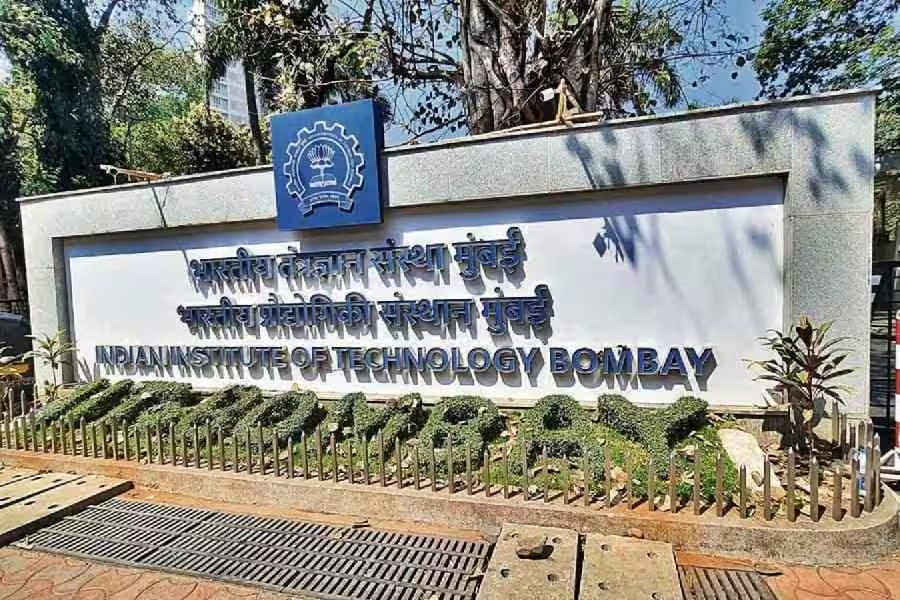
At the Independence Day event held at Allahabad University, Vice-Chancellor Sangeeta Srivastava addressed the importance of responsible speech within the framework of India’s Constitution. She stressed that while freedom of expression is a fundamental right, it does not extend to the freedom to abuse others.
Understanding Freedom of Expression in India
India’s Constitution guarantees its citizens the right to express their opinions freely, a cornerstone of the world’s largest democracy. This right is essential for open dialogue, political debate, and social progress. However, this freedom comes with boundaries designed to maintain respect and order within society. The Constitution does not protect speech that is abusive, defamatory, or intended to incite hatred or violence.
Srivastava’s remarks highlight the delicate balance between protecting free speech and preventing harmful rhetoric that can disrupt social harmony. Her comments come amid growing concerns about the tone of public discourse in educational institutions and beyond.
Key Points from the Vice-Chancellor’s Speech
- Educational institutions nationwide are facing challenges due to disruptive behavior by certain groups described as "anarchic elements."
- These groups reportedly use abusive language aimed at undermining the country’s leadership and values.
- Srivastava refrained from naming specific individuals or groups but condemned the use of insults and disrespect.
- She pointed out that even the prime minister and his late mother have been targets of offensive language, reflecting a decline in traditional respect and cultural values.
- The Vice-Chancellor called for a return to respectful dialogue and adherence to constitutional principles.
Why Respectful Expression Matters in Democracy
Srivastava’s message underscores a broader concern about the quality of public discourse in India. Freedom of expression is vital for democracy, but when it devolves into abuse, it can erode trust and civility. The use of offensive language against leaders and their families not only disrespects individuals but also threatens the social fabric that holds communities together.
By emphasizing that freedom of expression does not equate to freedom to abuse, the Vice-Chancellor is urging citizens, especially students and academics, to engage in constructive conversations. This approach fosters a healthier environment for debate and learning, which is crucial for the country’s democratic and cultural growth.
Frequently Asked Questions
Q: What does the Constitution say about freedom of expression?
A: The Constitution of India guarantees freedom of expression as a fundamental right but places reasonable restrictions to prevent abuse, defamation, or speech that incites violence or hatred.
Q: Why did the Vice-Chancellor mention abuse against the prime minister and his mother?
A: She highlighted these examples to illustrate how disrespectful language has extended even to prominent figures and their families, signaling a decline in traditional values and respect in public discourse.
Q: What challenges are educational institutions facing regarding free speech?
A: According to Srivastava, some disruptive groups within educational settings use abusive language and behavior that undermine leadership and create difficulties for maintaining a respectful and productive environment.