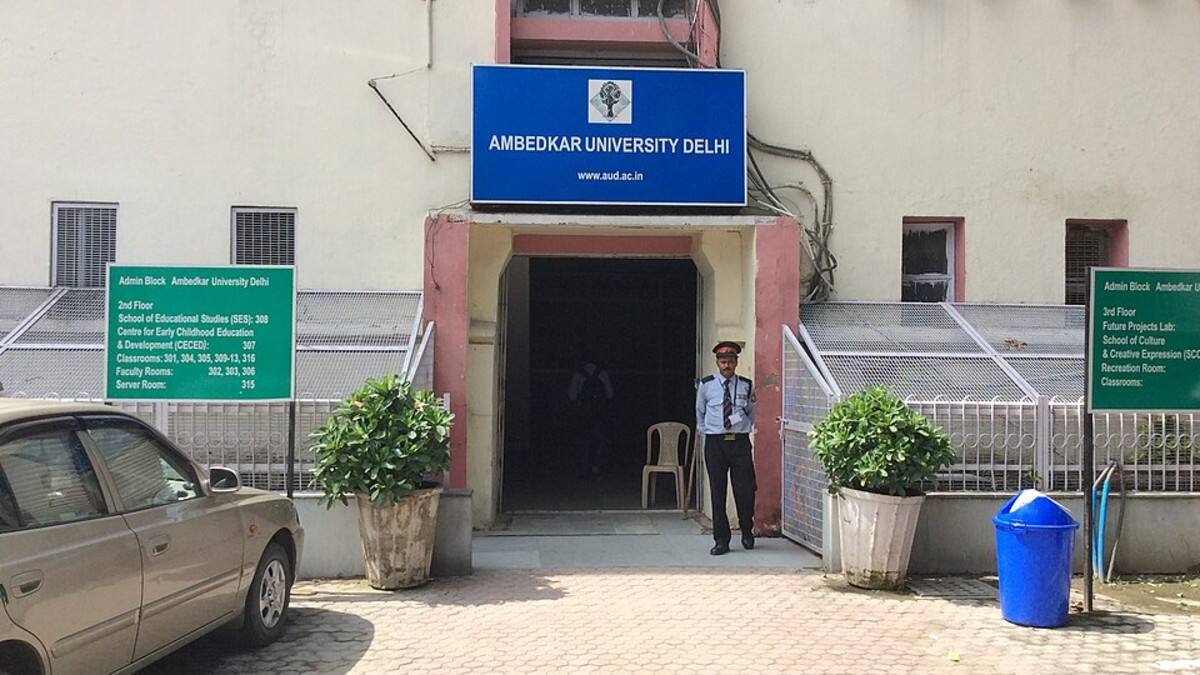
Ambedkar University Delhi has updated its rules for full-time PhD scholars who receive fellowships. The new guidelines replace an earlier order from July 31 that required strict attendance, which caused student protests. The revised rules, issued on September 30, allow more flexibility but still expect scholars to attend coursework, seminars, and maintain steady research progress.
- The university requires attendance records to be kept by supervisors and coordinators, verified by the dean.
- Supervisors must ensure scholars make satisfactory academic progress.
- The guidelines align with University Grants Commission (UGC) regulations and similar university practices.
- The changes aim to improve the research environment and encourage active participation in academic activities.
- Student protests raised concerns about attendance rules and campus access restrictions.
- The university clarified that some facilities were temporarily closed for maintenance and safety.
- Authorities provided a designated area for peaceful protests and continue medical monitoring of students.
What are the new attendance guidelines for PhD scholars?
The revised guidelines require PhD scholars to attend coursework and seminars regularly. Attendance records must be maintained by the research supervisor and programme coordinator, then verified by the dean of the relevant school. Supervisors are responsible for ensuring that scholars maintain satisfactory academic engagement and research progress. These guidelines are academic in nature and follow UGC regulations and practices at other universities.
Why did Ambedkar University revise the fellowship guidelines?
The university revised the guidelines after students protested the earlier July 31 notification, which introduced strict attendance requirements. Scholars were concerned that these rules restricted their academic freedom and research activities. The new order issued on September 30 offers greater flexibility while still emphasizing the importance of academic participation and progress.
What issues did students raise during the protests?
Students, particularly those associated with the All India Students Association (AISA), protested against the attendance rules, campus restrictions, limited access to facilities, and other demands. The protests lasted for a week and escalated when students alleged that security personnel restricted entry of food and water. There were also concerns about delayed medical assistance when a student collapsed during the protest.
How has the university responded to the protests and campus access concerns?
The university stated that its medical team continuously monitored the health of protesting students and provided necessary assistance. It explained that some facilities like the library and laboratories were temporarily closed for maintenance and safety, with prior notice given to students. The administration noted that the sit-in protest was held without permission but offered a designated space for peaceful protests. It also reported incidents where security guards were allegedly manhandled and informed Delhi Police accordingly.
What is the university's message to students and stakeholders?
Ambedkar University urged students and stakeholders not to spread misinformation and emphasized its openness to dialogue and clarification. The administration highlighted that many students and their families trust the university with their futures and careers. It called on everyone to avoid panic and protect the institution's reputation by sharing accurate information.