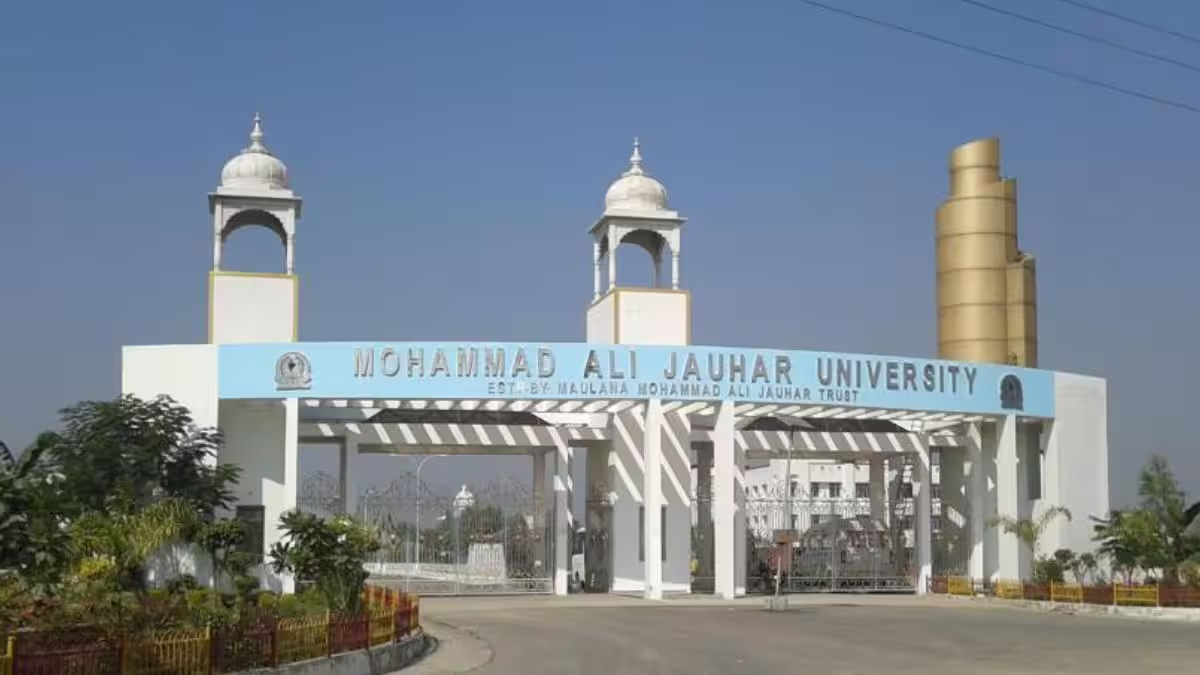
On Sunday, students at Aligarh Muslim University (AMU) organized a march on campus to protest the demolition order issued against Mohammad Ali Jauhar University in Rampur. The university, founded by Samajwadi Party leader Azam Khan, faces the demolition of most of its buildings following a directive from the Rampur Development Authority.
Protesters submitted a memorandum addressed to President Droupadi Murmu, requesting her intervention to halt the demolition and protect the rights of the students affected by this decision.
Understanding the Demolition Order and Its Context
The Rampur Development Authority has ordered the demolition of 38 out of 40 buildings at Mohammad Ali Jauhar University. The authority claims these structures were constructed without the necessary approvals. However, the university disputes this, arguing that the buildings were erected when the land was outside the jurisdiction of the development authority.
This conflict highlights a complex legal and administrative dispute over land use and regulatory oversight. The university maintains that the demolition order is unjust and threatens the educational environment and infrastructure critical to its students.
Key Facts About the Protest and Demolition
- The protest took place on the AMU campus, involving a group of students voicing their opposition.
- The memorandum was formally handed to a university official, intended for President Droupadi Murmu’s attention.
- The Rampur Development Authority’s order targets 38 buildings, leaving only two structures untouched.
- The university contends the buildings were constructed legally, citing jurisdictional changes over time.
- The students described the demolition as an attack on their fundamental rights, particularly impacting marginalized communities.
- Solidarity was expressed with Sonam Wanchuk, a student on a hunger strike for over 20 days protesting alleged irregularities in the NEET examination process.
Why This Protest Matters for Students and the Community
The demolition order and the students’ response underscore broader issues of educational access, minority rights, and governance. Mohammad Ali Jauhar University serves a significant number of students from marginalized backgrounds, and the destruction of its facilities could severely disrupt their education.
By appealing directly to the President of India, the students aim to bring national attention to what they see as an unfair and politically motivated action. Their protest also reflects concerns about the protection of minority institutions and the importance of due process in administrative decisions.
The solidarity shown with Sonam Wanchuk links this local issue to wider student activism around fairness and transparency in educational examinations, highlighting the interconnected challenges faced by students across the country.
Frequently Asked Questions
Q: Why has the Rampur Development Authority ordered the demolition?
A: The authority claims that 38 buildings at Mohammad Ali Jauhar University were constructed without proper approvals, prompting the demolition order.
Q: What is the university’s response to the demolition order?
A: The university argues that the buildings were built when the land was outside the development authority’s jurisdiction and is challenging the demolition legally.
Q: How are the students affected by this situation?
A: Students fear the demolition will disrupt their education and see it as an attack on their rights, especially for those from marginalized communities. They have protested and sought intervention from the President of India.