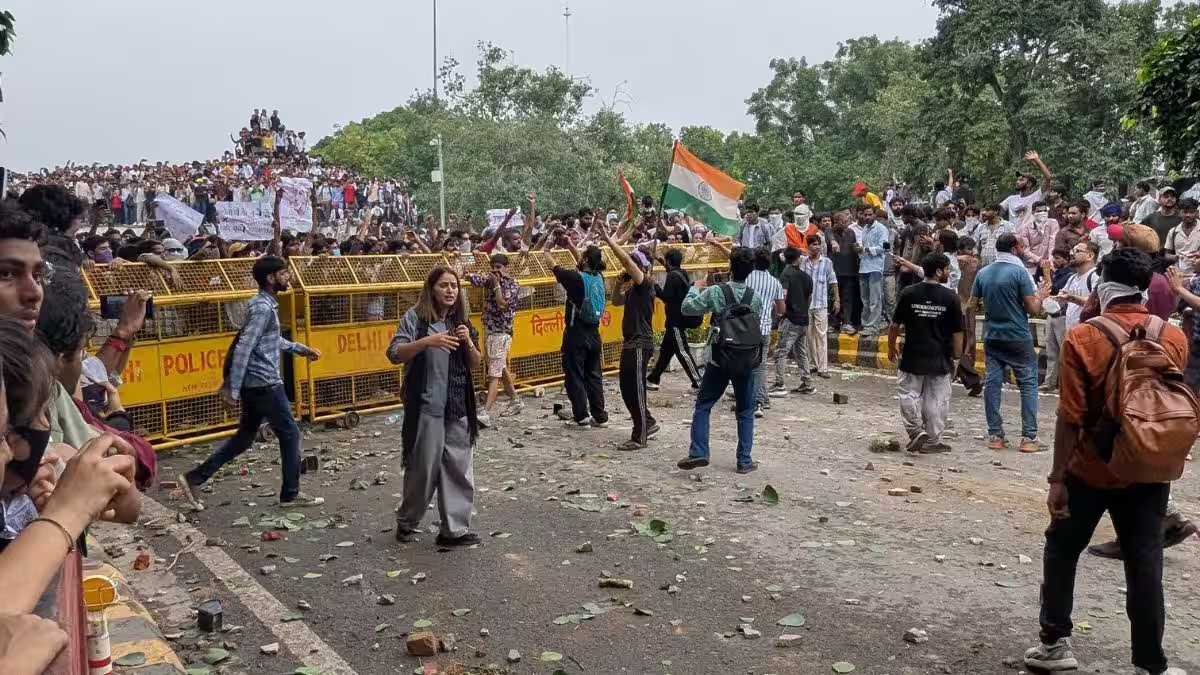
Security measures have been significantly increased at Jantar Mantar in New Delhi as authorities prepare for a proposed protest against caste-based reservation policies. Police sources confirmed that additional personnel have been deployed to the area to maintain order and prevent unauthorized demonstrations.
Background on the Reservation Debate
Caste-based reservation in India is a system designed to improve opportunities for historically disadvantaged communities by reserving a percentage of government jobs, educational seats, and political positions. This affirmative action policy has been a subject of intense debate and occasional protests, with some groups opposing it on grounds of meritocracy and others supporting it as a necessary tool for social justice.
The planned protest at Jantar Mantar, a common site for demonstrations in the capital, was organized by a digital campaign called "Reservation Hatao Andolan," which translates to "Remove Reservation Movement." The campaign initially gained traction on Instagram before calling for a physical gathering.
Security Measures and Police Response
- Additional police personnel have been stationed at key points around Jantar Mantar.
- Barricades have been erected to restrict unauthorized access and prevent large gatherings.
- Police are actively monitoring and checking individuals approaching the protest site.
- Early in the day, some individuals gathered at the location but were promptly dispersed as no official permission for the protest had been granted.
- Authorities have emphasized that no assembly will be allowed without prior approval to ensure public safety and order.
Implications of the Security Tightening
The heightened security reflects the sensitivity surrounding caste-based reservation debates in India, which often provoke strong emotions and public demonstrations. By deploying additional forces and controlling access, the police aim to prevent any escalation or disruption that could arise from unauthorized protests.
This approach also signals the government's intent to regulate public demonstrations strictly, especially those organized through social media platforms without formal permissions. It highlights the challenges authorities face in balancing the right to protest with maintaining law and order in a densely populated urban area.
For the organizers and participants, these measures may limit the scale and visibility of their protest, potentially affecting the movement's momentum. However, the digital campaign's ability to mobilize support online indicates that debates over reservation policies will continue to engage the public in various forms.
Frequently Asked Questions
Q: What is caste-based reservation in India?
A: It is a system of affirmative action that reserves a certain percentage of government jobs, educational seats, and political positions for historically disadvantaged communities to promote social equality.
Q: Why was security increased at Jantar Mantar?
A: Security was heightened due to a planned protest against caste-based reservation, with police deploying extra personnel and barricades to prevent unauthorized gatherings and maintain public order.
Q: Was the protest officially permitted?
A: No, the police stated that no permission had been granted for the protest, and individuals who gathered early were removed from the site.