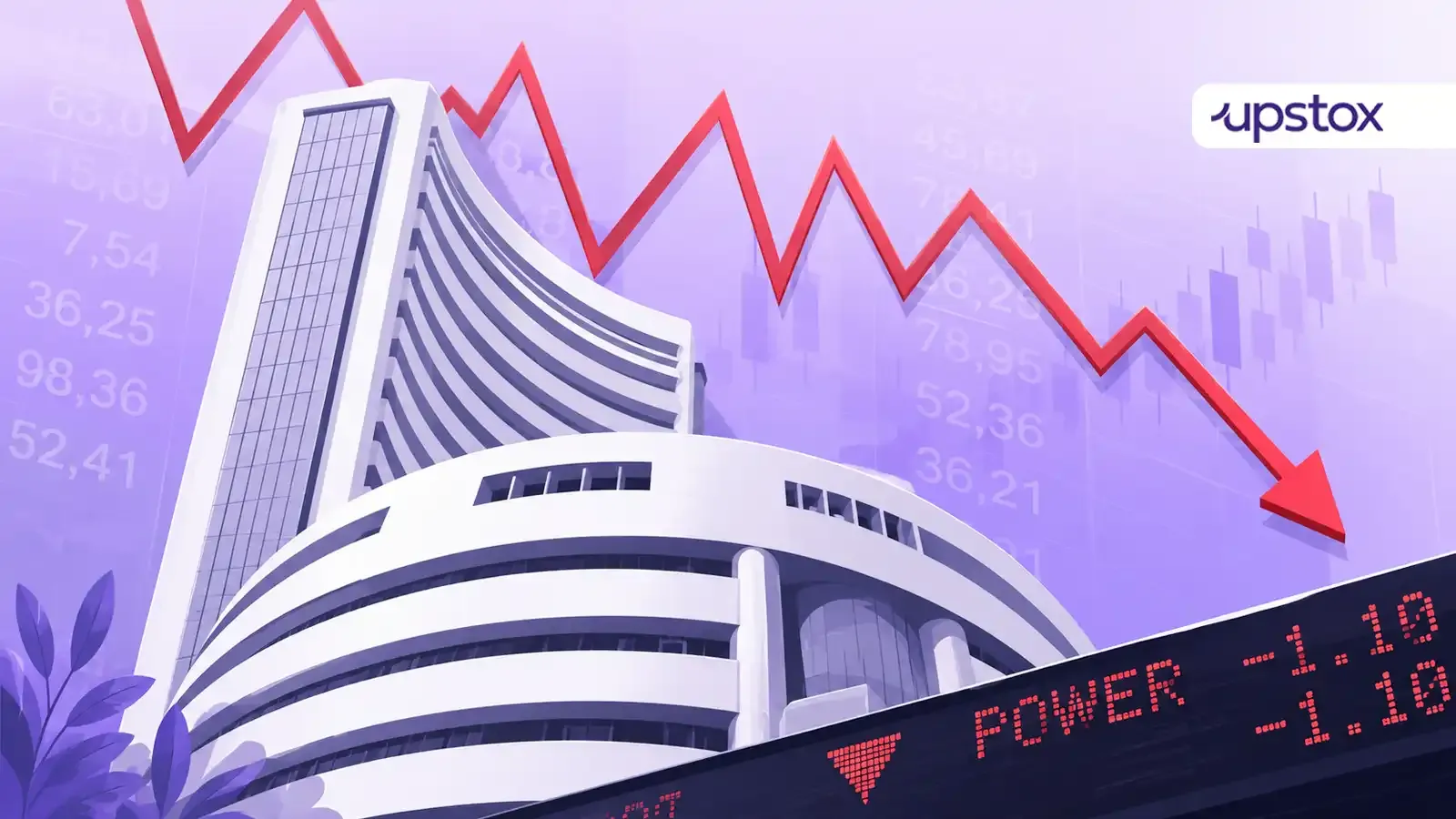
The NIFTY50 index fell by 6% in September 2026, making it one of the top underperforming equity markets globally. This decline is influenced by a combination of global economic factors and domestic market dynamics. Elevated crude oil prices, rising bond yields, and a shift in investor focus from secondary markets to new IPOs are key drivers behind this slump.
- Global factors such as high crude oil prices and increased bond yields have pressured equity markets worldwide.
- Indian investors are moving funds from secondary markets to primary markets, especially new IPOs.
- Foreign portfolio investors have reduced their holdings in Indian equities significantly in 2026.
- Domestic institutional investors have absorbed much of the foreign selling by buying large volumes.
- Retail investors show reduced activity and have turned net sellers in the secondary market.
- Strong IPO activity, including mega issues like the National Stock Exchange, has attracted investor funds away from secondary markets.
Why Did NIFTY50 Decline Despite Strong Economic Growth?
India’s economy showed strong growth with a record GDP increase of 7.8% in the first quarter of 2026, and corporate earnings were robust. However, the NIFTY50 index still declined sharply. This paradox is partly explained by global uncertainties such as the conflict in the Middle East, which has pushed crude oil prices higher. Rising oil prices increase costs for businesses and consumers, affecting market sentiment negatively.
Additionally, bond yields have surged globally as central banks end their cheap money policies. For example, US Treasury yields reached levels last seen in 2007, and Japanese interest rates are back to 1990s levels. Higher bond yields make fixed-income investments more attractive compared to equities, leading to a shift of funds away from stock markets.
How Are Foreign and Domestic Investors Affecting the Market?
Foreign portfolio investors (FPIs) have reduced their stake in Indian equities from nearly 20% a few years ago to below 17% in 2026. They sold over ₹2.45 lakh crore worth of equities in the first nine months of 2026, a significant increase compared to ₹1.66 lakh crore sold in all of 2025.
Domestic institutional investors (DIIs) have stepped in to buy these shares, purchasing more than ₹5.6 lakh crore during the same period. DIIs have been net buyers for 37 consecutive months, showing strong support for the market despite foreign selling.
What Is Happening with Retail Investors?
Retail investors have become less active in the secondary market. According to the National Stock Exchange’s market pulse report, individual investor turnover in the equity cash segment dropped by 7.8% month-over-month in August 2026. Retail investors turned net sellers in August, shedding ₹1983 crore, and their net selling over July and August totaled over ₹5,600 crore.
Despite this, retail investors are showing strong interest in primary market offerings. Investments in IPOs reached ₹13,925 crore in August, contrasting with outflows in the secondary market. This shift indicates that retail investors prefer new listings over trading existing stocks.
How Do IPOs Impact Secondary Market Liquidity?
September 2026 saw several large IPOs, including the National Stock Exchange raising ₹22,500 crore with a 5.7 times oversubscription, mainly driven by institutional investors. Over 20 other IPOs also launched during the month.
This surge in primary market activity has drawn liquidity away from the secondary market, contributing to the NIFTY50’s decline. Historically, mega IPOs tend to absorb funds that might otherwise be invested in existing stocks, leading to weaker performance in the secondary market.
What Are the Key Takeaways?
- Global economic factors like oil prices and bond yields heavily influence Indian equity markets.
- Foreign investors are reducing their exposure to Indian stocks, while domestic institutions are buying.
- Retail investors are less active in secondary markets but are investing more in IPOs.
- Strong primary market activity can reduce liquidity in secondary markets, impacting index performance.
Frequently Asked Questions
Q: Why are bond yields rising globally?
A: Central banks worldwide are ending low-interest policies, causing bond yields to increase to multi-decade highs.
Q: How do IPOs affect the stock market?
A: Large IPOs attract investor funds, which can reduce liquidity in the secondary market and lead to lower stock prices.
Q: Why are retail investors turning away from the secondary market?
A: Poor equity returns and better opportunities in new IPOs have made retail investors less active in trading existing stocks.
Q: What role do domestic institutional investors play?
A: Domestic institutional investors have been net buyers, supporting the market by absorbing shares sold by foreign investors.