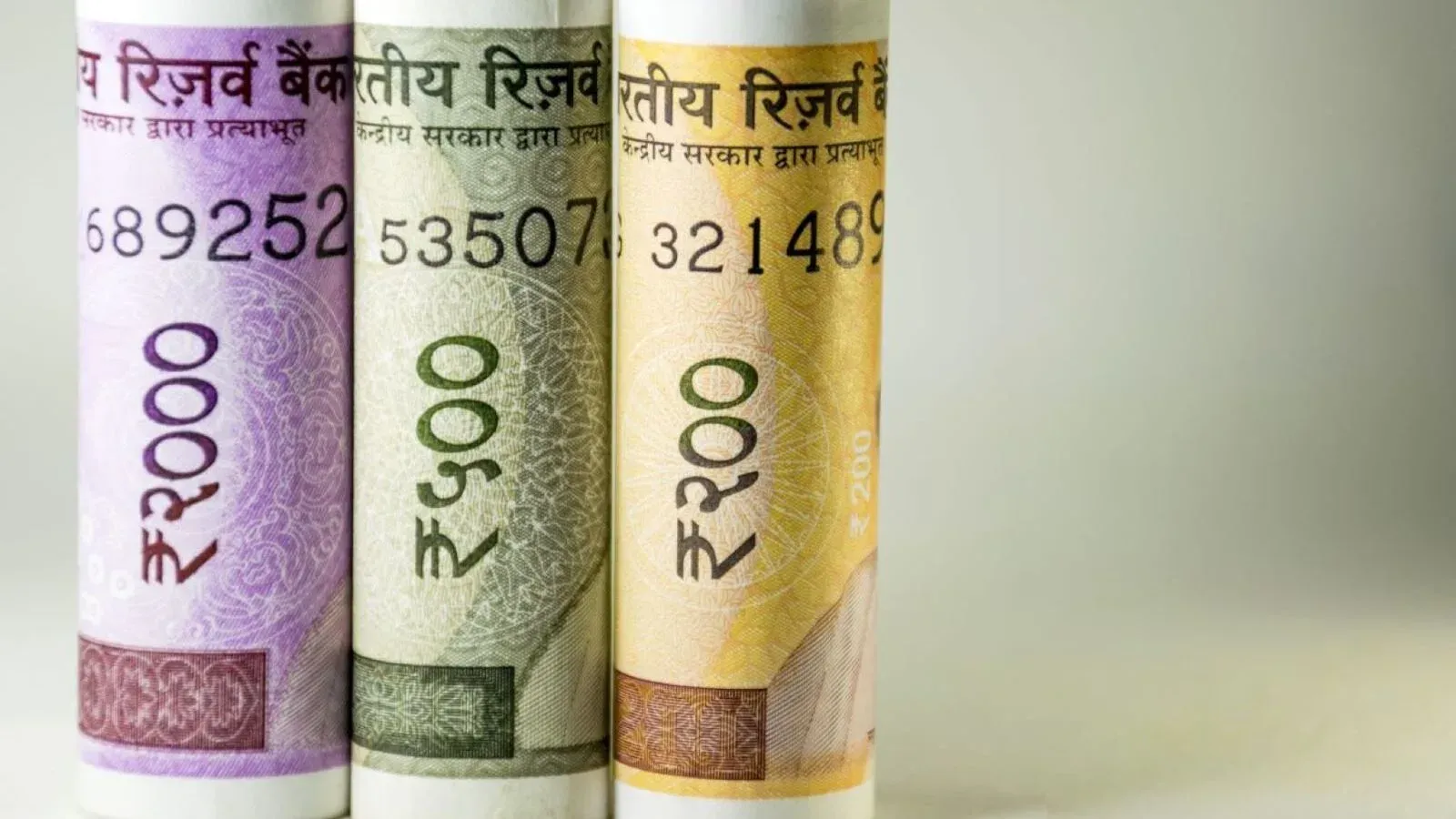
Kisan Vikas Patra (KVP) offers a fixed interest rate of 7.5% that has been unchanged since April 1, 2023. This means certificates bought today will mature in about 115 months, or nine years and seven months, doubling the invested amount. The interest rate is locked at the time of purchase, so existing certificates will not be affected by any rate changes announced in the October-December 2026 quarter.
- KVP interest rate has remained steady for 14 consecutive quarters.
- Minimum investment is ₹1,000 with no maximum limit.
- Premature encashment is allowed after two years and six months.
- KVP certificates can be used as collateral for loans.
- No tax benefits are available; interest is fully taxable at the investor's slab rate.
What is the current interest rate and maturity period of KVP?
The current interest rate for Kisan Vikas Patra is 7.5% per annum. At this rate, the investment doubles in 115 months, which is approximately nine years and seven months. This rate has been consistent since April 2023 and is expected to remain unchanged in the upcoming quarter.
How does the KVP interest rate compare to government securities?
The KVP interest rate is benchmarked against a comparable maturity government security (G-sec) plus a 25 basis point spread, as per the Shyamala Gopinath Committee framework. The 10-year G-sec, which closely matches KVP's tenure, averaged around 6.85% to 6.90% during the July-September quarter. This implies a formula rate of about 7.1%, which is slightly lower than the actual 7.5% paid on KVPs.
Can the KVP interest rate change for existing certificates?
No. The interest rate is locked at the time of purchase. Certificates bought before October 1, 2026, will continue to earn 7.5% and mature in 115 months regardless of any rate changes announced on September 30, 2026. Any revision in rates will only affect new certificates purchased after the change.
What are the investment limits and withdrawal options for KVP?
Investors can start with a minimum amount of ₹1,000 and there is no maximum limit on investment. KVP certificates can be prematurely encashed after two years and six months from the date of purchase. Additionally, these certificates can be pledged as collateral to secure loans.
Are there any tax benefits associated with KVP?
Kisan Vikas Patra does not offer any tax benefits under Section 80C or other provisions. The interest earned is fully taxable according to the investor's income tax slab. For example, an investor in the 30% tax bracket effectively earns about 5.25% after tax on the 7.5% interest rate.
How does KVP compare to other small savings schemes?
Other small savings schemes like the National Savings Certificate (NSC) offer 7.7% interest over five years along with tax benefits under Section 80C. The five-year post office time deposit also pays 7.5% interest and provides tax benefits. KVP, while offering a fixed doubling period, does not provide tax deductions.
Why has the government kept KVP rates unchanged for so long?
The government has maintained small savings rates, including KVP, unchanged for nine consecutive quarters to manage borrowing costs through the National Small Savings Fund (NSSF). The gap between the KVP rate and the benchmark government securities has narrowed, making a rate cut less likely. Similarly, a rate hike is also not expected at this time.
Frequently Asked Questions
Q: Can I withdraw my KVP before maturity?
A: Yes, premature encashment is allowed after two years and six months from the date of purchase.
Q: Does the interest rate change for existing KVP certificates?
A: No, the interest rate is fixed at the time of purchase and remains unchanged for that certificate.
Q: Are there any tax benefits on KVP investments?
A: No, KVP does not offer tax benefits. The interest earned is fully taxable according to your income tax slab.
Q: What is the minimum amount required to invest in KVP?
A: The minimum investment amount is ₹1,000, and there is no maximum limit.
In summary, Kisan Vikas Patra remains a reliable option for investors seeking a fixed return that doubles their investment over a set period. Understanding its features, tax implications, and comparison with other schemes can help investors make informed decisions before October 2026.