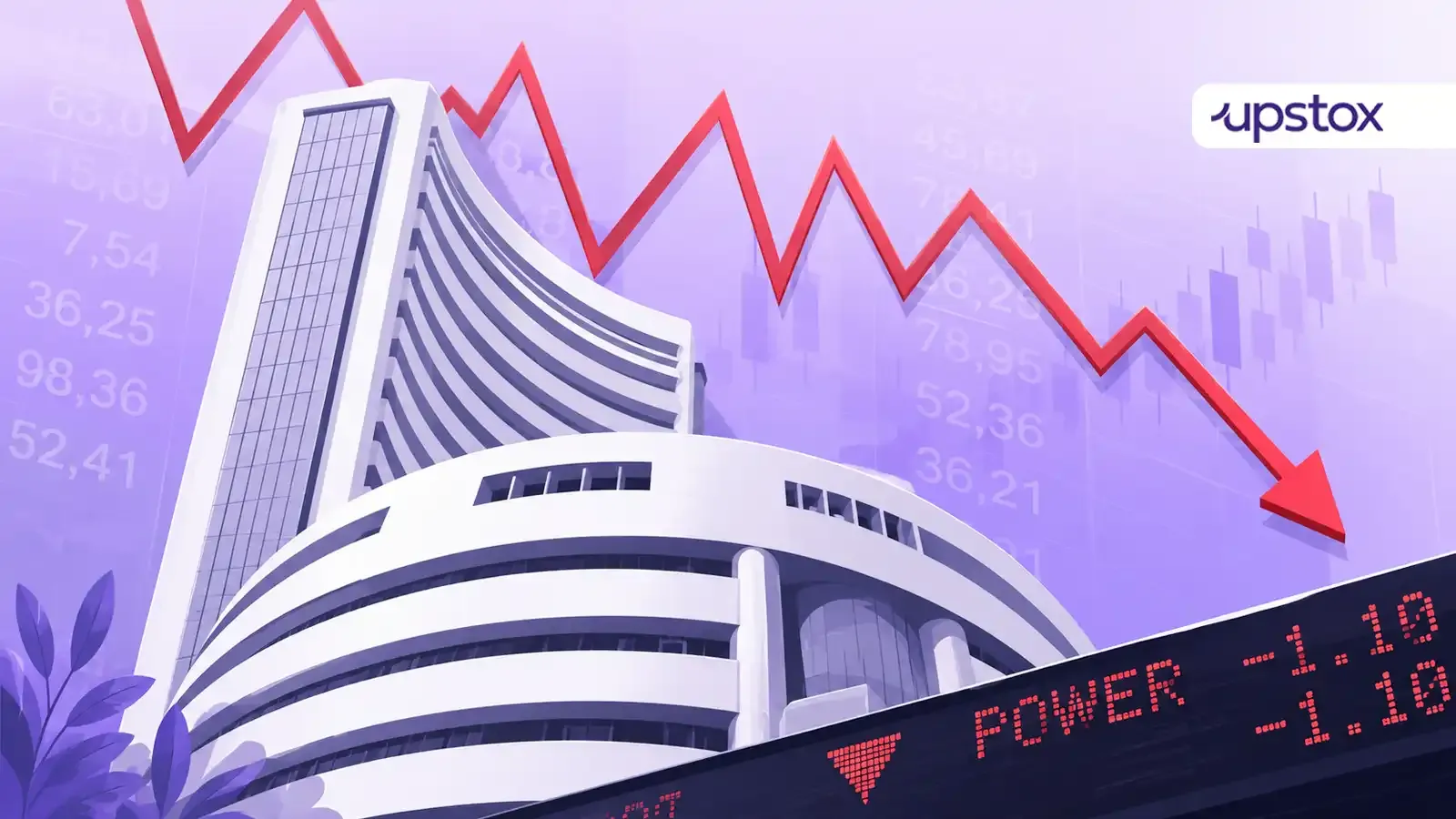
The Sensex and Nifty50 indices in India declined for the second straight session on September 29, 2026. The drop was driven by weak investor sentiment amid rising crude oil prices and increasing bond yields in the United States. Despite the early losses, the benchmarks recovered some ground in late noon trading due to value buying in key index stocks.
- Sensex fell 243 points to close at 72,529.
- Nifty50 declined 64 points to finish at 22,716.
- Early intraday lows saw Sensex drop as much as 707 points.
- Value buying in stocks like Adani Ports, Sun Pharma, Tata Steel, Kotak Mahindra Bank, and NTPC helped limit losses.
- Market activity was influenced by the upcoming monthly expiry of September futures and options contracts.
Why did the Sensex and Nifty50 decline on September 29?
The main reasons for the decline were a surge in crude oil prices and rising bond yields in the US. Higher crude prices increase costs for many companies and can reduce profit margins. Rising bond yields often lead investors to move money away from equities towards safer fixed-income assets. These factors combined to weaken investor confidence in the Indian stock market.
How much did the indices fall during the session?
The Sensex experienced a significant intraday drop, falling as much as 707 points at one point. However, it recovered some losses to close 243 points lower at 72,529. Similarly, the Nifty50 index touched an intraday low of 22,570 before recovering to close down 64 points at 22,716.
Which stocks helped the market recover late in the day?
Value buying in major index stocks helped the benchmarks regain some ground. Stocks such as Adani Ports, Sun Pharma, Tata Steel, Kotak Mahindra Bank, and NTPC saw increased buying interest. These companies are significant components of the indices, so their performance strongly influences overall market movement.
What role did the monthly futures and options expiry play?
The market was approaching the monthly expiry of September futures and options contracts. This event often leads to increased trading activity as investors adjust their positions. The expiry can cause volatility but also encourages value buying or selling to balance portfolios, which contributed to the late recovery in the indices.
What is the outlook for the market following these movements?
While the market showed resilience by recovering some losses, the overall weak sentiment due to external factors like crude prices and US bond yields remains a concern. Investors should watch these global economic indicators closely, as they will likely continue influencing market trends in the near term.
Frequently Asked Questions
Q: What caused the Sensex to fall by over 700 points during the session?
A: The fall was mainly due to rising crude oil prices and increasing bond yields in the US, which negatively affected investor sentiment.
Q: Which stocks helped the market recover later in the day?
A: Stocks such as Adani Ports, Sun Pharma, Tata Steel, Kotak Mahindra Bank, and NTPC saw value buying that helped limit the losses.
Q: How did the futures and options expiry affect the market?
A: The monthly expiry led to increased trading activity, causing volatility but also encouraging value buying that supported the late recovery.