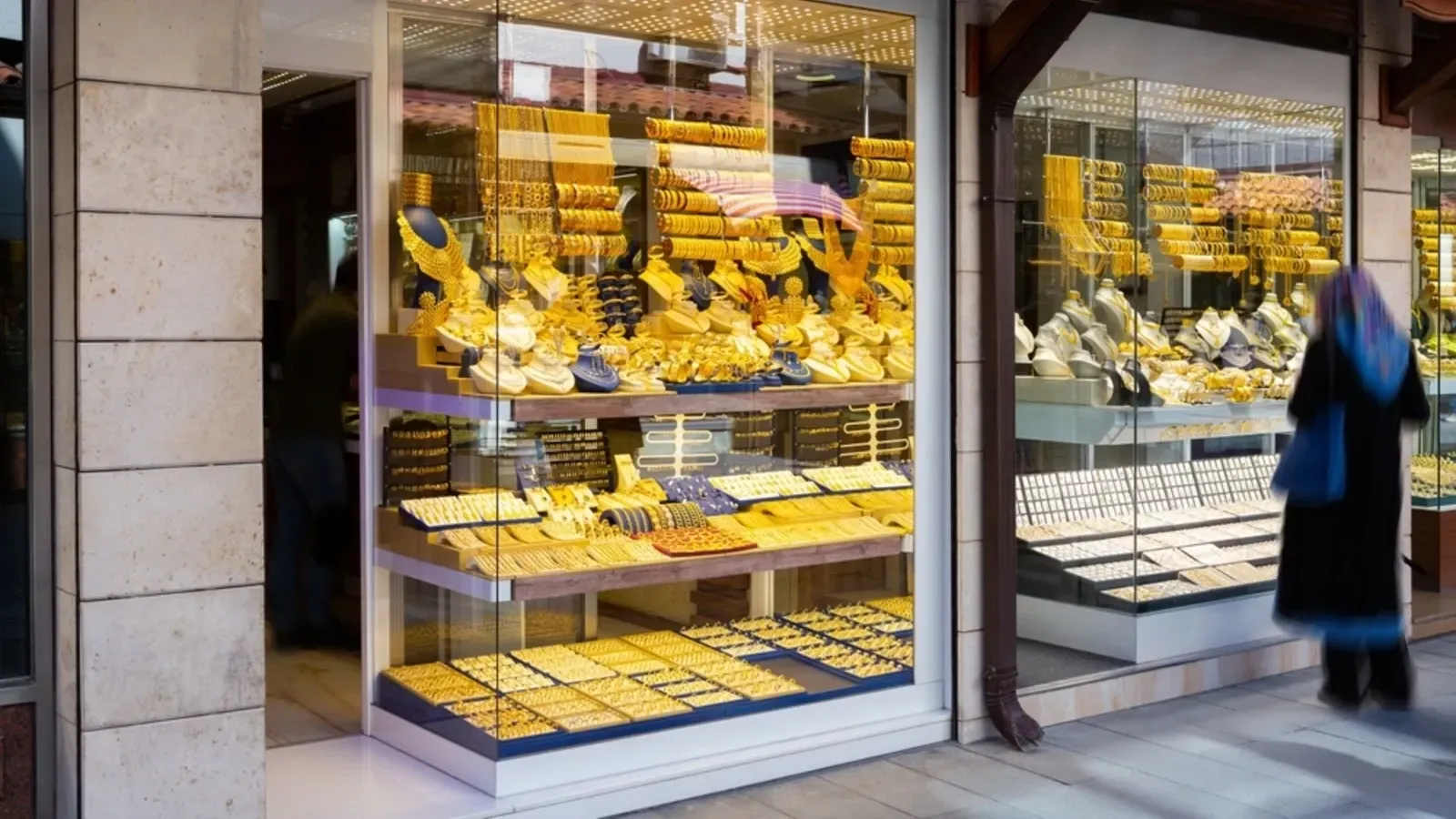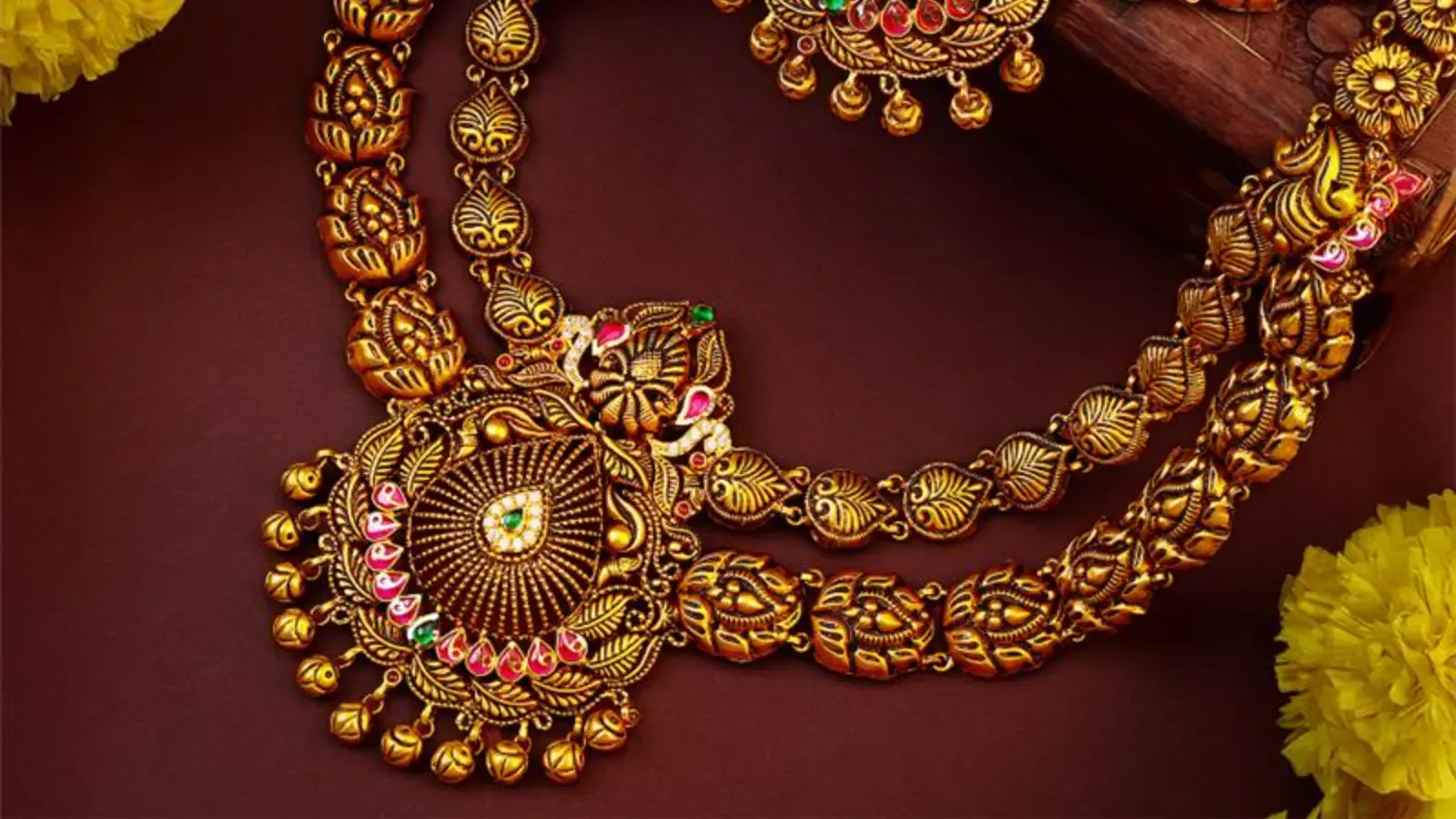
Why are jewellers in India selling more even though people are buying less gold jewellery? In the April–June quarter of 2026, Indians spent 34% more on jewellery compared to the previous year, but the actual quantity of gold purchased dropped by 15%. This means that while spending increased, the amount of gold bought was lower. This trend is due to higher gold prices and changing consumer preferences.
- Gold prices rose about 59% compared to last year, causing spending to increase despite lower volumes.
- Demand for gold bars, coins, and exchange-traded funds (ETFs) grew sharply, while jewellery volumes declined.
- More consumers are paying for new jewellery by exchanging old pieces, increasing sales revenue but lowering profit margins.
- Smaller jewellers face challenges due to higher inventory costs and limited access to finance.
- Larger jewellery chains are gaining market share by offering lighter and lower-carat gold options.
Why did jewellery spending increase while the quantity bought decreased?
The main reason is the rise in gold prices. Domestic gold prices increased by about 59% compared to the previous year. As a result, the same amount of money now buys fewer grams of gold. This means jewellers earn more revenue even though they sell less gold by weight.
Additionally, in mid-May 2026, customs duty on gold imports rose from 6% to 15%, keeping domestic gold prices high despite some global price easing.
Are Indians losing interest in gold jewellery?
No, Indians are still interested in gold, but the way they buy it is changing. While jewellery volumes fell by 17% in the first half of 2026, demand for gold bars, coins, and ETFs increased significantly. Overall gold demand in India grew slightly by 1.8% by volume.
Consumers are choosing lighter or lower-carat jewellery and buying less often. They are also increasingly using gold exchange schemes, where old jewellery is traded in to buy new pieces.
How does gold exchange affect jewellers?
Gold exchange schemes have become popular, with some retailers reporting that exchanges account for up to 70% of their sales. For example, Kalyan Jewellers reported that recycled gold made up over 46% of its revenue in April–June 2026, up from 30% the previous year.
However, gold exchange sales usually have lower profit margins than fresh gold sales. This has caused gross margins for some jewellers to fall. For instance, Kalyan Jewellers' gross margin dropped from 13.9% to 11.9% partly due to higher recycled gold sales.
What challenges do smaller jewellers face?
Smaller jewellers struggle because higher gold prices increase the cost of holding inventory. They also find it harder to raise working capital needed for gold exchange schemes. Larger jewellery chains have advantages such as better sourcing networks, easier access to finance, and a wider range of affordable gold options, helping them attract budget-conscious buyers.
How are larger jewellery chains performing?
Larger chains like Titan are growing their market share. In the April–June quarter of 2026, Titan's jewellery revenue in India grew by 38%, mainly due to higher average purchase amounts. The number of buyers increased by 5%, even though overall industry jewellery volumes fell by 15%, indicating Titan is gaining customers from competitors.
However, some of Titan's reported profit growth came from a one-time gain due to the customs duty hike increasing the value of gold inventory. Adjusted margins without this gain were lower.
What should we watch for this festive season?
During festivals like Dhanteras and the wedding season, jewellery sales often show record revenues. But much of this increase is due to higher gold prices rather than more gold being sold.
Key indicators to watch include the actual volume of gold sold, the number of buyers, how much sales rely on exchanged gold, and profit margins after removing one-time gains. These will reveal the true health of the jewellery market and whether larger jewellers continue to gain an edge.