India's manufacturing sector showed significant growth in September 2026, with the Purchasing Managers' Index (PMI) reaching a seven-month high of 55.1. This increase indicates a strong expansion in manufacturing activity driven by rising domestic and overseas demand.
- PMI rose from 52.8 in August to 55.1 in September, signaling growth.
- New business grew at the fastest pace since February 2026.
- Factory output expanded at its strongest rate in four months.
- Employment growth resumed with the fastest hiring pace since May.
- Business confidence reached a four-month high.
What does the PMI increase mean for India's manufacturing sector?
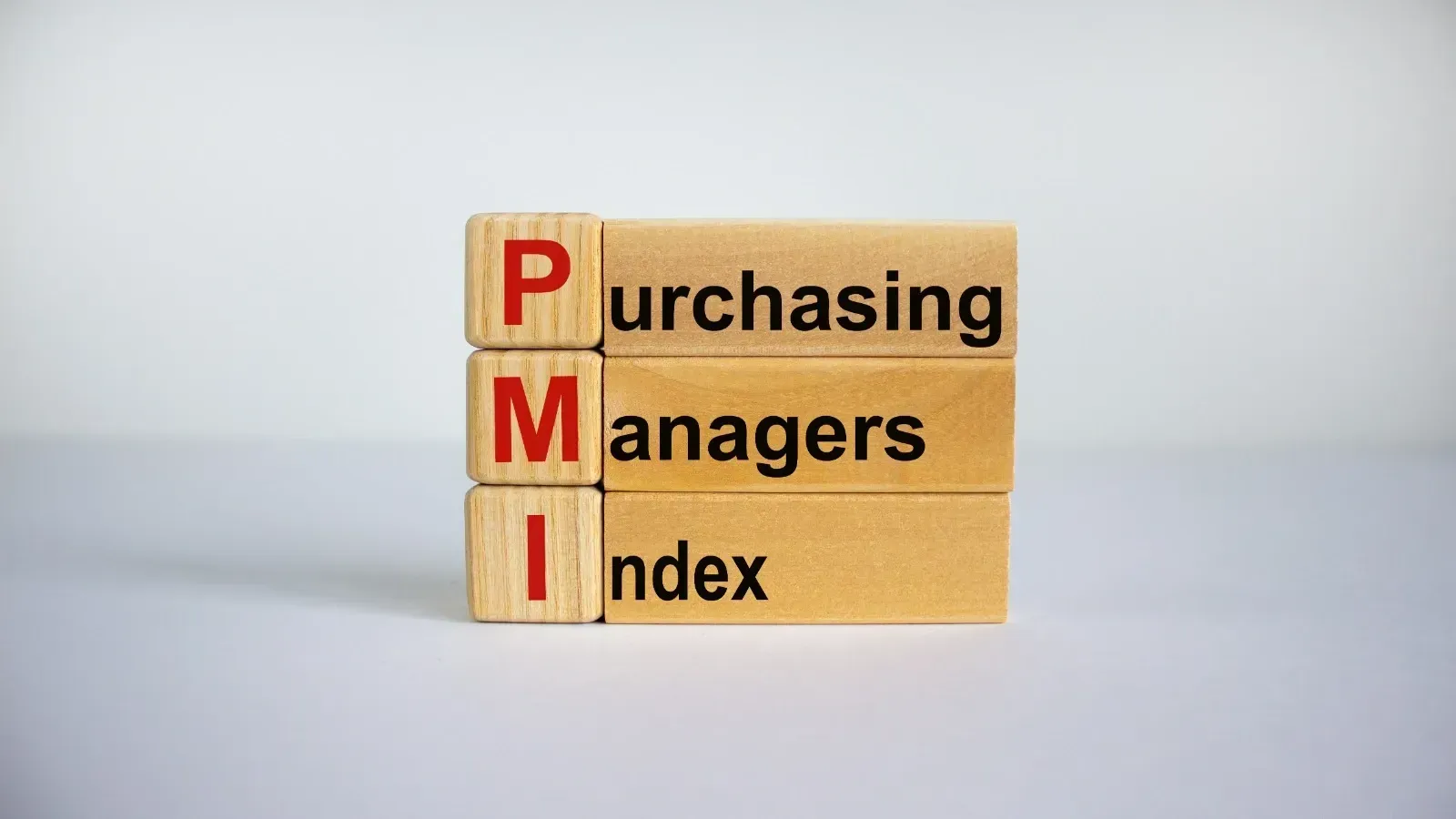
The HSBC India Manufacturing Purchasing Managers' Index, compiled by S&P Global, measures the health of the manufacturing sector. A PMI above 50 indicates expansion. The rise to 55.1 in September from 52.8 in August shows that manufacturing activity accelerated, reflecting stronger production and new orders.
Which industries contributed to the growth in new business?
Firmer demand for electronic, food, pharmaceutical, and textile products led to a sharper increase in new business during September. These sectors saw the fastest growth in new orders, supported by stronger domestic consumption and export demand.
How did exports impact manufacturing growth?
New export orders expanded at a quicker pace in September. Manufacturers reported stronger demand from clients in Brazil, Europe, the United Arab Emirates, and the United States. This international demand contributed significantly to the overall growth in manufacturing activity.
What changes occurred in factory output and employment?
Factory output recorded its strongest expansion in four months, reflecting the increased new orders. Employment growth resumed after a decline in August, with the pace of hiring being the fastest since May. Manufacturers also increased their purchases of materials to support higher production.
How are manufacturers preparing for future demand?
Companies built up stocks of purchases at the fastest pace in seven months, well above the long-run average. Finished goods inventories increased for the third consecutive month, marking the second-fastest accumulation rate in nearly 11.5 years. This stockpiling indicates manufacturers' optimism about higher future sales.
What is the outlook for the manufacturing sector?
Business confidence rose to a four-month high in September. Manufacturers expressed optimism about the months ahead, supported by increased hiring and inventory buildup. However, input costs for electronic components, pharmaceuticals, and steel rose, pushing up overall input costs, though inflation remained below long-term averages. Selling prices also increased modestly.
What do experts say about this growth?
Pranjul Bhandari, chief India economist at HSBC, noted that India's factory sector ended the quarter on a firmer footing. He highlighted the resumption of hiring at its fastest pace since May and the increased optimism among manufacturers. Companies are preparing for higher production and sales by buying more materials and building up stocks.
How does this quarter compare to previous periods?
Despite the September rebound, the average manufacturing PMI for the second fiscal quarter stood at 53.8, the lowest since the same period in 2021. This suggests that while recent growth is strong, the overall quarter showed moderate expansion.