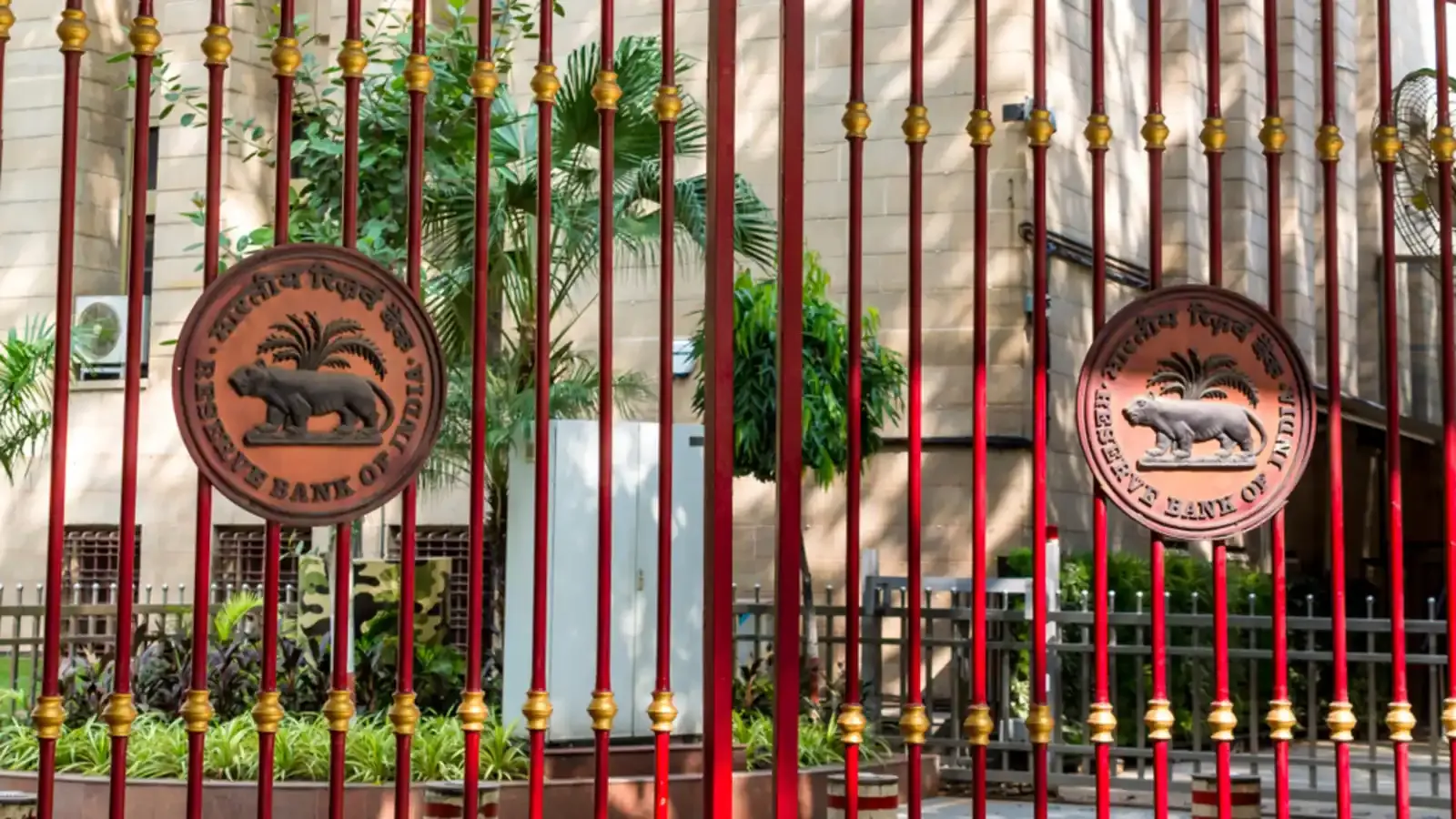
The Reserve Bank of India (RBI) Monetary Policy Committee (MPC) is meeting from October 5 to October 7, 2026, to decide on the repo rate amid rising inflation and high crude oil prices. Experts expect a 25 basis points (bps) increase, which could affect loans, fixed deposits, and investments.
- The RBI may raise the repo rate from 5.25% to 5.50%.
- Borrowers with floating-rate loans might face higher EMIs or longer tenures.
- Fixed deposit rates could increase, benefiting new savers.
- Fixed-income investors may see better yields but falling bond prices.
- The RBI’s decision signals the next phase of the interest rate cycle.
What is the RBI repo rate and why does it matter?
The repo rate is the interest rate at which the RBI lends money to commercial banks. It influences the overall cost and availability of money in the economy. Although consumers do not directly pay the repo rate, changes affect loan interest rates, deposit rates, and investment returns.
Why is the RBI considering a rate hike now?
Inflation has been rising, driven by higher food prices and crude oil costs. Global central banks are also increasing rates. India’s economy remains strong, giving the RBI room to focus on controlling inflation by possibly raising the repo rate for the first time since February 2023.
How will a 25 bps repo rate hike affect borrowers?
Borrowers with floating-rate loans linked to external benchmarks may see their interest rates increase. This can lead to higher EMIs or longer loan tenures. The immediate impact of a 25 bps hike is usually small but could grow if rates stay high or rise further.
Borrowers with older loans linked to the Marginal Cost of Funds based Lending Rate (MCLR) might consider switching lenders if better rates are available.
What does a rate hike mean for fixed deposit savers?
Higher repo rates often lead banks to raise fixed deposit interest rates, making new deposits more attractive. However, existing fixed deposits keep their original rates until maturity. Savers should compare rates, tenure, and withdrawal rules before investing.
How are fixed-income investors affected by a rate increase?
New investments in debt instruments may offer higher yields when interest rates rise. However, prices of existing bonds may fall. Investors might prefer short-duration or ultra-short-term debt products to reduce risk and benefit from higher accruals.
What should borrowers and savers do now?
Borrowers should assess their ability to handle higher EMIs or longer tenures and compare loan costs carefully before borrowing. Savers should review fixed deposit options when renewing or making new deposits, considering liquidity needs and potential future rate changes.
Frequently Asked Questions
Q: When will the RBI announce the repo rate decision?
A: The RBI MPC will announce its decision on October 7, 2026, after the meeting from October 5 to 7.
Q: How much is the expected repo rate hike?
A: Economists and research houses expect a 25 basis points increase, raising the repo rate from 5.25% to 5.50%.
Q: Will my existing fixed deposit interest rate change if the repo rate rises?
A: No, existing fixed deposits keep their interest rates until maturity. Higher rates benefit new or renewed deposits.
Q: How soon will loan EMIs increase after a repo rate hike?
A: It depends on the loan type and lender. Floating-rate loans linked to external benchmarks may see changes in EMIs within a few months.
Q: Should I switch my loan if rates rise?
A: Borrowers with older MCLR-linked loans may consider switching if better rates are available to reduce borrowing costs.
Source: Reserve Bank of India MPC meeting coverage, October 2026.