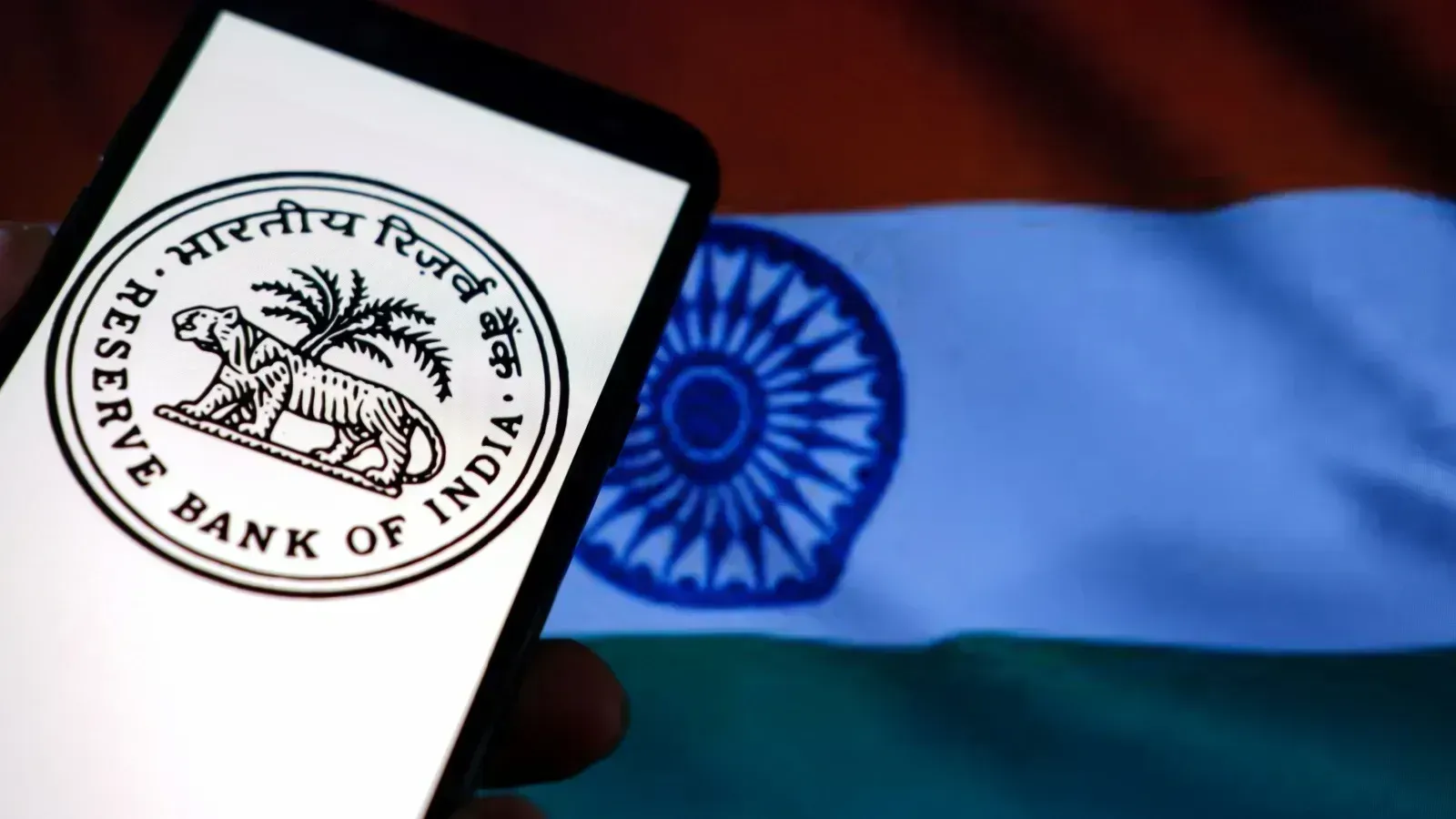
The Reserve Bank of India (RBI) is holding its Monetary Policy Committee (MPC) meeting from October 5 to October 7, 2026. The main question is whether the RBI will raise interest rates or keep them steady. This meeting is important because it could mark the first rate hike since February 2023, when the repo rate was increased to 6.50%. Currently, the repo rate stands at 5.25% after a period of easing.
- RBI’s MPC meeting runs from October 5 to 7, 2026.
- Experts expect a 25 basis point rate hike due to rising inflation.
- Inflation in India reached 4.82% in August 2026, above the RBI’s 4% target.
- Global inflation and energy prices are influencing RBI’s decision.
- Some economists suggest the RBI may hold rates if inflation is not demand-driven.
Why is the RBI considering a rate hike now?
India’s retail inflation rose to 4.82% in August 2026, surpassing the RBI’s target of 4% for the third month in a row. Inflation is expected to climb even higher, possibly reaching 6.5% in October and November before easing in early 2027. Rising inflation pressures, combined with global economic challenges and higher energy prices, have prompted economists and bankers to predict a rate increase.
What has the RBI’s interest rate policy been recently?
The RBI last raised the repo rate in February 2023 by 0.25%, bringing it to 6.50%. After that, the central bank kept rates unchanged throughout 2023-24 and began easing rates in 2025, lowering the repo rate to 5.25%. A rate hike now would reverse this easing trend.
How are global factors affecting RBI’s decision?
Central banks worldwide, including those in the US, Japan, and Europe, have raised interest rates recently to combat inflation. Higher global energy prices and a stronger US dollar have also put pressure on India’s economy. These factors increase the risk of inflation in India, influencing the RBI to consider tightening monetary policy.
Are all experts agreeing on a rate hike?
While many economists expect a 25 basis point hike, some believe the RBI might hold rates steady. For example, some experts argue that there is no clear sign of demand-driven inflation or an overheating economy yet. However, if inflationary pressures continue, further rate hikes could follow.
What are the expected impacts of a rate hike?
A rate increase would help keep real interest rates positive, which means the returns on savings and investments would outpace inflation. It could also help control inflation by making borrowing more expensive, thus slowing down spending. However, it may also increase loan costs for businesses and consumers.
What is the RBI’s inflation forecast?
The RBI had projected inflation at 5% for the fiscal year 2026-27. Due to rising crude oil prices and broader price pressures, economists expect the RBI to revise this forecast upward. Inflation is projected to be higher in the third and fourth quarters of 2026-27, with some experts expecting a mild upward revision of 10 basis points.
What should students understand about this policy review?
The RBI’s decision on interest rates affects the entire economy, including prices, loans, and savings. Understanding why the RBI might raise or hold rates helps students grasp how inflation and global events influence economic policies. This knowledge is useful for learning about money management and economic planning.