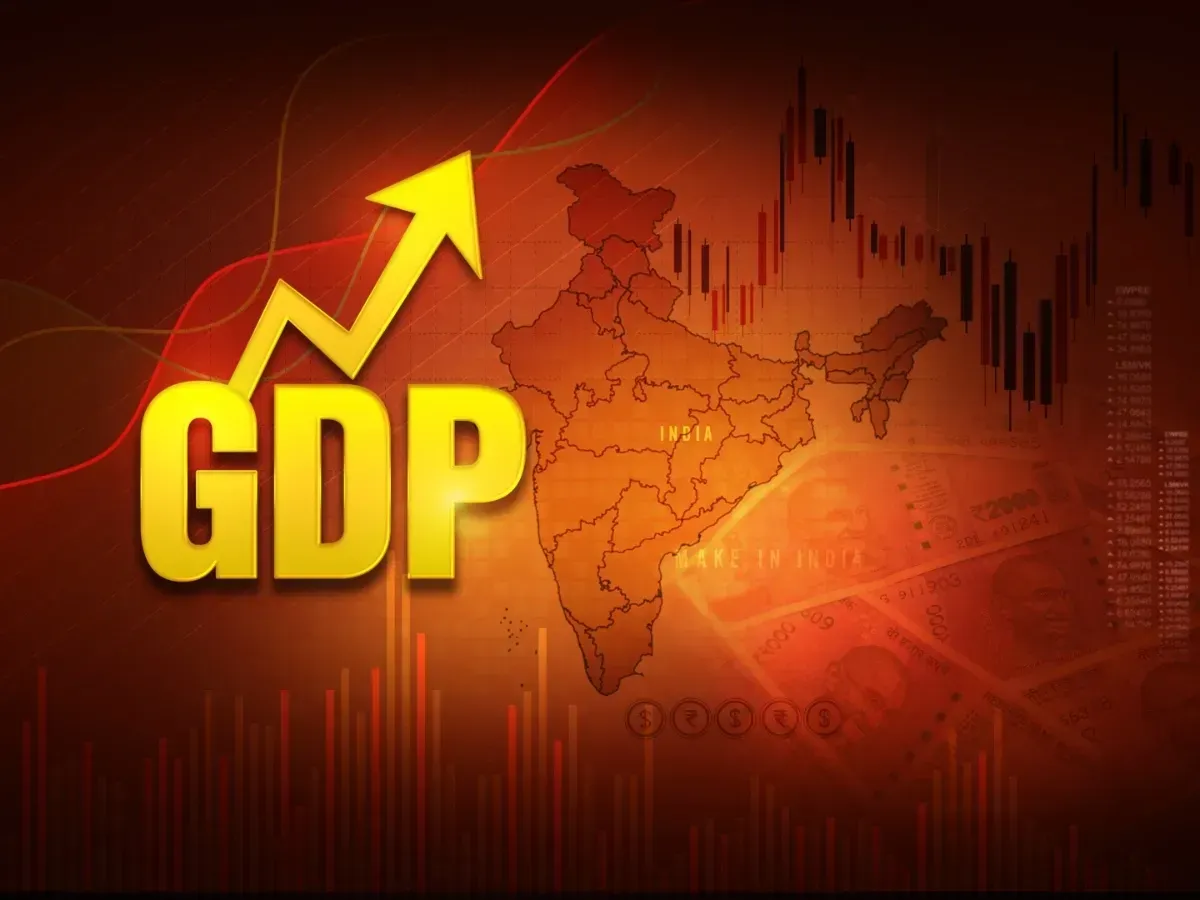
The World Bank has raised its forecast for India's economic growth in the fiscal year 2026-27 to 7.1%. This increase reflects strong activity in the industrial and services sectors, along with the positive effects of ongoing structural reforms. Despite this optimistic outlook, the report warns that a weaker monsoon could negatively affect agricultural output and rural demand, which may also contribute to higher food inflation.
- India's economy grew by 7.8% in fiscal year 2025-26.
- The World Bank increased the FY27 growth forecast by 0.5 percentage points to 7.1%.
- Growth is expected to reach 7.8% in 2025-26 and 7.2% in 2027-28.
- Structural reforms and investments support strong growth potential.
- A weaker monsoon poses risks to agriculture and rural demand.
Why did the World Bank raise India's growth forecast for FY27?
The World Bank raised India's growth forecast to 7.1% for the fiscal year 2026-27 due to continued strength in the industrial and services sectors. The report highlights the positive impact of major structural reforms, such as the consolidation of labour codes, Goods and Services Tax (GST) reforms, tariff rationalisation, the Insolvency Act, and investments in both physical and digital infrastructure. These factors contribute to India's strong growth potential despite some challenges.
How did India’s economy perform in recent years?
India's economy grew by 7.8% in the fiscal year 2025-26, showing robust expansion. The World Bank's South Asia Economic Update projects growth of 7.8% for 2025-26, up from 7.2% in 2024-25. It expects growth to slightly increase to 7.2% in 2027-28. These figures indicate steady economic progress supported by reforms and sectoral strength.
What risks does a weaker monsoon pose to India’s economy?
The World Bank report warns that a larger-than-expected monsoon deficit could hurt agricultural output and rural demand. Since agriculture is a significant part of India's economy and rural consumption drives demand for many goods and services, reduced rainfall may lead to lower crop yields and diminished income for rural households. This situation could also contribute to rising food inflation, affecting the overall economy.
What structural reforms are supporting India’s growth?
Several key reforms are helping to sustain India's economic growth. These include:
- Consolidation of labour codes to simplify regulations.
- Reforms in the Goods and Services Tax (GST) system to improve tax efficiency.
- Tariff rationalisation to promote trade.
- The Insolvency Act to improve the business environment.
- Investments in infrastructure, both physical (roads, ports) and digital (internet connectivity).
These reforms enhance productivity and attract investment, supporting long-term growth.
How will the economy balance agricultural weakness?
The World Bank expects that strength in other parts of the economy, particularly industry and services, will compensate for any weakness in agriculture caused by the monsoon deficit. This balance helps maintain overall economic growth despite challenges in the agricultural sector.