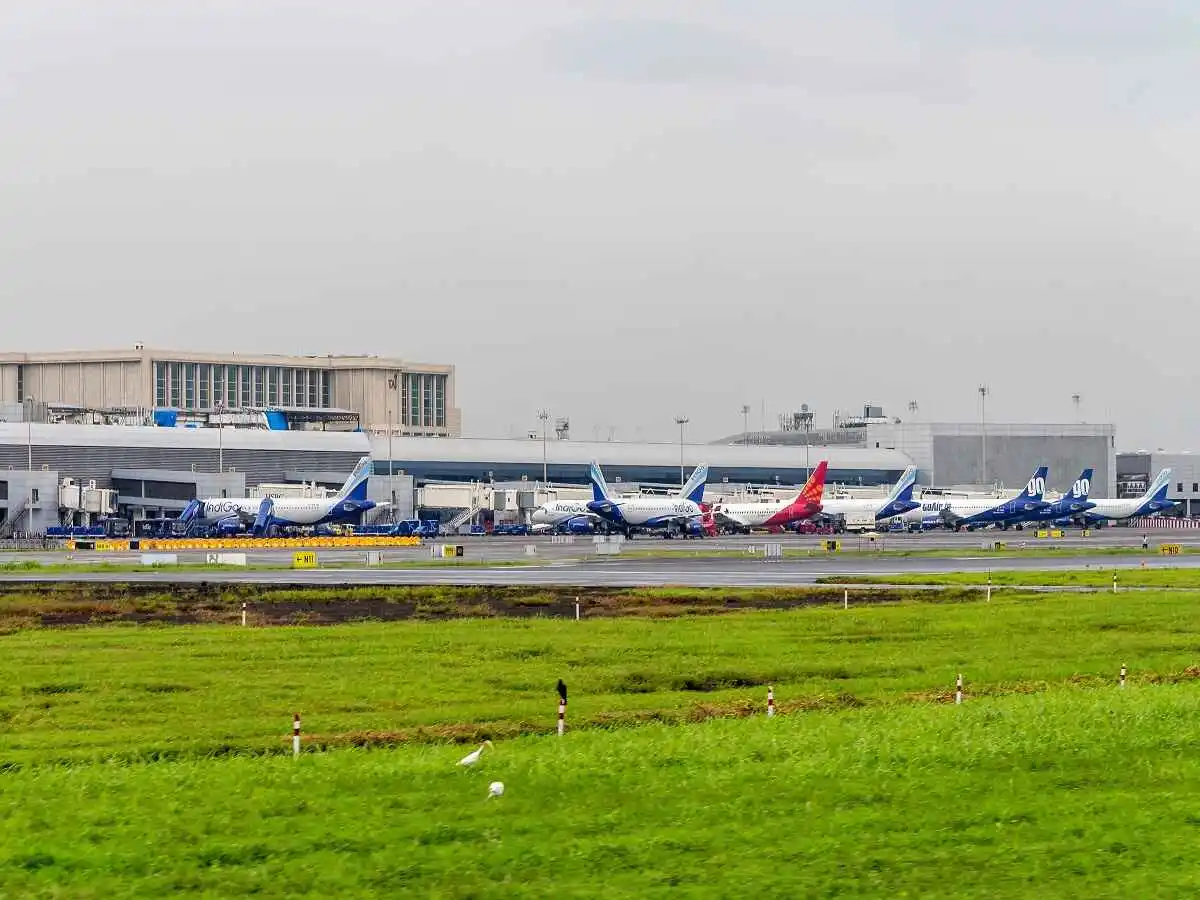
Jet fuel prices have risen steadily for three months, impacting IndiGo's operating costs and leading to higher fares and fuel surcharges. This increase poses significant challenges for IndiGo, India's largest domestic airline, as it tries to balance rising expenses with passenger demand.
- Jet fuel prices increased by 13.2% from ₹121 to ₹137 per litre.
- IndiGo raised its fuel surcharge by ₹100, now up to ₹350 on domestic flights.
- Fuel costs make up about 40% of an airline's operating expenses.
- In the June quarter, IndiGo's fuel expenses rose 85.7% to ₹10,833 crore.
- Despite fare increases, IndiGo recovered only 57% of the additional fuel costs.
- IndiGo's market share and passenger traffic have declined recently.
Why have jet fuel prices risen recently?
Oil companies raised domestic jet fuel prices from ₹121 to ₹137 per litre, marking the third consecutive monthly increase. This hike reflects global trends, including a roughly 50% rise in Brent crude oil prices and a 120% increase in Singapore jet fuel prices. Additionally, the Indian rupee has weakened against the US dollar, increasing costs for fuel and aircraft-related expenses paid in dollars.
How has IndiGo responded to rising fuel costs?
IndiGo increased its fuel surcharge by ₹100 starting October 6, 2026, bringing the total surcharge to ₹350 on domestic flights, depending on distance. The airline also raised ticket fares, resulting in a 21.3% increase in passenger yield during the June quarter. However, these measures recovered only about 57% of the increased fuel costs when measured per available seat-kilometre.
What challenges is IndiGo currently facing?
Besides elevated fuel prices, IndiGo is experiencing a dip in market share and a slowdown in overall passenger traffic. In August 2026, domestic airlines carried 6.34% fewer passengers compared to the previous year, and IndiGo's market share declined within this shrinking market. These factors create pressure on the airline's profitability despite its dominant position.
Can IndiGo overcome these challenges?
IndiGo's strong balance sheet and the expected increase in festive travel during Diwali and Chhath may help the airline navigate this difficult period. The stock market has treated the fuel price shock as temporary, with IndiGo's share price remaining relatively stable compared to broader market declines. However, the situation requires close monitoring as future quarters will reveal whether IndiGo can sustain its pricing strategy and maintain profitability.
What should passengers expect?
Passengers booking flights during this period will notice higher fares and fuel surcharges. While these increases help IndiGo manage rising costs, they may also influence travel decisions. Airlines cannot delay passing on fuel cost increases indefinitely, so fare adjustments are likely to continue if fuel prices remain high.
Frequently Asked Questions
Q: Why is jet fuel so important to airlines?
A: Jet fuel accounts for about 40% of an airline's operating costs, so price changes significantly affect profitability.
Q: How does IndiGo set its fuel surcharge?
A: IndiGo adjusts its fuel surcharge based on monthly changes in jet fuel prices, passing some of the increased costs to passengers.
Q: Will higher fares reduce passenger numbers?
A: Higher fares can lead to reduced demand, as seen in the recent decline in passenger traffic, but festive travel periods may offset this effect temporarily.