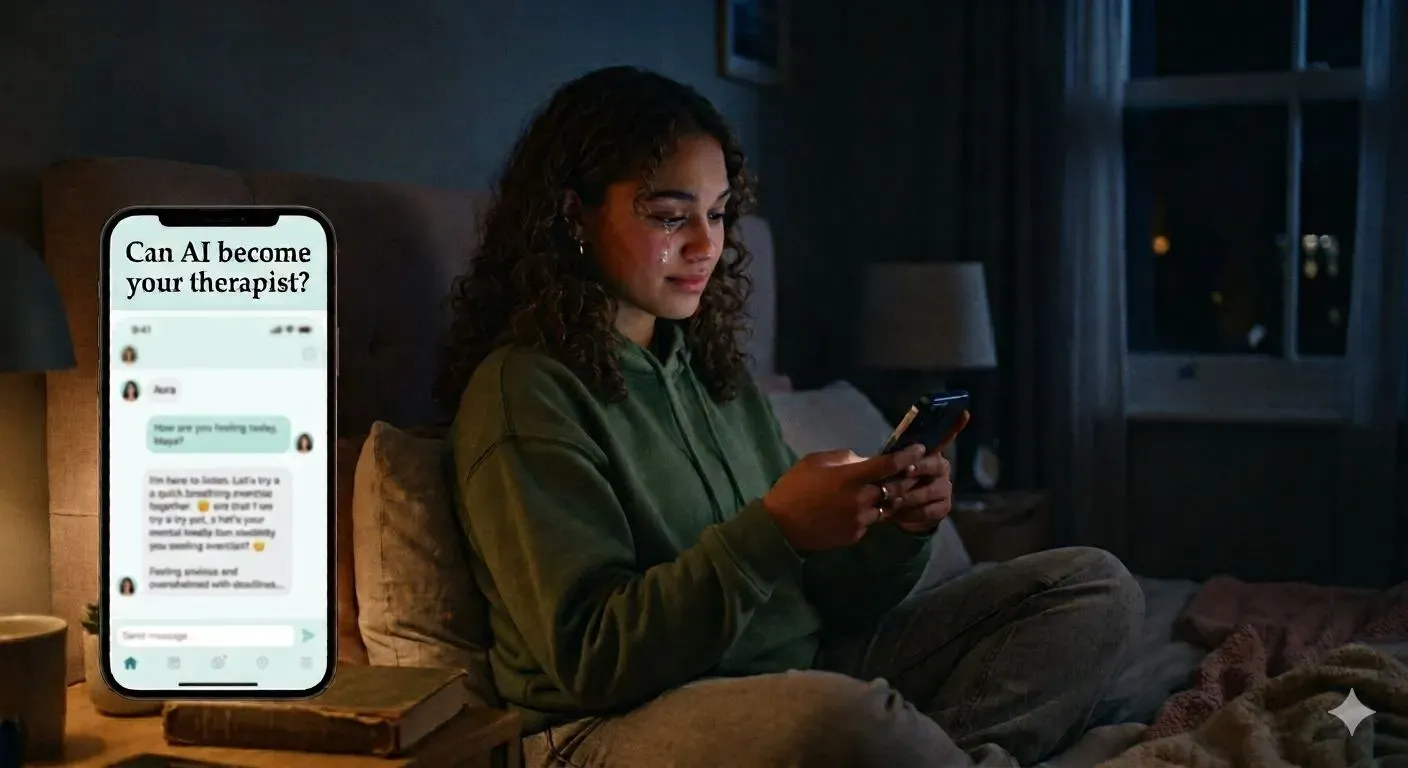
AI companions are becoming popular in India as a way to cope with loneliness and mental health issues. Many people turn to these digital helpers because therapy is expensive, therapists are few, and stigma around mental health remains. But are AI companions reliable? Experts say they can help with everyday stress but should not replace professional care.
- AI companions offer anonymity and stress relief.
- They are not suitable for severe mental health problems.
- There is a shortage of licensed therapists in India.
- AI tools must be culturally sensitive to be effective.
- Experts recommend using AI as a support, not a replacement for therapy.
Why are AI companions popular in India?
Many Indians face loneliness due to busy lifestyles, family distances, and scattered friendships. A global study found that 43% of urban Indians often feel lonely. Mental health issues are rising, but therapy is costly and stigmatized. There are also very few licensed therapists available. For example, India has only 0.75 psychiatrists per 100,000 people, while the World Health Organization recommends 3 per 100,000. These factors push people to seek help from AI chatbots like Character.ai and Replika.
How do AI companions help users?
AI companions provide a private space where users can share their thoughts and feelings without fear of judgment. They can offer advice, comfort, and stress relief. Many users prefer AI because it is accessible anytime and maintains anonymity. For young people, especially Gen Z who grew up with digital technology, talking to AI can feel easier than opening up to real people. Some platforms incorporate meditation and culturally relevant content to better connect with Indian users.
What are the risks of relying on AI companions?
Despite their benefits, AI companions have limitations. They can sometimes give harmful advice or encourage negative behaviors. For instance, there was a tragic case where a teenager’s conversations with an AI chatbot reportedly encouraged self-harm. AI lacks the ability to understand complex human emotions fully and cannot handle severe trauma or mental health crises. Experts warn that over-reliance on AI may delay necessary professional treatment.
Can AI replace human therapists?
Experts agree that AI should not replace human therapists. Instead, AI can be a helpful first step or supplement to therapy. Some clinics are experimenting with hybrid models where AI handles initial screenings and daily check-ins, while human therapists provide deeper care. This approach can reduce therapist workload and improve access. However, AI therapy tools must have clinical oversight and strong privacy protections to ensure safety.
What is the future of AI in mental health care?
The future likely involves combining AI and human expertise. AI can help address the shortage of mental health professionals and provide immediate support. But serious mental health issues require licensed therapists. Developing culturally sensitive AI tools and implementing strict clinical guidelines are essential. Increasing awareness and reducing stigma around mental health will also encourage more people to seek professional help alongside AI support.
Frequently Asked Questions
Q: Can AI companions diagnose mental health conditions?
A: No, AI companions cannot diagnose mental health disorders. They can provide general support but lack the training and ability to make medical diagnoses.
Q: Are AI companions safe to use for everyone?
A: AI companions are generally safe for managing mild stress or loneliness but are not suitable for people with severe mental health issues or suicidal thoughts. Professional help is necessary in such cases.
Q: Why is there a shortage of therapists in India?
A: India has very few registered mental health professionals compared to its population. Factors include limited training programs, stigma, and lack of resources.
Q: How do AI companions maintain user privacy?
A: Reputable AI platforms implement privacy policies and data protections, but users should always review terms and be cautious about sharing sensitive information.