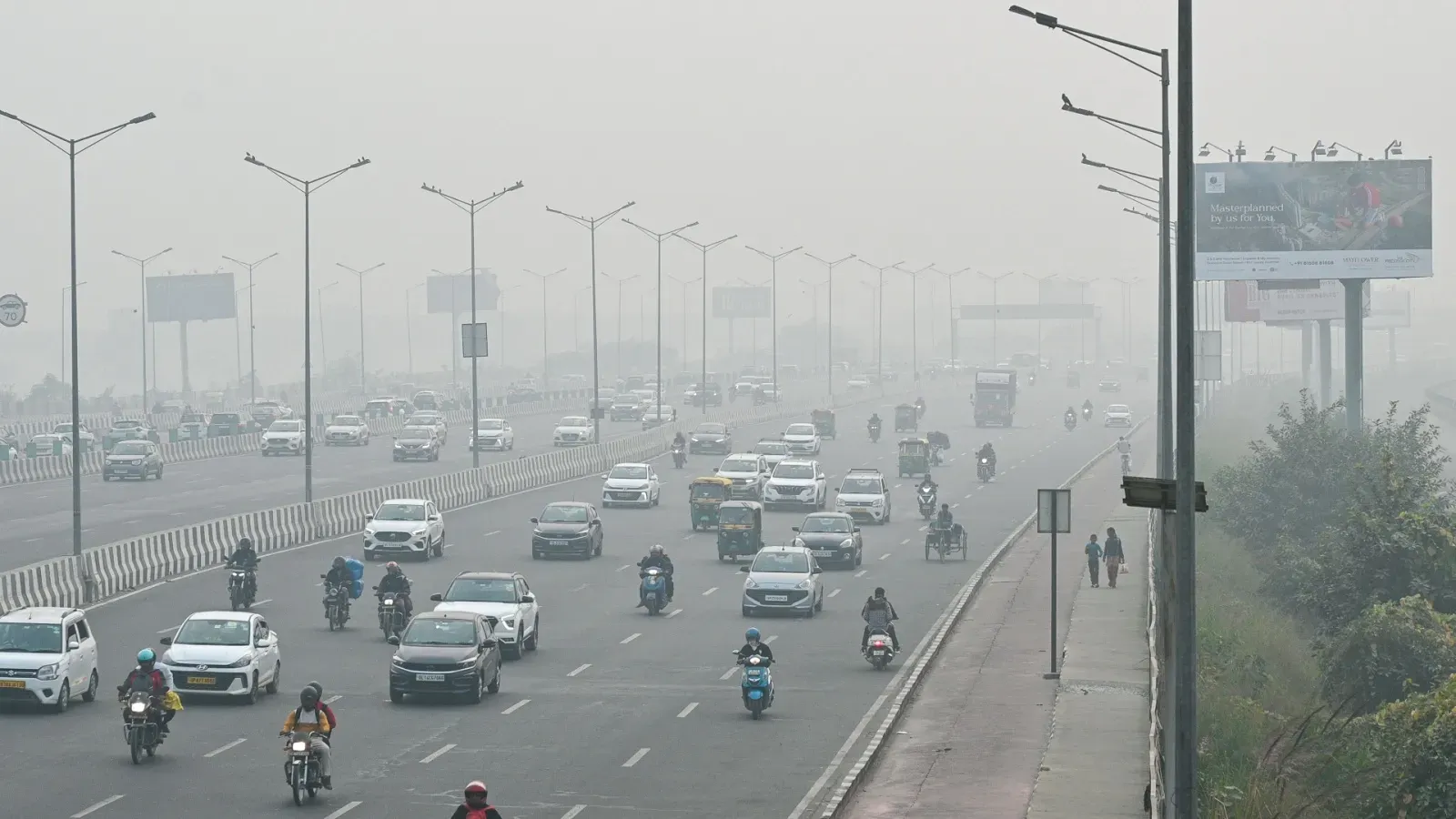
The Commission for Air Quality Management (CAQM) has introduced a new surveillance plan requiring industries across the Delhi-National Capital Region (NCR) to install additional Pan-Tilt-Zoom (PTZ) cameras. This plan aims to monitor fuel use in real time and curb the use of unapproved fuels, which contribute to worsening air pollution, especially in the winter months.
- Industries must install PTZ cameras covering fuel storage and fuel charging points by October 31, 2026.
- Gas-based fuel industries must also capture fuel gauge or meter readings on camera.
- Real-time video feeds will be streamed to the Central Pollution Control Board (CPCB) and state pollution control boards or the Delhi Pollution Control Committee (DPCC).
- Industries must ensure power backup and connectivity for uninterrupted monitoring.
- CPCB and SPCBs/DPCC will develop portals to receive and monitor video feeds.
- CAQM’s flying squads found industries using unapproved fuels during secret inspections.
- The new system strengthens compliance through remote monitoring and self-regulation.
Why has CAQM mandated additional PTZ cameras for industries?
CAQM’s flying squads discovered that some industries in the Delhi-NCR region were using unapproved fuels during incognito inspections. Using such fuels increases harmful emissions, worsening air pollution. To tackle this, CAQM has mandated the installation of additional PTZ cameras to enable continuous, real-time monitoring of fuel usage. This measure is especially important as pollution levels tend to rise during the winter months.
What areas must the new cameras cover?
The additional PTZ cameras must cover all fuel storage areas and fuel charging points within industrial units. For industries using gas-based fuels, the cameras must also capture the fuel gauge or meter readings. This comprehensive coverage ensures that fuel consumption is closely monitored to prevent the use of unapproved fuels.
How will the monitoring system work?
The video feeds from the PTZ cameras will be streamed live to the servers of the Central Pollution Control Board (CPCB) and the respective state pollution control boards or the Delhi Pollution Control Committee (DPCC). Industries are required to maintain adequate power backup and ensure reliable connectivity to avoid interruptions in monitoring. The CPCB and other boards will develop the necessary portals and infrastructure to receive and analyze these real-time feeds.
What are the deadlines and compliance requirements?
Industries must complete the installation of the additional PTZ cameras by October 31, 2026. The concerned pollution control boards will submit reports on the implementation status to CAQM by November 1, 2026. This timeline ensures swift action to improve air quality before the peak pollution season.
How does this plan build on previous measures?
Previously, the CPCB had directed industries to install PTZ cameras alongside Online Continuous Emission Monitoring Systems (OCEMS). These cameras monitored specific areas such as OCEMS port-holes, flue gas emissions, fume extraction systems, and furnace feeding zones in various industries. The new expanded monitoring system covers fuel use more broadly, enhancing vigilance and compliance through remote monitoring and encouraging self-regulation by industries.
What is the expected impact of this surveillance plan?
By enforcing real-time video monitoring of fuel consumption, CAQM aims to reduce the use of unapproved fuels that contribute to air pollution. This increased transparency and oversight will help industries comply with environmental regulations, ultimately improving air quality in the Delhi-NCR region, especially during the critical winter months when pollution levels are typically high.