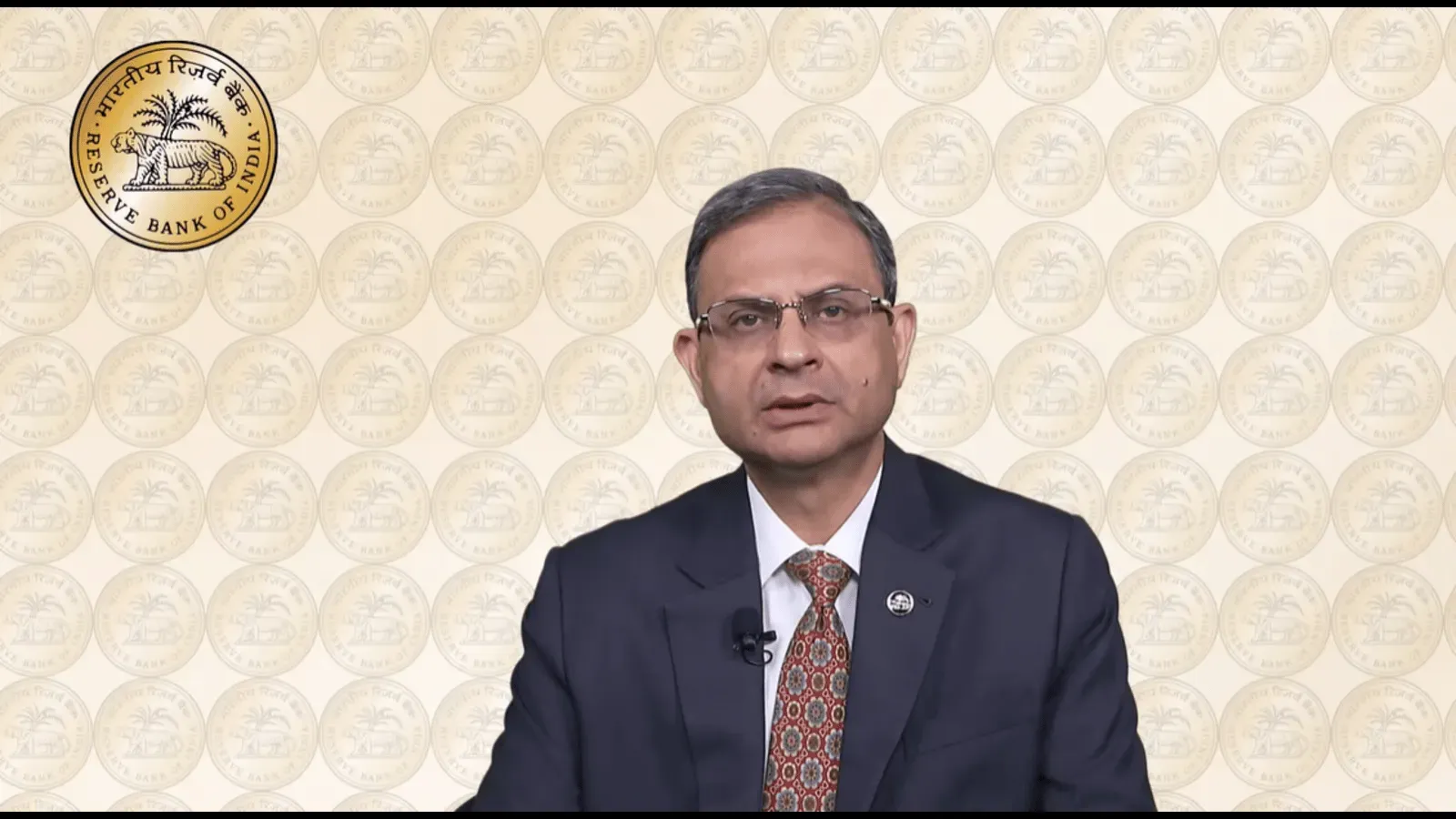
On October 7, the Indian rupee weakened to 96.62 against the US dollar, reflecting increased demand for the greenback and global market uncertainties. This decline coincided with the Reserve Bank of India's (RBI) decision to raise its key interest rate to 5.5% during its October monetary policy meeting.
- The rupee fell to its day's low of 96.62 against the US dollar.
- RBI increased interest rates by 25 basis points to 5.5% from 5.25%.
- The central bank shifted its stance from "neutral" to "calibrated tightening."
- Rupee has weakened over 4% against the dollar in six months amid geopolitical tensions.
- Global investors prefer the US dollar as a safe-haven amid market uncertainty.
Why did the Indian rupee weaken against the US dollar?
The rupee's decline to 96.62 against the US dollar was mainly due to increased demand for the greenback in global markets. Geopolitical tensions, especially in West Asia, have created uncertainty, prompting investors to seek safe-haven assets like the US dollar. This shift reduces demand for emerging market currencies such as the Indian rupee.
What changes did the RBI announce in its October policy meeting?
The Reserve Bank of India raised its key interest rate by 25 basis points, bringing it to 5.5% from the previous 5.25%. This is the first rate hike since February 2023. Additionally, the RBI changed its monetary policy stance from "neutral" to "calibrated tightening" to address rising inflation concerns.
How does the interest rate hike affect the economy?
Increasing the interest rate makes borrowing more expensive, which can reduce spending and investment. This helps to control inflation, which has been above the RBI's target of 4%. However, higher rates can also slow economic growth if borrowing decreases significantly.
How has the rupee performed against the US dollar recently?
Over the past six months, the rupee has weakened by more than 4% against the US dollar. In the last three months, it fell by 1.7%, and in the last month alone, it declined by 2.2%. This trend reflects ongoing global uncertainties and increased demand for the dollar.
What is the current status of the US dollar in global markets?
The US dollar spot index rose by 0.24% on October 7, reaching 102.07. This increase indicates stronger demand for the dollar amid global market uncertainty and geopolitical risks.
Frequently Asked Questions
Q: Why does geopolitical tension affect currency values?
A: Geopolitical tensions create uncertainty, leading investors to prefer safe assets like the US dollar. This reduces demand for other currencies, causing them to weaken.
Q: What does "calibrated tightening" mean in monetary policy?
A: It means the central bank plans to increase interest rates gradually to control inflation without harming economic growth too much.
Q: How does a weaker rupee impact everyday consumers?
A: A weaker rupee can make imported goods more expensive, potentially increasing prices for consumers. It can also affect travel costs and foreign education expenses.