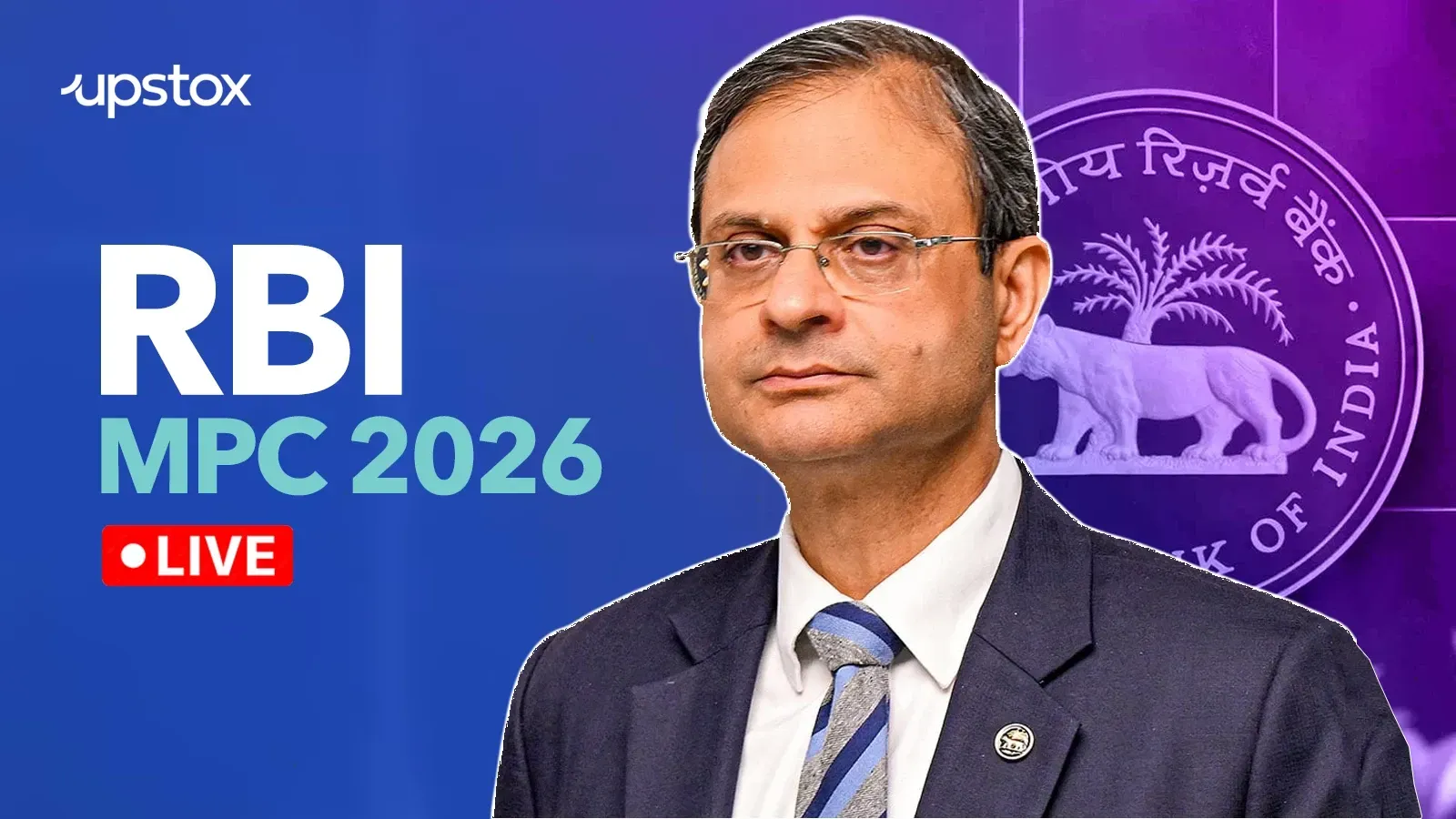
The Reserve Bank of India (RBI) raised its key repo rate by 25 basis points to 5.5% on October 7, 2026. This decision marks the first rate hike since February 2023 and responds to growing inflation concerns in the Indian economy.
- The repo rate increased by 25 basis points to 5.5%.
- The RBI shifted its policy stance to "calibrated tightening" from "neutral."
- Inflation is projected to rise to 6% in the third quarter of FY27.
- Economic growth remains strong with a 7.8% GDP increase in Q1 FY27.
- Future rate changes depend on inflation and growth developments.
What is the RBI's repo rate and why was it increased?
The repo rate is the interest rate at which banks borrow money from the RBI. Increasing this rate makes borrowing more expensive, which can help reduce inflation by slowing down spending. The RBI raised the repo rate by 25 basis points to 5.5% to counter rising inflation pressures caused by higher energy costs, food prices, and global economic challenges.
What does "calibrated tightening" mean in RBI's policy stance?
"Calibrated tightening" means the RBI is prepared to raise interest rates or keep them steady but will not cut rates in the near future. This approach reflects caution due to inflation risks while allowing flexibility depending on economic conditions.
How is inflation expected to change in the coming months?
The RBI expects consumer price index (CPI) inflation to reach 6% in the third quarter of FY27, up from an earlier forecast of 5.9%. Inflation for the second quarter is projected at 4.9%, with 5.7% expected in the fourth quarter. Factors like supply pressures, El Niño weather conditions, and high oil prices contribute to this outlook.
What is the current state of India's economic growth?
India's economy showed resilience with a real GDP growth of 7.8% in the first quarter of FY27. This growth was driven by private consumption, strong investment, and positive net exports. The RBI forecasts a 7.1% GDP growth for the full fiscal year 2026-27 and expects similar growth for the first quarter of FY28.
What factors will influence future RBI rate decisions?
Future changes to the repo rate will depend on inflation trends, the extent of price pressures, supply shocks, and overall demand conditions. The RBI Governor emphasized that rate cuts are unlikely soon, and upcoming policy actions will either be rate hikes or pauses based on evolving economic data.
Frequently Asked Questions
Q: Why did the RBI raise the repo rate now?
A: The RBI raised the repo rate to address rising inflation risks caused by higher energy prices, food costs, and global economic uncertainties.
Q: What impact does a repo rate hike have on the economy?
A: A higher repo rate increases borrowing costs for banks, which can reduce spending and help control inflation.
Q: Will the RBI continue to raise rates in the near future?
A: The RBI has adopted a "calibrated tightening" stance, meaning it may raise rates or hold them steady but is unlikely to cut rates soon. Future decisions depend on inflation and growth data.
Q: How is inflation expected to change this year?
A: Inflation is projected to rise to 6% in the third quarter of FY27, with some moderation expected afterward.
Q: What is the RBI's outlook on economic growth?
A: The RBI expects strong economic growth of around 7.1% for FY27, supported by consumption, investment, and exports.