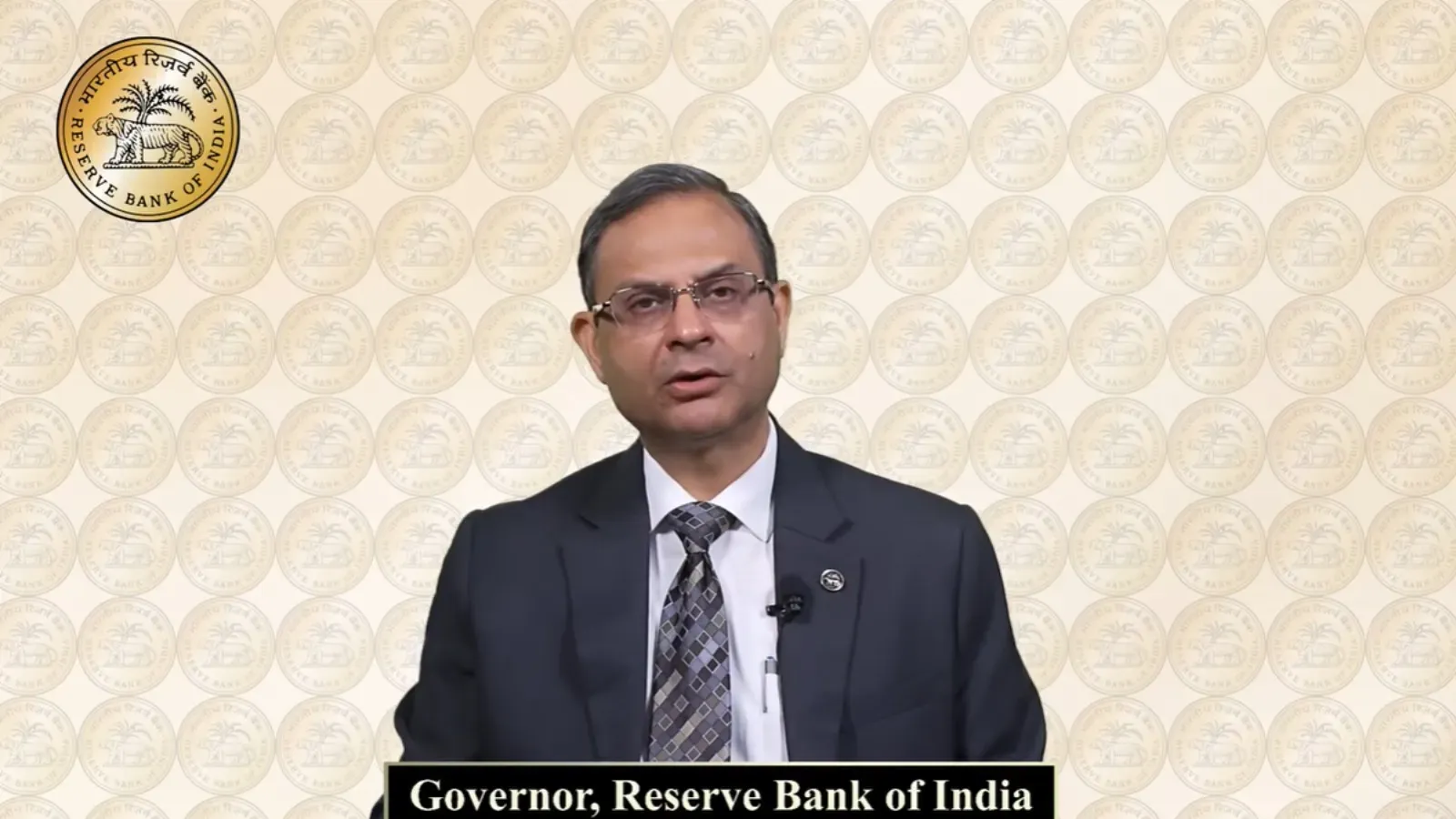
The Reserve Bank of India (RBI) raised its policy repo rate by 25 basis points to 5.5% on October 7, 2026. This decision marks the first rate hike since February 2023 and signals a shift in the central bank's approach to managing inflation and economic growth. Experts say the rate increase will impact borrowing costs and credit markets beyond just loan interest rates.
- The RBI raised the repo rate to 5.5%, ending a period of steady rates since February 2023.
- The Monetary Policy Committee (MPC) changed its stance from "neutral" to "calibrated tightening."
- Borrowers with repo-linked loans may see higher EMIs or longer loan tenures.
- Lenders will face modestly higher funding costs and must balance competitive lending with cost management.
- Credit markets will focus more on cash flow quality and debt-servicing ability amid higher rates.
Why did the RBI decide to raise the repo rate now?
The RBI's Monetary Policy Committee (MPC) unanimously raised the repo rate by 25 basis points to 5.5% during its bi-monthly review. The last hike was in February 2023, when the rate was increased to 6.50%. This new hike reflects the RBI's goal to maintain price stability amid global economic uncertainties, including geopolitical tensions affecting energy prices and inflation.
According to Puja Abhishek Singh, CEO of Manipal Fintech, the rate hike was widely expected. It shows the RBI's focus on balancing inflation control with supporting economic growth. The MPC also shifted its stance from "neutral" to "calibrated tightening," indicating that rate cuts are unlikely in the near future.
How will this rate hike affect borrowers and lenders?
Borrowers with loans linked to the repo rate may experience changes in their Equated Monthly Instalments (EMIs) or loan tenures. Deposit rates may also increase as banks adjust to the new rate environment.
Lenders, including fintech companies and non-banking financial companies (NBFCs), will face a modest rise in their cost of funds. They will need to manage these costs carefully while keeping lending rates competitive. Ensuring access to credit for consumers and small businesses remains a priority.
What impact will the rate hike have on credit markets?
Sandeep Agarwal, CEO and CIO of Modulus Alternatives, explains that the rate hike signals a shift in the interest-rate cycle. Higher rates mean that credit markets will focus more on the quality of cash flows, the ability to service debt, and the strength of collateral.
For private credit markets, this means lenders will apply more disciplined underwriting and select businesses with strong fundamentals and clear repayment plans. The RBI's future guidance will be crucial in determining whether this is the start of a broader tightening cycle.
What are the broader economic implications of the rate hike?
Viram Shah, Founder and CEO of Vested, notes that the rate hike supports confidence in price stability and may strengthen rupee assets. The move also increases the gap between India's policy rate and the US Federal Reserve's rate to 1.50 percentage points, which can influence currency flows.
Meanwhile, global markets like the S&P 500 and Nasdaq have reached record highs, reflecting optimism around technology and corporate earnings despite macroeconomic challenges. This shows how different markets can react differently even during shared economic conditions.
Frequently Asked Questions
Q: What is the repo rate?
A: The repo rate is the interest rate at which the Reserve Bank of India lends money to commercial banks. Changes in the repo rate influence borrowing costs and overall economic activity.
Q: How does a rate hike affect loan EMIs?
A: When the repo rate increases, banks may raise interest rates on loans linked to it. This can lead to higher EMIs or longer loan tenures for borrowers.
Q: Why is the RBI focusing on inflation control?
A: Inflation affects the purchasing power of money and economic stability. The RBI raises rates to keep inflation in check, especially during global uncertainties like rising energy prices.
Q: What does "calibrated tightening" mean?
A: It means the RBI plans to gradually increase interest rates to control inflation without harming economic growth.