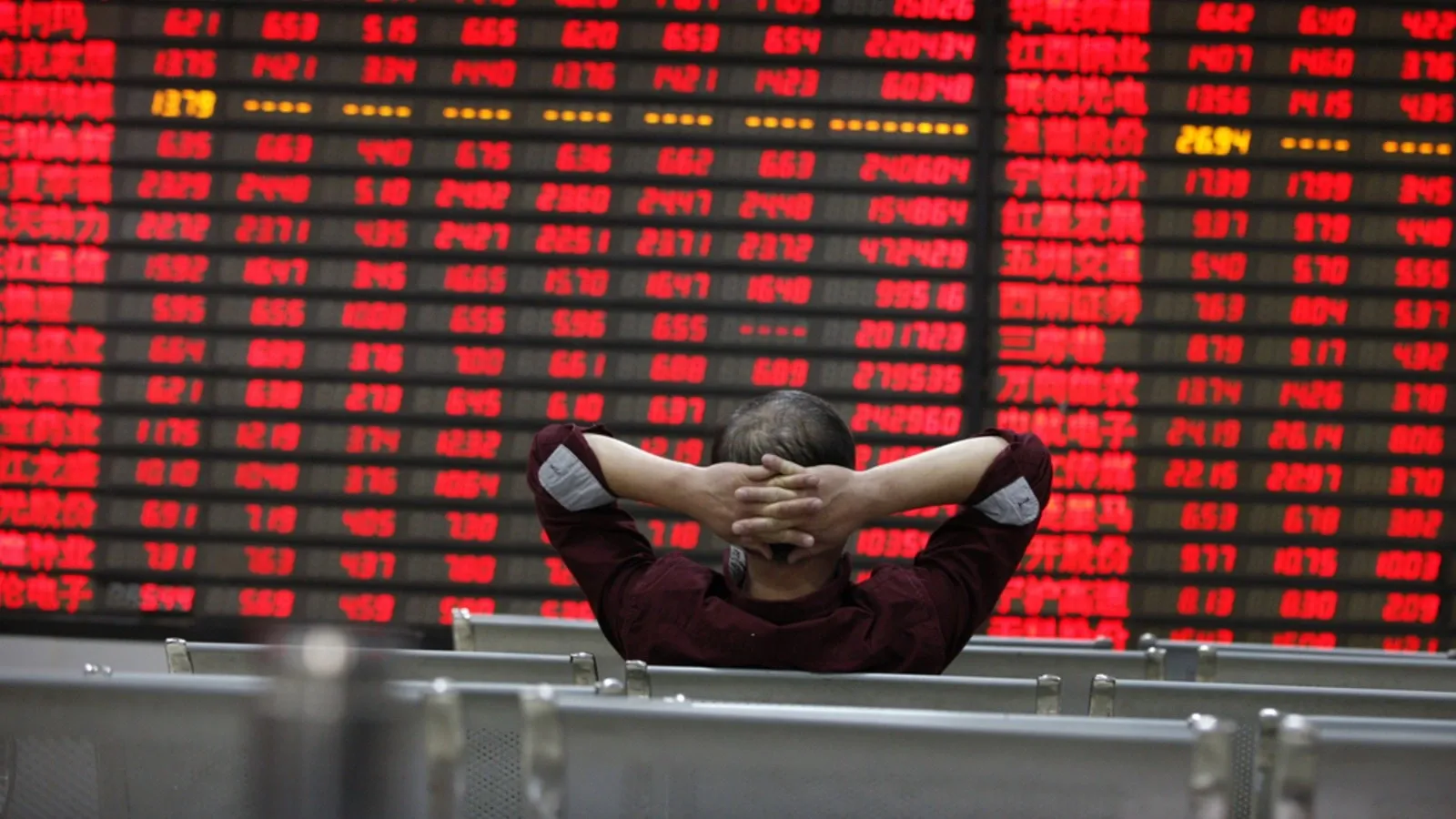
The Reserve Bank of India (RBI) increased the repo rate by 25 basis points to 5.5% to address rising inflation, which has been above the upper tolerance level of 4% since June. This move led to a decline in major Indian equity benchmarks, with the Sensex and Nifty50 resuming their downward trend after a two-day pause.
- The RBI's Monetary Policy Committee (MPC) raised the repo rate to 5.5%.
- Inflation has been trending above the 4% upper tolerance band since June.
- The Sensex fell as much as 599 points, closing 429 points lower at 72,639.
- The Nifty50 index dropped 173 points to close at 22,603.
- The RBI changed its policy stance from neutral to calibrated tightening.
- Global crude prices rose, with Brent Crude futures increasing 1.5% to $102 per barrel.
Why did the RBI hike the repo rate?
The RBI's primary goal in raising the repo rate is to control inflation, which has been rising above the central bank's target range. Since June, inflation has consistently stayed above the 4% upper band of tolerance. By increasing the repo rate, the RBI aims to make borrowing more expensive, which can reduce spending and slow down inflation.
What does a calibrated tightening policy stance mean?
A calibrated tightening stance indicates that the RBI has removed the possibility of cutting interest rates in the near future. Instead of raising rates aggressively at every meeting, the RBI plans to increase rates gradually and selectively. This approach allows the central bank to respond carefully to economic changes without causing sudden shocks to the market.
How did the stock market react to the RBI's decision?
Following the repo rate hike, the Indian stock market experienced a decline. The Sensex fell as much as 599 points during the day and ended 429 points lower at 72,639. Similarly, the Nifty50 index touched an intraday low of 22,546 before closing down 173 points at 22,603. The market's negative response reflects concerns about higher borrowing costs and their impact on economic growth.
Did other factors influence the market decline?
Yes, global crude oil prices also contributed to the negative market sentiment. Brent Crude futures for December delivery rose by 1.5% to $102 per barrel. Higher crude prices can increase costs for businesses and consumers, adding inflationary pressure and affecting market confidence.
What are the implications for borrowers and investors?
With the repo rate increased, borrowing costs for loans such as home loans, car loans, and business loans may rise. This can reduce demand for credit and slow down economic activity. Investors may also become cautious, as higher interest rates can reduce corporate profits and affect stock valuations.
What can be expected in the near future?
The RBI's calibrated tightening stance suggests that future rate hikes will be gradual and data-dependent. The central bank will monitor inflation trends and economic growth before making further policy decisions. Market participants should stay informed about economic indicators and RBI announcements to understand potential impacts.