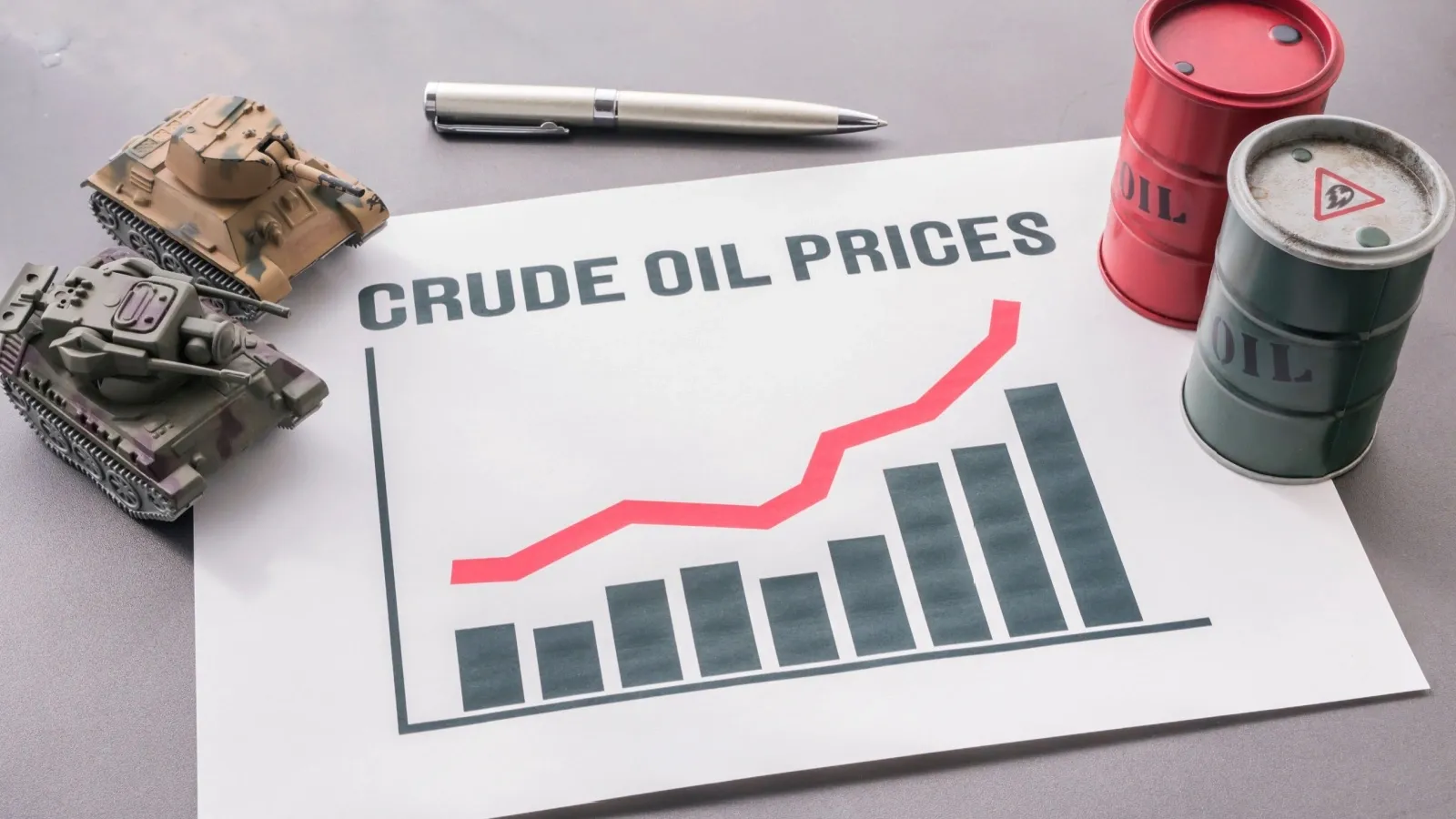
Brent crude oil prices climbed back above $100 per barrel on Wednesday following renewed attacks on oil tankers in the Middle East, raising concerns about oil supply stability. This increase comes after prices dipped to $97 per barrel earlier in the week.
- Brent crude oil rose over 1% to above $101 per barrel on Wednesday.
- Iran intensified attacks on oil tankers in the Strait of Hormuz, with nine incidents reported this month.
- Saudi Arabia intercepted a ballistic missile launched by Houthis toward Khamis Mushait.
- Oil supply remains resilient with pipelines delivering over 5.6 million barrels per day.
- WTI crude oil prices stayed below $90 per barrel, down 1.5% for the week.
- International Energy Agency plans to discuss releasing 100 million barrels of diesel and crude oil.
Why Did Brent Crude Oil Prices Rise Above $100?
The recent increase in Brent crude oil prices is mainly due to fresh attacks on oil tankers in the Strait of Hormuz, a critical shipping route for global oil trade. Iran has reportedly intensified these attacks, with nine incidents recorded so far this month. Such events raise fears about disruptions in oil supply, prompting price increases.
How Have Geopolitical Events Affected Oil Prices?
Geopolitical tensions in the Middle East have a significant impact on oil prices. Recently, Saudi Arabia intercepted a ballistic missile launched by the Houthi group toward Khamis Mushait, adding to regional instability. These conflicts increase risks for shipping and insurance costs, which in turn affect oil market prices.
What Is the Current Status of Oil Supply?
Despite the tensions, oil supply remains relatively stable. The east-west pipeline continues to supply more than 5.6 million barrels per day. Saudi Arabia's Energy Minister reported that oil supply levels have returned to pre-war levels during the last four days of September, indicating resilience in production and distribution.
Why Are Prices Still Volatile Despite Supply Stability?
Although supply has stabilized, prices remain volatile due to ongoing threats in the Strait of Hormuz and concerns over future disruptions. Additionally, the International Energy Agency is set to meet to discuss releasing 100 million barrels of diesel and crude oil to ease supply pressures. This potential release could influence prices in the near term.
How Are Other Oil Prices Performing?
West Texas Intermediate (WTI) crude oil prices continue to trade below $90 per barrel and have fallen more than 1.5% for the week. U.S. crude oil inventories declined by 2.1 million barrels last week, which adds to supply concerns but has not been enough to push prices higher.
What Is the Impact on Indian Crude Oil Prices?
In India, MCX crude oil prices rose 1% to ₹8,725 per barrel on Wednesday for the October contract. This increase followed a dip to ₹8,388 per barrel on Tuesday, reflecting global price movements and local market responses to international events.
Frequently Asked Questions
Q: What caused the recent attacks on oil tankers?
A: The attacks are linked to escalating tensions involving Iran and other groups in the Middle East, particularly in the Strait of Hormuz, a strategic oil shipping route.
Q: How do these attacks affect global oil prices?
A: Attacks increase the risk of supply disruptions, leading to higher shipping and insurance costs, which generally push oil prices up.
Q: What measures are being taken to stabilize oil supply?
A: Oil-producing countries are maintaining pipeline flows, and international agencies like the International Energy Agency plan to release strategic reserves to ease supply concerns.