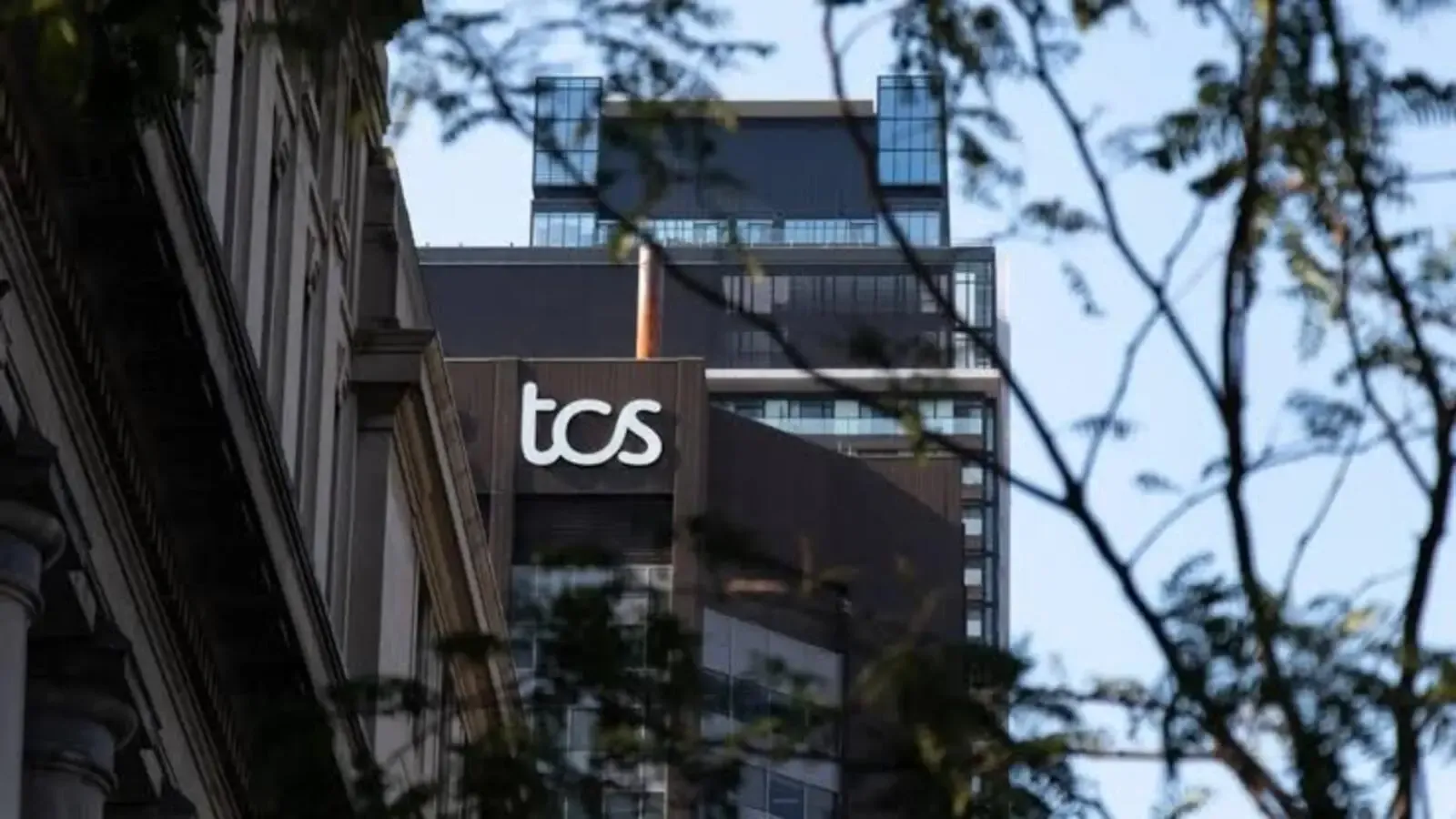
On October 8, 2026, Indian stock markets opened on a cautious note as the Sensex dropped over 300 points and the Nifty50 index opened at 22,599. This decline was mainly due to negative cues from Asian markets, elevated oil prices, and rising US Treasury yields. However, IT stocks bucked the trend and led the gainers in early trading hours.
- The Nifty50 index opened at 22,599.05 points, down by 0.02% or 4 points from the previous close.
- The BSE Sensex opened slightly higher at 72,668 points but fell over 300 points soon after.
- Asian market selloffs and rising US Treasury yields contributed to the subdued market sentiment.
- Elevated oil prices added to the selling pressure in the Indian equity markets.
- IT sector stocks like TCS and Infosys showed gains despite the overall market decline.
Why Did the Sensex and Nifty50 Decline on October 8, 2026?
The decline in the Sensex and Nifty50 was influenced by several factors. Firstly, Asian markets experienced selloffs, which often impact Indian markets due to global economic interconnections. Secondly, oil prices remained elevated, increasing costs for many companies and creating uncertainty among investors. Finally, rising US Treasury yields made fixed-income investments more attractive, leading some investors to reduce their equity holdings.
How Did IT Stocks Perform Amid the Market Decline?
While the overall market showed weakness, IT stocks such as Tata Consultancy Services (TCS) and Infosys performed well and led the list of gainers. This sector's resilience can be attributed to strong global demand for IT services and positive earnings outlooks, which helped offset the broader market's negative sentiment.
What Was the Opening Performance of Key Indices?
The Nifty50 index opened at 22,599.05 points, slightly lower than its previous close of 22,603.05 points. The BSE Sensex opened marginally higher at 72,668 points compared to 72,638.70 points at the prior close. Despite the initial opening levels, both indices declined during the early trading hours due to selling pressure.
What Are the Key Takeaways for Investors?
- Global market trends and economic indicators significantly influence Indian equity markets.
- Rising oil prices and US Treasury yields can create headwinds for stock markets.
- Sector-specific strength, such as in IT stocks, can provide investment opportunities even during market downturns.
- Investors should monitor international developments alongside domestic factors when making decisions.
Frequently Asked Questions
Q: What caused the Sensex to drop over 300 points on October 8, 2026?
A: The drop was mainly due to selloffs in Asian markets, elevated oil prices, and rising US Treasury yields, which created a cautious market environment.
Q: Did all sectors decline on this day?
A: No, IT stocks like TCS and Infosys gained despite the overall market decline.
Q: How did the Nifty50 open compared to the previous close?
A: The Nifty50 opened slightly lower at 22,599.05 points, down by 4 points from the previous close of 22,603.05 points.
Q: Why do rising US Treasury yields affect Indian stock markets?
A: Rising US Treasury yields make fixed-income investments more attractive, which can lead investors to reduce holdings in equities, including Indian stocks.
Q: What should investors watch for in such market conditions?
A: Investors should keep an eye on global market trends, commodity prices like oil, and sector-specific performance to make informed decisions.