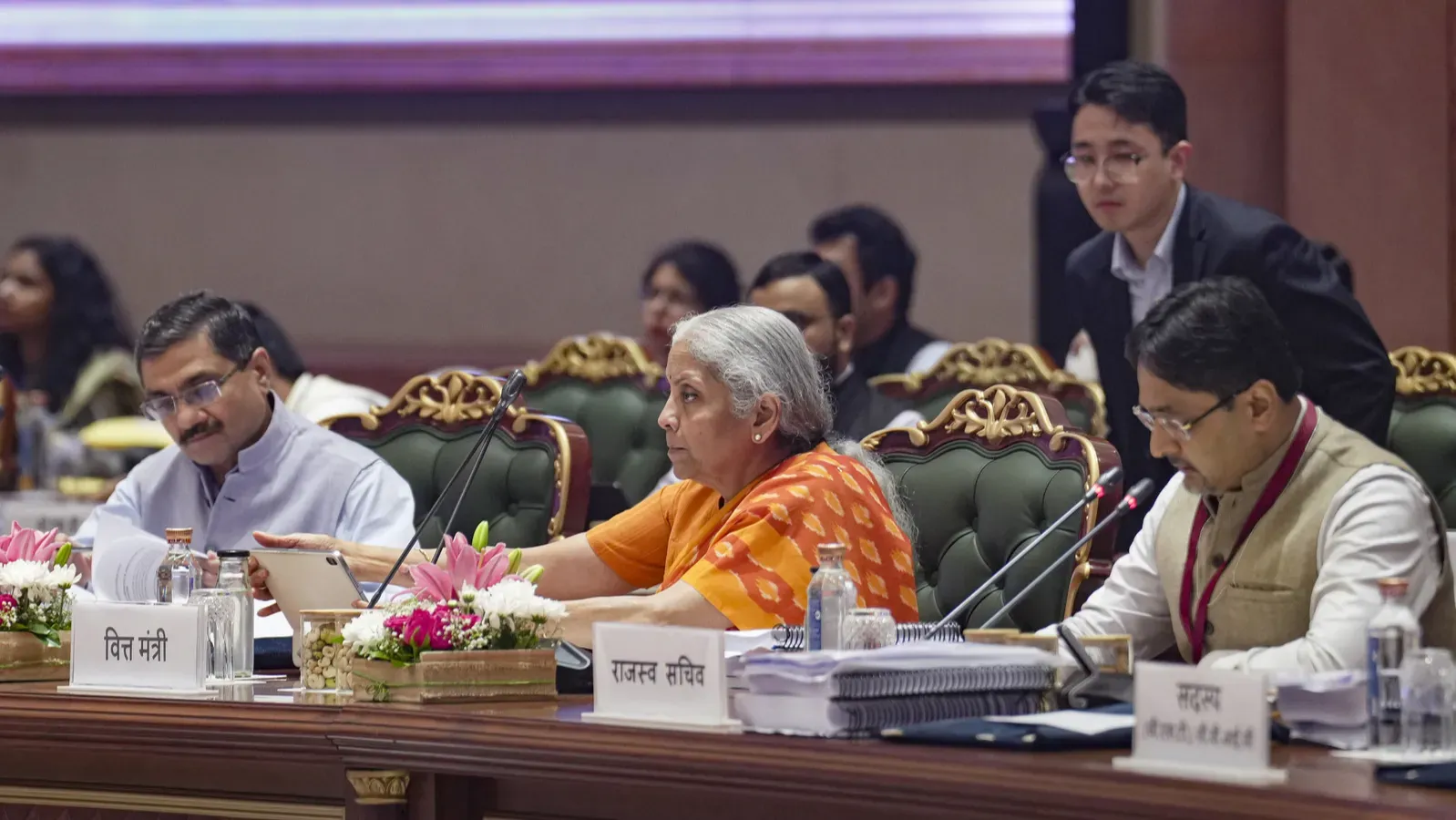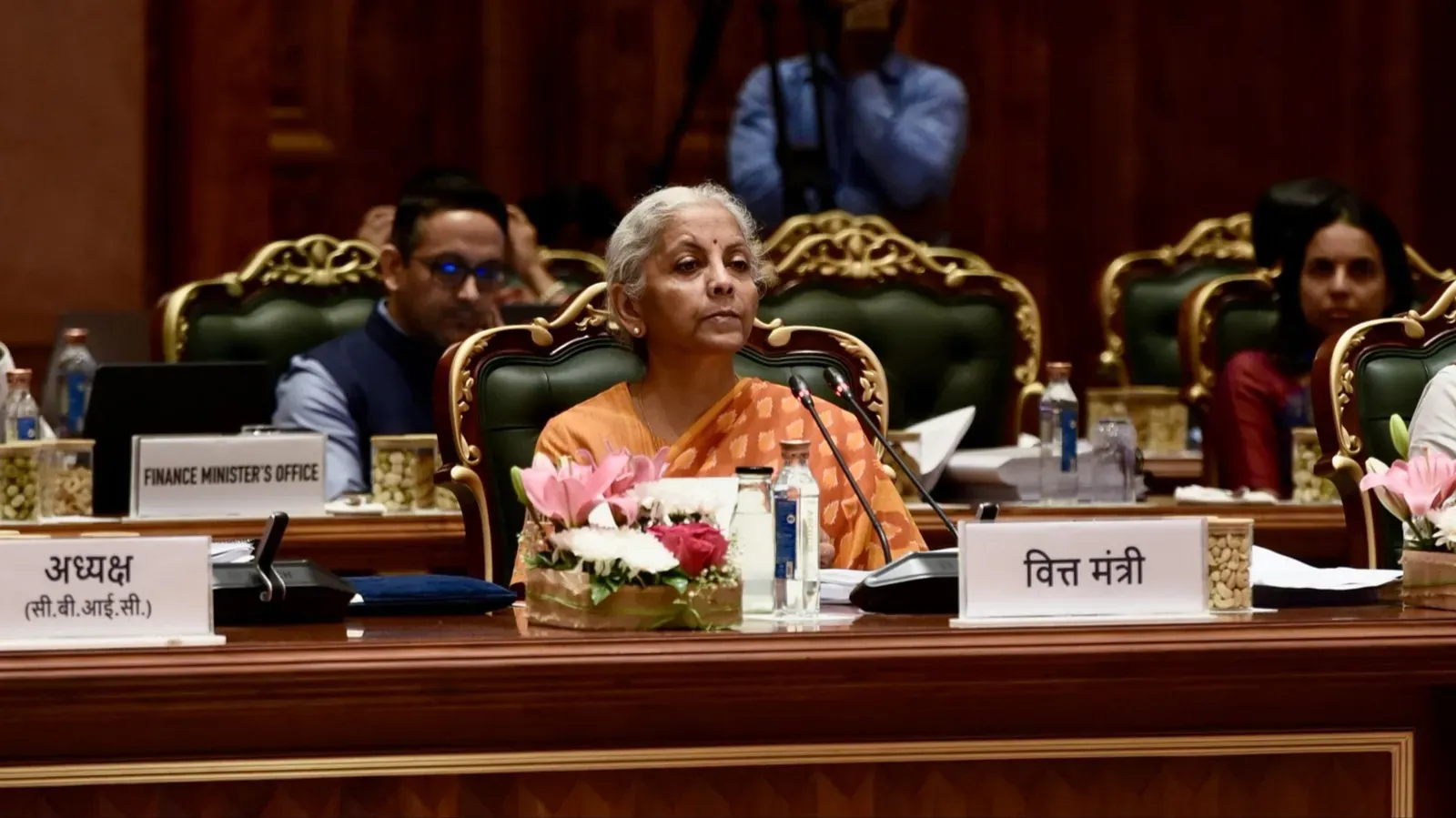
The GST Council has made significant changes to the Goods and Services Tax (GST) enforcement rules, including removing officers' power to arrest and raising the prosecution threshold to ₹5 crore from ₹1 crore. These changes aim to simplify GST compliance and reduce harsh penalties for taxpayers.
- GST officers can no longer arrest taxpayers; arrest power has been removed.
- Prosecution threshold increased from ₹1 crore to ₹5 crore.
- Minimum punishment for GST offences removed; courts decide fines or imprisonment.
- General penalty reduced from ₹25,000 to ₹10,000.
- Input tax credit (ITC) allowed on GST paid for employee life and health insurance.
- GST rate changes will be reviewed once a year in a dedicated meeting.
What changes did the GST Council make regarding arrest powers?
The Council decided to remove the power of arrest from GST officers. Previously, officers could arrest taxpayers in cases involving major offences such as tax evasion or fraudulent input tax credit exceeding ₹1 crore, but only after authorization from a Commissioner-level officer. Now, officers no longer have this power, which is expected to reduce fear among taxpayers and encourage voluntary compliance.
How has the prosecution threshold changed under the new GST rules?
The prosecution threshold has been raised from ₹1 crore to ₹5 crore. This means that only cases involving evasion or fraud above ₹5 crore will be considered for prosecution. This change aims to focus legal action on more serious offences and reduce unnecessary litigation for smaller amounts.
What are the new rules on punishment for GST offences?
The GST Council removed the minimum punishment prescribed for GST offences. Now, the judiciary has the discretion to decide whether a case warrants a fine, imprisonment, or both. Additionally, the general penalty for offences where no specific penalty is prescribed has been reduced from ₹25,000 to ₹10,000. Taxpayers who file late, make mistakes, or delay payments will face recovery, interest, and proportionate penalties but not imprisonment.
How will GST rate changes be handled going forward?
The Council decided that rate-related matters will be discussed once a year in a meeting dedicated exclusively to GST rate changes. No rate changes were made in the 57th GST Council meeting, and the current rate structure is considered settled for now.
What is the new policy on input tax credit for insurance premiums?
The Council allowed employers to claim input tax credit on GST paid for life and health insurance cover provided to employees. While individuals buying insurance for themselves are exempt from GST, businesses were previously charged 18% GST on group insurance policies and could not claim ITC. This change will lower the cost of providing insurance benefits and support the insurance industry.
What are the reactions from state leaders about these GST changes?
Delhi Chief Minister Rekha Gupta praised the meeting for focusing on simplifying GST and making it more user-friendly. She highlighted the cooperation among states in the GST Council. West Bengal Finance Minister Swapan Dasgupta emphasized the importance of GST revenue for his state and noted increased awareness about compliance following the meeting.
These reforms reflect the GST Council's efforts to make the tax system fairer and easier to comply with, benefiting both taxpayers and the government.