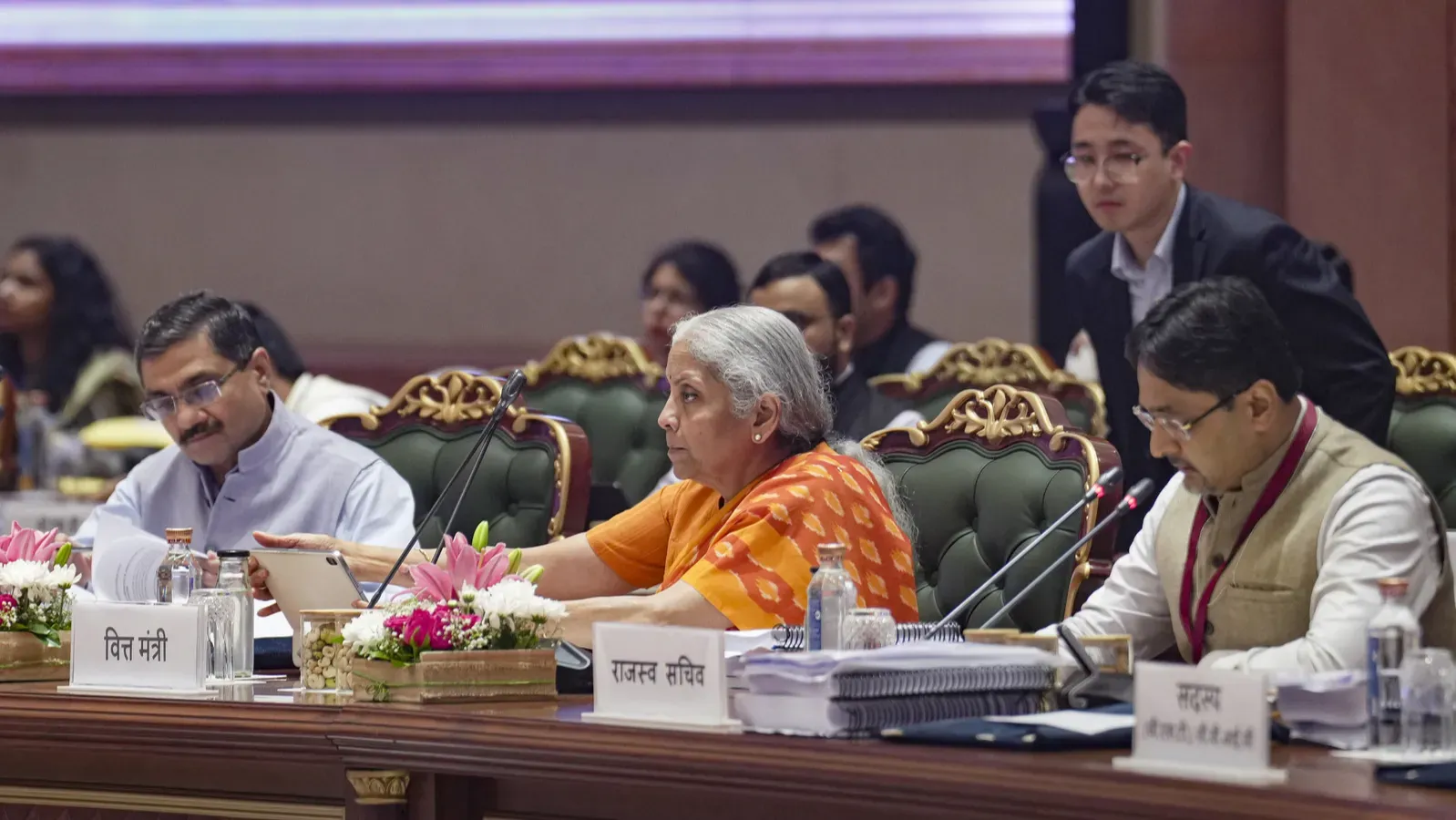
The 57th meeting of the Goods and Services Tax (GST) Council, chaired by Finance Minister Nirmala Sitharaman, concluded with no changes to GST rates. Instead, the council decided to review GST rate-related matters once a year during a dedicated meeting. This decision aims to provide stability and predictability for businesses and taxpayers across India.
- The GST rates remain unchanged after the 57th council meeting.
- Rate-related matters will be reviewed once annually in a separate meeting.
- The prosecution threshold for GST offences has been raised from ₹1 crore to ₹5 crore.
- The general penalty for offences without specific penalties has been reduced from ₹25,000 to ₹10,000.
- The power of arrest in GST cases involving tax evasion has been removed.
Why Did the GST Council Decide Not to Change Rates?
Finance Minister Nirmala Sitharaman explained that the council focused entirely on process reforms rather than rate changes during this meeting. The existing GST rate structure is considered settled after simplifications made last year. The council aims to help businesses and taxpayers by improving processes rather than altering rates frequently.
What Are the New Measures to Support Taxpayers and Businesses?
The council raised the threshold for prosecution under GST law from ₹1 crore to ₹5 crore. This means that only cases involving tax evasion or fraudulent claims exceeding ₹5 crore will be subject to prosecution. This change reduces the risk of legal action for smaller offences and helps businesses operate with more confidence.
Additionally, the general penalty for offences where no specific penalty is prescribed has been lowered from ₹25,000 to ₹10,000. This reduction makes penalties more reasonable and less burdensome for taxpayers.
Another significant change is the removal of the power of arrest in GST cases. Previously, officers could arrest individuals in major offences involving tax evasion or wrongful refunds exceeding ₹1 crore, with prior authorization from a Commissioner-level officer. Now, this power has been taken away to prevent unnecessary harassment and promote a fairer tax environment.
How Will Annual Review of GST Rates Benefit the Economy?
By setting aside a dedicated annual meeting to review GST rates, the council ensures that any changes are carefully considered and communicated well in advance. This approach provides stability to businesses, allowing them to plan their finances and pricing strategies without sudden surprises. It also helps the government maintain a consistent revenue stream while addressing any necessary adjustments in a structured manner.
What Did Finance Minister Nirmala Sitharaman Say About the Meeting?
During the press conference, Minister Sitharaman emphasized that the meeting was about process reforms to assist businesses and taxpayers. She stated, "Absolutely nothing to do with the rate being taken up." She highlighted that last year’s simplification of GST rates had settled the rate structure, and this year’s focus was on improving processes to make compliance easier and reduce the burden on taxpayers.
Overall, the 57th GST Council meeting reflects the government's commitment to creating a stable and business-friendly tax environment. By maintaining current rates and focusing on procedural reforms, the council aims to support economic growth and ease of doing business in India.