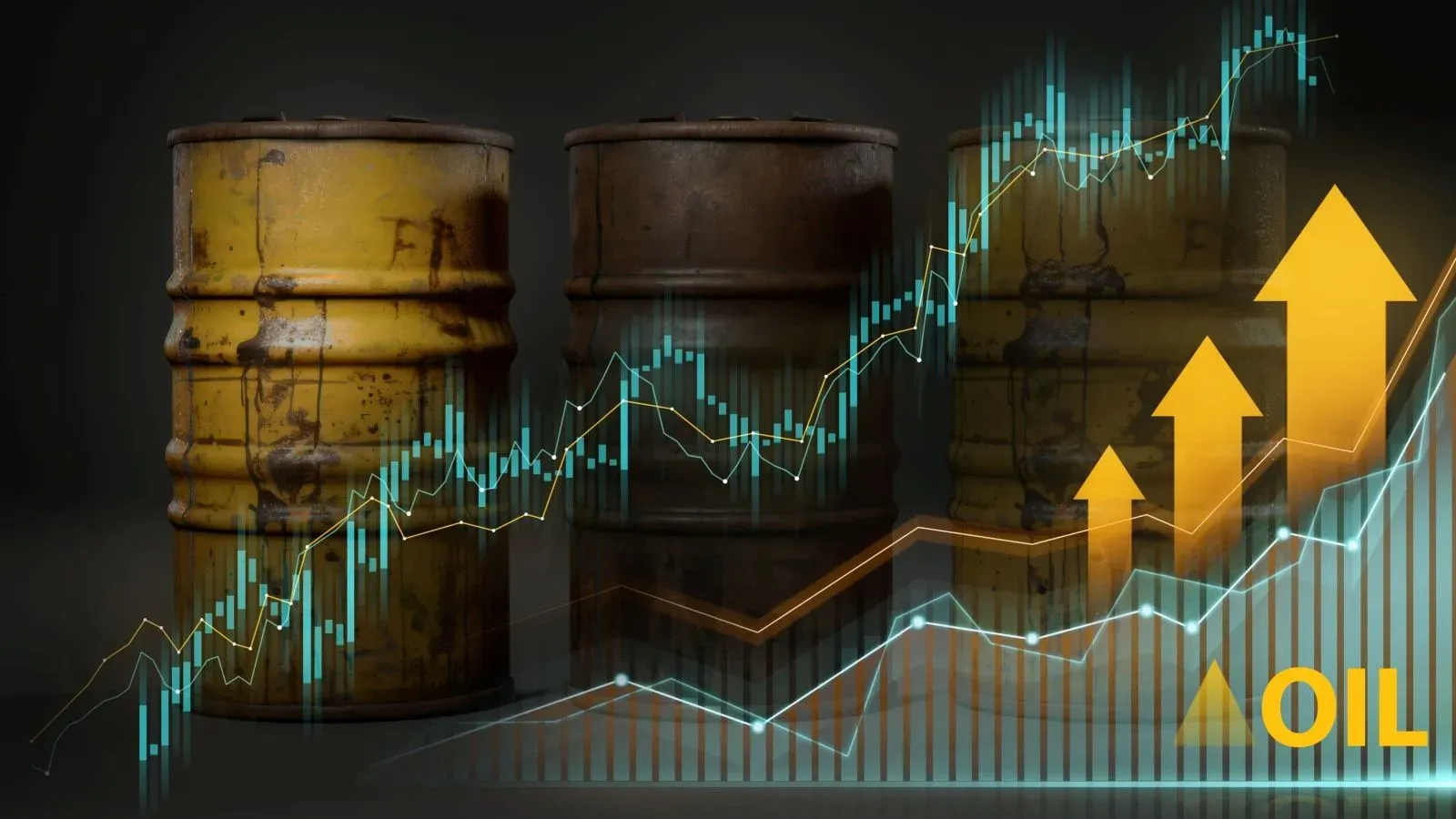
The NIFTY Oil & Gas index dropped to its 52-week low on October 9, 2026, despite overall positive market sentiment. This decline occurred a day after the stock market experienced its largest drop of the year. The index reached a one-year low of 10,286.70, with 11 out of 15 stocks trading in the red.
- The Indian crude basket averaged $116.1 per barrel in September, significantly higher than $82 in July.
- Brent crude oil prices fell 1.5% to $102.71 per barrel on October 9 after reaching $105 the previous day.
- Geopolitical tensions in the Middle East and a hurricane threat to US offshore production influenced oil prices.
- The Reserve Bank of India highlighted increased inflation risks due to higher food and fuel prices and international oil price volatility.
- Elevated crude prices are expected to impact corporate margins and reduce private consumption.
Why Did the NIFTY Oil & Gas Index Fall to a 52-Week Low?
The NIFTY Oil & Gas index's decline is linked to rising crude oil prices and geopolitical uncertainties. Despite positive overall market trends, oil and gas stocks faced selling pressure. The index's fall to 10,286.70 reflects investor concerns over increased costs and potential inflationary effects.
What Caused the Recent Changes in Crude Oil Prices?
Crude oil prices surged earlier in the week due to supply concerns from the Middle East. Increased attacks on shipping in the Gulf and the Strait of Hormuz raised fears of disruptions. Additionally, US oil output decreased as a hurricane threatened offshore production facilities. However, Brent crude prices fell by 1.5% on October 9, settling at $102.71 per barrel after reaching a high of $105 the previous day.
How Are Geopolitical Events Affecting the Oil Market?
Geopolitical tensions, particularly involving Iran and the ongoing conflict in West Asia, have heightened uncertainty in oil markets. US President Donald Trump announced he would not resume military strikes on Iran before the November 3 midterm elections but hinted at possible escalation afterward. These developments contribute to volatility in oil prices and investor caution.
What Did the Reserve Bank of India Say About Inflation Risks?
The Reserve Bank of India (RBI) noted that inflation risks have increased compared to the previous year. Factors include higher food and fuel prices, deficient monsoon rains, El Niño conditions, and renewed volatility in international oil prices. The RBI highlighted that the average price of the Indian crude basket rose sharply to $116.1 per barrel in September from $82 in July, signaling inflationary pressures.
What Are the Expected Economic Impacts of Rising Oil Prices?
Rising crude oil prices are expected to negatively affect corporate profit margins and reduce private consumption. According to a note by ICRA, elevated oil prices and other inflationary pressures will likely dampen economic growth by increasing costs for businesses and consumers alike.
Frequently Asked Questions
Q: Why did the NIFTY Oil & Gas index drop despite positive market sentiment?
A: The index fell due to rising crude oil prices and geopolitical tensions that increased inflation risks, leading investors to sell oil and gas stocks.
Q: How have crude oil prices changed recently?
A: Crude oil prices surged earlier due to supply concerns but fell 1.5% on October 9, settling at $102.71 per barrel after reaching $105 the day before.
Q: What role do geopolitical events play in oil price volatility?
A: Conflicts and tensions in the Middle East, especially involving Iran, create uncertainty about supply, causing price fluctuations.
Q: What did the RBI report about inflation and oil prices?
A: The RBI reported increased inflation risks due to higher food and fuel prices, deficient monsoons, El Niño conditions, and volatile international oil prices, with the Indian crude basket price rising sharply in recent months.