Indian Railways has cancelled and rescheduled multiple trains arriving in Delhi on October 10 because of a planned protest by the Cockroach Janata Party (CJP) at Jantar Mantar. The Delhi Police has also asked the Delhi Metro Rail Corporation (DMRC) to restrict entry and exit at 57 metro stations from Friday night through Saturday to control crowd movement and maintain security.
- Several trains to New Delhi and Hazrat Nizamuddin stations are cancelled or rescheduled.
- Metro entry and exit restrictions will apply at 57 stations starting 9 pm on October 9.
- Protest permission was denied due to late application and past violations.
- Prohibitory orders have been imposed in the New Delhi district under Section 163 of BNSS.
Why are trains cancelled and rescheduled on October 10?
The cancellations and rescheduling of trains are due to a protest planned by the Cockroach Janata Party (CJP) at Jantar Mantar in New Delhi. Indian Railways anticipates severe road traffic congestion around New Delhi and Hazrat Nizamuddin railway stations because of the demonstration. To avoid disruptions, the Railway Board directed that all Mail and Express trains departing after 2 pm on October 9 and scheduled to reach these stations between 4 am and 2 pm on October 10 be cancelled at their source.
Which trains are affected by these changes?
Several important trains have been cancelled or rescheduled. The Eastern Railway cancelled the Howrah-New Delhi Rajdhani Express (12301) and Sealdah-New Delhi Rajdhani Express (12313). The Western Railway rescheduled the Mumbai Central-New Delhi Rajdhani Express (12951) and Mumbai Central-Hazrat Nizamuddin August Kranti Rajdhani Express (12953) by five hours and cancelled the Bandra Terminus-Hazrat Nizamuddin Express (12247). Other cancellations include the Dr Ambedkar Nagar-New Delhi Express (20155), Indore-Hazrat Nizamuddin Express (09309), Indore-New Delhi Express (12415), Sabarmati-New Delhi Express (12957), Magadh Express (20801), Patna-Rajendra Nagar Terminal-New Delhi Tejas Rajdhani Express (12309), Sampoorna Kranti Express (12393), and Amrit Bharat Express (22361).
What metro restrictions are planned during the protest?
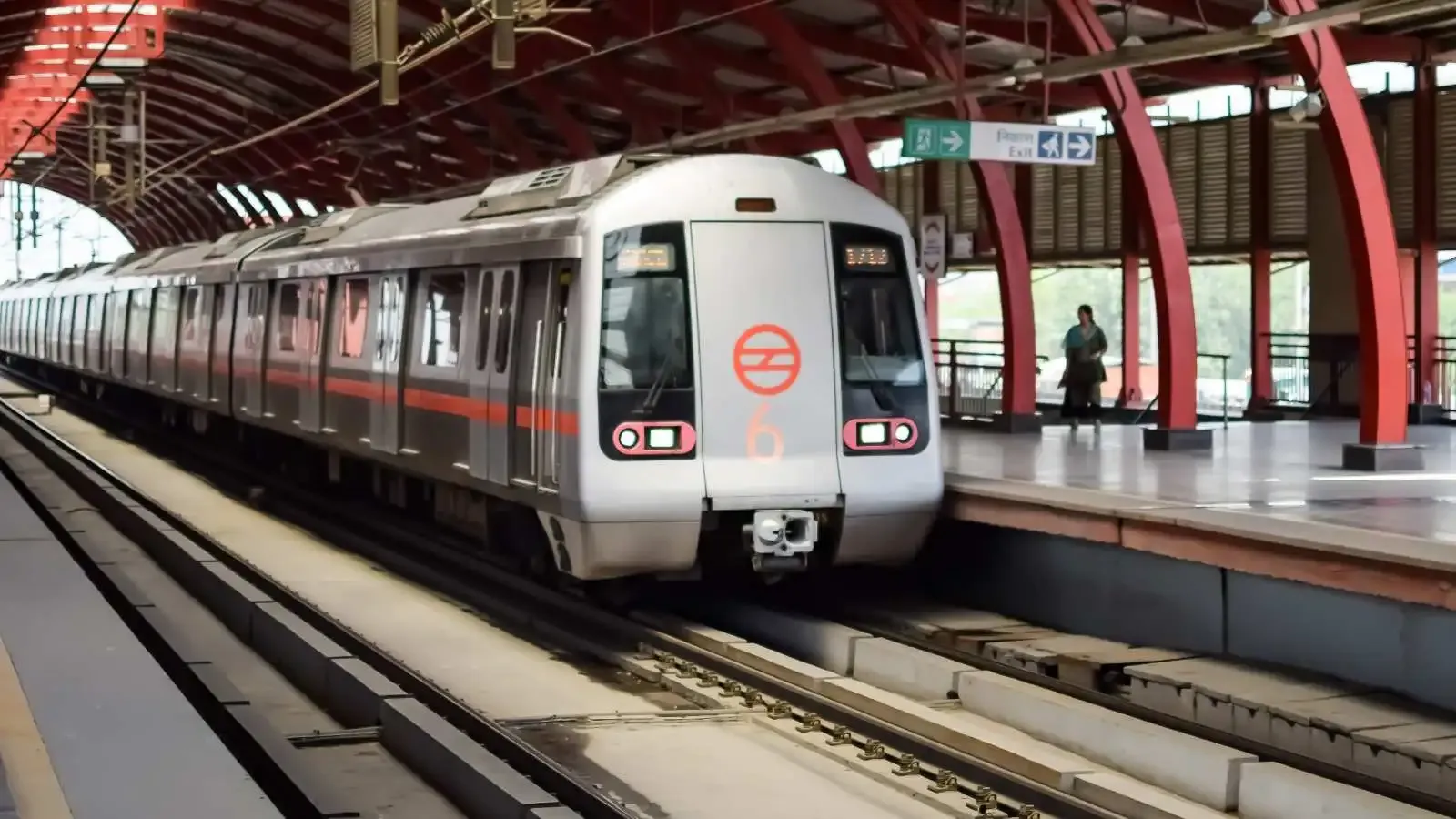
The Delhi Police requested the DMRC to consider closing entry and exit gates at 57 metro stations from 9 pm on October 9 through Saturday until the situation normalises. They also asked for a reduction in the frequency of metro trains passing through these stations. The stations affected include major hubs such as Rajiv Chowk, Central Secretariat, New Delhi, Kashmere Gate, Mandi House, ITO, Supreme Court, Sarai Kale Khan-Nizamuddin, and several stations in northeast Delhi. These measures aim to prevent unruly crowd movement towards sensitive locations during the protest.
Why was permission for the protest denied?
The Delhi Police denied permission for the CJP and some student organisations to hold the protest at Jantar Mantar. The application for permission was submitted on October 7, only three days before the planned demonstration, whereas rules require applications to be submitted at least 10 days in advance. Additionally, the police cited alleged violations of rules during a previous demonstration as a reason for refusal. Prohibitory orders under Section 163 of the Bharatiya Nagarik Suraksha Sanhita (BNSS) have been imposed in the New Delhi district to prevent potential disturbances.
What are the key security measures in place?
Besides train cancellations and metro restrictions, the Delhi Police have imposed prohibitory orders to maintain law and order. These orders allow authorities to take preventive actions against possible disturbances during the protest. The police are closely monitoring the situation to ensure public safety and smooth functioning of transport services.