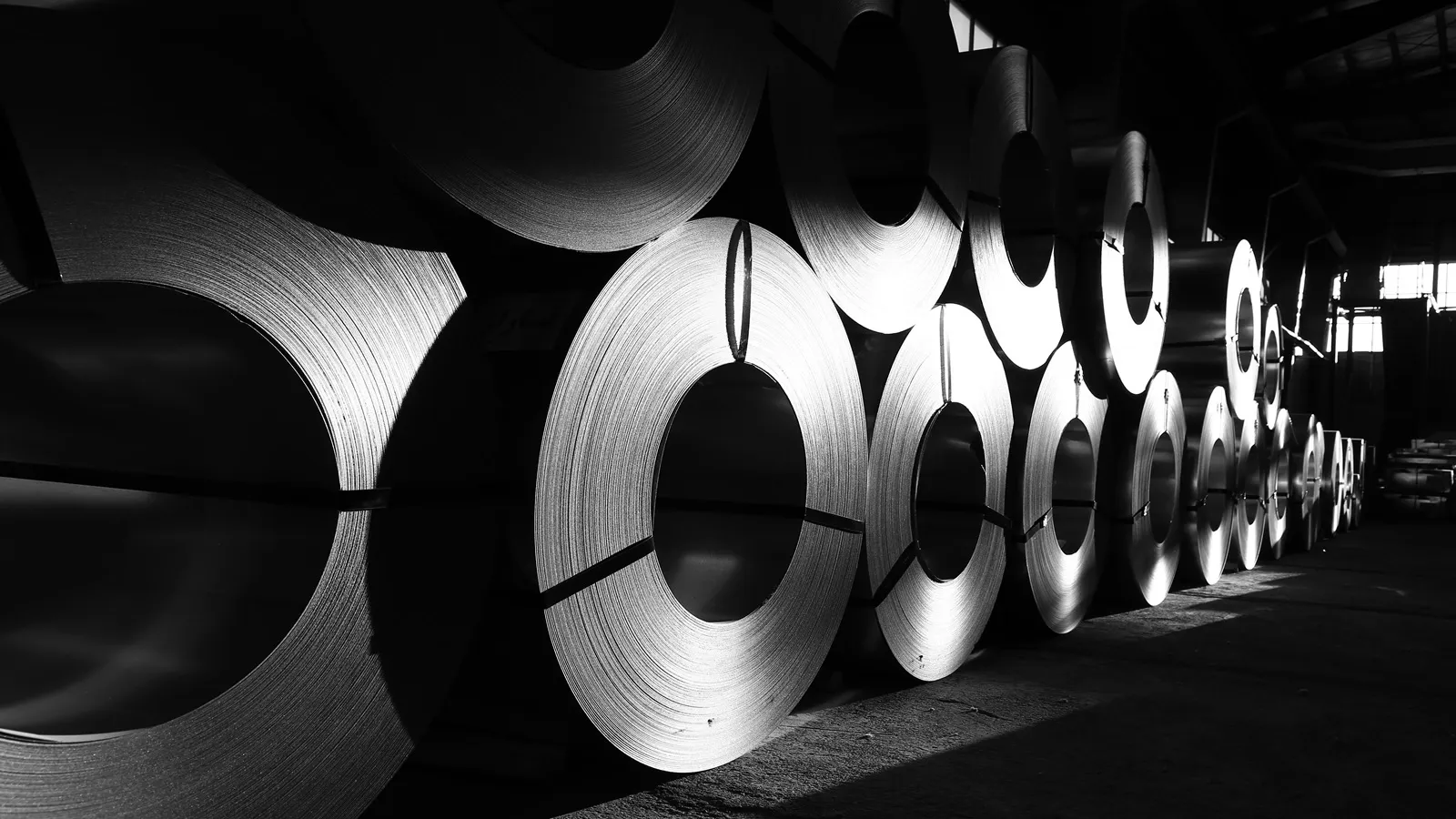
The draft National Steel Policy (NSP) Vision 2047 outlines India's long-term goals to develop a globally competitive, technologically advanced, and environmentally sustainable steel sector. It aims to increase crude steel production to 604 million tonnes, raise per capita steel consumption to 302 kilograms, and boost steel exports to 45 million tonnes by 2047. This policy aligns with the vision of Viksit Bharat@2047 and is currently open for stakeholder consultation.
- The NSP Vision 2047 targets 604 million tonnes of crude steel production by 2047.
- Per capita steel consumption is expected to reach 302 kilograms.
- Steel exports are projected to increase to 45 million tonnes.
- The policy emphasizes raw material security, reducing imports, and increasing high-end steel production.
- Major steel companies and related industries are expected to benefit from the policy.
What are the main goals of the National Steel Policy Vision 2047?
The NSP Vision 2047 sets ambitious targets for India's steel industry over the next two decades. It aims to nearly double crude steel production to 604 million tonnes and increase per capita steel consumption from 160 kilograms (as per the 2017 policy) to 302 kilograms. The policy also targets steel exports of 45 million tonnes to strengthen India's position in the global steel market.
Additionally, the policy focuses on ensuring raw material security by increasing domestic production of iron ore and coking coal, reducing import dependence, and promoting the production of high-value and technologically advanced steel products. These goals support the broader vision of a developed and self-reliant India by 2047.
How will the policy impact steel demand and consumption?
Steel demand is expected to grow significantly, driven by manufacturing, infrastructure, and urbanization. Currently, construction and infrastructure sectors account for about 67% of steel consumption, while automobiles, engineering goods, appliances, and packaging contribute approximately 28%.
Future demand will also be influenced by the expansion of renewable energy, clean mobility solutions, digital infrastructure, and emerging technologies. The policy projects finished steel demand of 505 million tonnes by 2047, requiring the expansion of crude steel capacity to meet this demand.
Which companies are likely to benefit from the NSP Vision 2047?
Several major steel producers and related companies are expected to gain from the policy's implementation:
- Tata Steel: May benefit from capacity expansion and focus on high-value, sustainable steel production.
- JSW Steel: Could see growth aligned with increased domestic steel demand and capacity expansion.
- Steel Authority of India (SAIL): Likely to benefit from government support to boost domestic steel production and reduce imports.
- Jindal Steel and Jindal Stainless: Opportunities may arise from infrastructure-driven demand and emphasis on specialized steel products.
- NMDC: As an iron ore producer, it could gain from increased raw material demand.
- Lloyds Metals and Energy, MOIL: May benefit due to their roles in supplying raw materials like iron ore, coking coal, and manganese.
- Larsen & Toubro (L&T) and BEML: Could see indirect benefits from infrastructure investments linked to steel demand.
- Container Corporation of India (CONCOR) and Transport Corporation of India (TCI): May experience increased logistics demand due to higher steel production.
- RHI Magnesita India, Graphite India, HEG: Suppliers of refractory products and graphite electrodes may benefit from expanded steelmaking capacity.
What challenges and considerations remain for the policy's success?
The NSP Vision 2047 is currently a draft and subject to stakeholder feedback. Its success depends on how the final policy translates into actual investments, capacity additions, and demand growth. Factors such as raw material availability, technological adoption, environmental sustainability, and market conditions will influence outcomes.
Investors and industry participants will closely monitor government actions, capital expenditures, and infrastructure development to assess the policy's impact on steel production and related sectors.
Frequently Asked Questions
Q: What is the main objective of the National Steel Policy Vision 2047?
A: The policy aims to develop a competitive, advanced, and sustainable steel sector in India by increasing production, consumption, and exports over the next two decades.
Q: How will the policy affect steel consumption in India?
A: Steel consumption is expected to grow significantly, driven by infrastructure, manufacturing, urbanization, and emerging technologies, with per capita consumption projected to reach 302 kilograms by 2047.
Q: Which companies are expected to benefit from the policy?
A: Major steel producers like Tata Steel, JSW Steel, SAIL, and raw material suppliers such as NMDC, along with infrastructure and logistics companies, are likely to benefit.
Q: Is the policy finalized?
A: No, the NSP Vision 2047 is currently in draft form and open for stakeholder consultation before finalization.