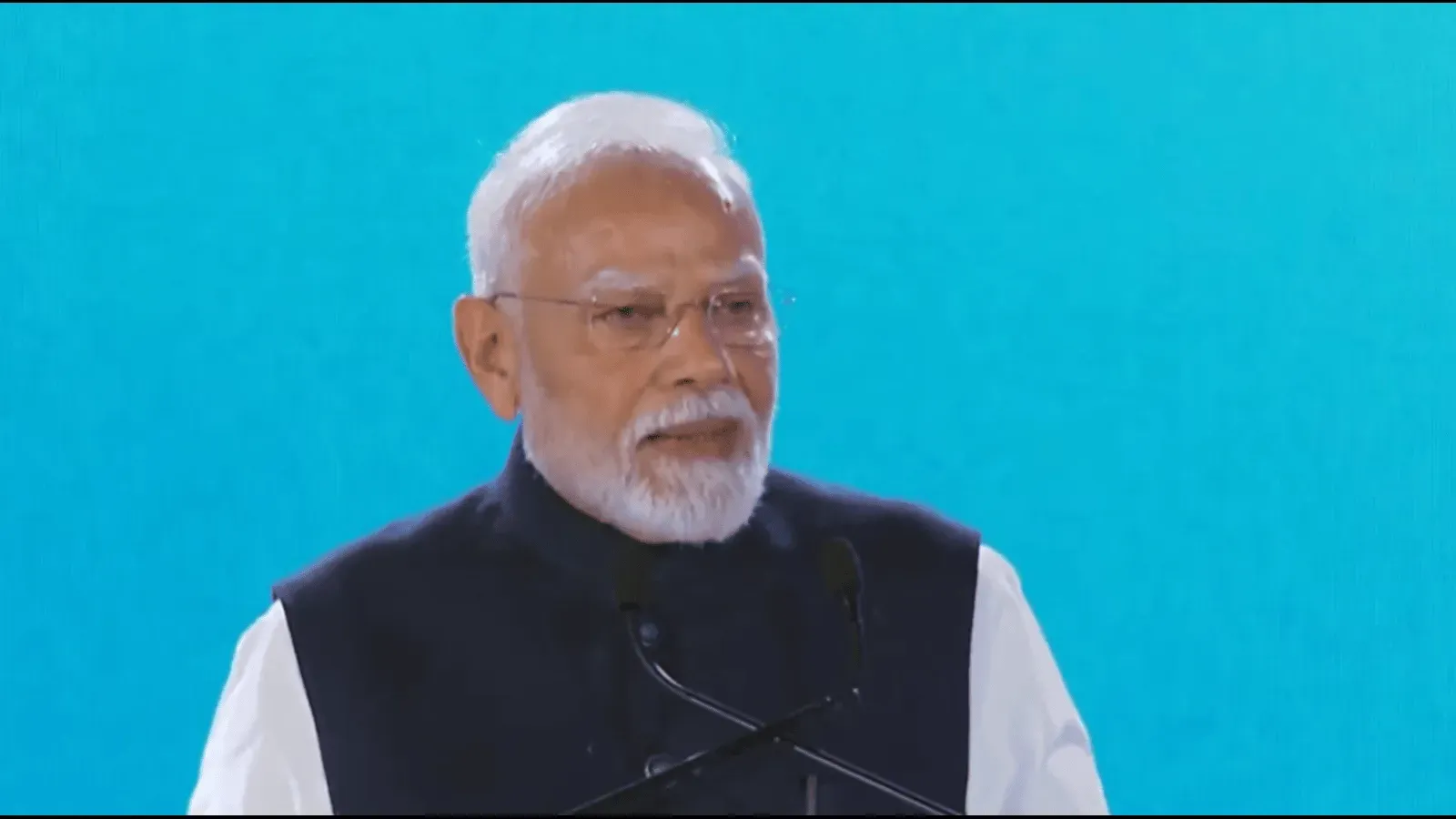
Prime Minister Narendra Modi stated that India does not seek to grow at the expense of other countries but aims to grow together with the world. Speaking at the Bloomberg New Economy Forum in New Delhi, he presented India as a reliable and stable partner amid global challenges where trade and technology are increasingly used as tools of geopolitical pressure.
- India offers affordable medicines and is a major supplier of generic drugs globally.
- The country has developed strong digital public infrastructure and expertise in digital payments.
- India supplied vaccines to over 100 countries during the COVID-19 pandemic.
- More than 250,000 startups operate in India, with nearly half based in smaller cities and towns.
- India's renewable energy capacity has increased significantly since 2014.
- Economic reforms like the Goods and Services Tax and labor code consolidation support growth.
How does India view its role in global growth?
PM Modi emphasized that India wants to grow with the world, not at anyone's cost. He pointed out that global supply chains, critical minerals, energy, payment systems, and technology are increasingly becoming tools of pressure and dominance. India offers reliability and stability in this context, aiming to empower others through technology, innovation, and economic strength.
What are India's key strengths highlighted by PM Modi?
India is a leading supplier of affordable generic medicines, providing one out of every five generic medicines used worldwide. The country has developed advanced digital public infrastructure, including digital payments and digital identity systems. India also has a skilled workforce supporting over 2,000 global capability centers. Additionally, India has a robust vaccine manufacturing sector, which played a crucial role during the COVID-19 pandemic by supplying vaccines to more than 100 countries.
How is India's startup ecosystem contributing to its growth?
India's startup ecosystem has grown to over 250,000 startups, with nearly half located in small cities and towns. This growth supports innovation and economic development beyond major urban centers, creating new opportunities and contributing to poverty reduction.
What progress has India made in energy and economic reforms?
India's renewable energy capacity has increased from about 75 gigawatts in 2014 to approximately 300 gigawatts. Economic reforms such as the implementation of the Goods and Services Tax, the Insolvency and Bankruptcy Code, and the consolidation of 29 labor laws into four labor codes have strengthened the business environment. These reforms are pursued out of conviction to empower growth rather than compulsion.
What recent economic indicators did PM Modi share?
India recorded a growth rate of 7.8% in the April-June quarter. The current account deficit declined to 0.61% of GDP last year, indicating improved economic stability. These figures reflect India's ongoing economic strength and resilience.
How does India plan to use its growth for global benefit?
PM Modi stated that India's power lies not only in advancing itself but also in enabling others to progress. The country aims to contribute to solving global challenges by sharing its capabilities and resources, ensuring that growth benefits the world rather than serving narrow interests.
Frequently Asked Questions
Q: What is India's approach to global economic growth?
A: India seeks to grow alongside the world, promoting cooperation and stability rather than competing at others' expense.
Q: How significant is India's role in vaccine manufacturing?
A: India has a strong vaccine manufacturing sector and supplied vaccines to over 100 countries during the COVID-19 pandemic.
Q: What reforms has India implemented to support economic growth?
A: India has introduced the Goods and Services Tax, the Insolvency and Bankruptcy Code, and consolidated labor laws to create a more efficient business environment.
Q: How large is India's startup ecosystem?
A: India has more than 250,000 startups, with nearly half based in smaller cities and towns, fostering innovation across the country.
Q: What progress has India made in renewable energy?
A: Renewable energy capacity in India has grown from around 75 gigawatts in 2014 to about 300 gigawatts today.