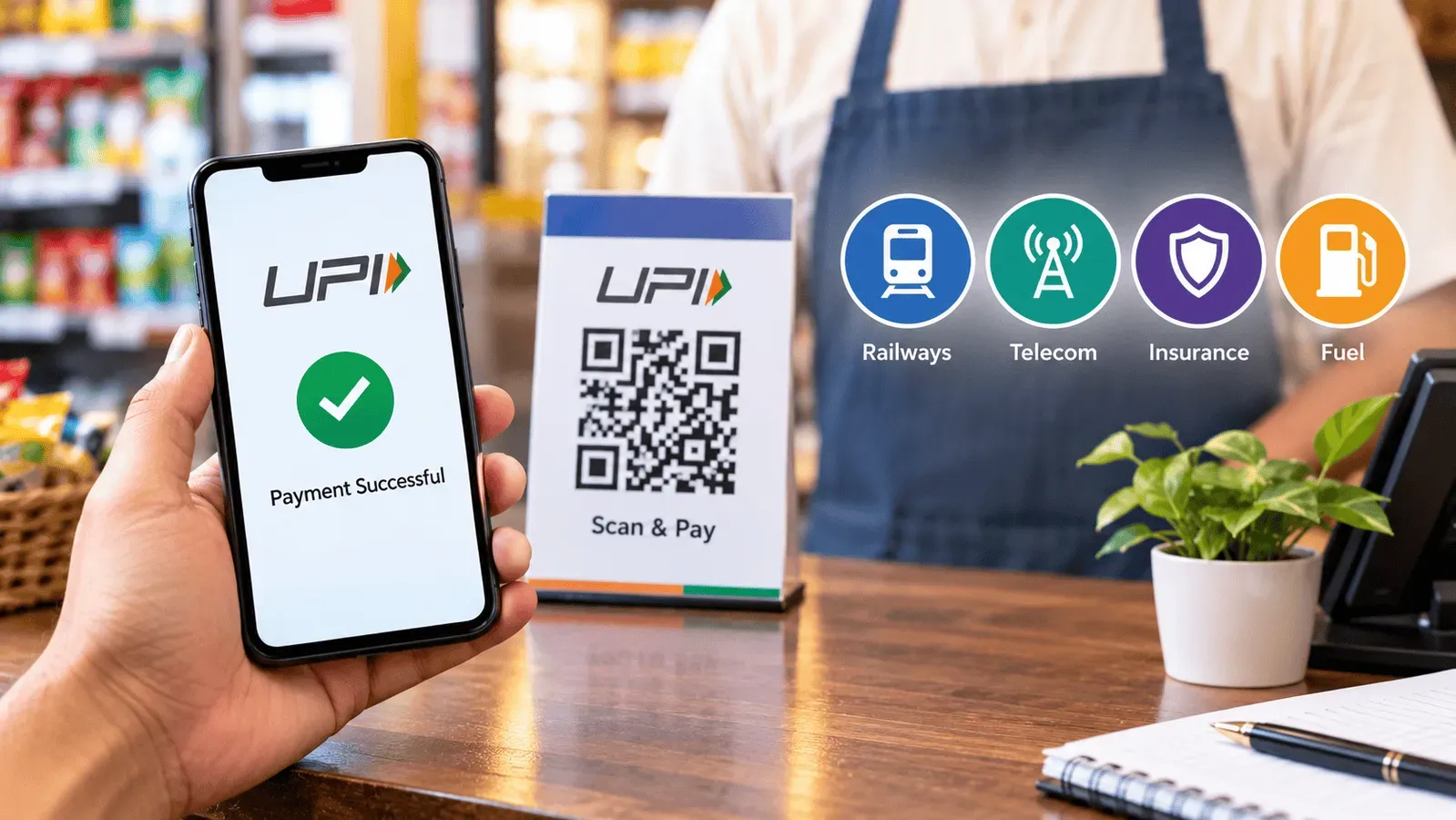
The National Payments Corporation of India (NPCI) has decided to delay the implementation of the merchant discount rate (MDR) on certain Unified Payments Interface (UPI) transactions. Originally planned to start on October 15, the new MDR framework will now be introduced after the Diwali festival. This postponement aims to minimize disruption during the festive season and ensure a smoother transition for merchants and consumers alike.
What is the Merchant Discount Rate (MDR)?
The Merchant Discount Rate, or MDR, is a fee charged to merchants for processing digital payments. When a customer pays using UPI or other digital payment methods, merchants typically pay a small percentage of the transaction amount as MDR to payment service providers. This fee helps cover the costs of maintaining payment infrastructure and services.
Why Did NPCI Postpone the MDR Implementation?
NPCI announced the deferment to avoid inconvenience during the busy Diwali period, a time when digital transactions usually increase significantly. By delaying the MDR introduction, NPCI aims to give merchants and consumers more time to prepare for the changes and adapt to the new payment framework.
How Will the New MDR Framework Affect Consumers?
According to NPCI, most consumers will remain largely unaffected by the new MDR charges. The fees will primarily impact merchants who accept payments via UPI for certain types of transactions. Consumers can continue to use UPI for payments without any immediate changes to their experience or additional costs.
What Transactions Will the MDR Apply To?
The MDR will apply to select UPI transactions, particularly those involving merchants. This includes payments made for goods and services where the merchant is registered to accept UPI payments. The exact categories and rates of MDR have been defined by NPCI but were not detailed in the announcement about the deferment.
What Are the Benefits of Introducing MDR on UPI Transactions?
- Sustainability: MDR helps cover the costs of maintaining and upgrading the UPI payment infrastructure.
- Encourages Responsible Usage: Charging MDR on merchant transactions encourages efficient use of digital payment systems.
- Supports Payment Ecosystem: Fees collected contribute to the growth and security of digital payments in India.
What Should Merchants and Consumers Do Now?
Merchants should use the additional time before the MDR implementation to understand the new fee structure and adjust their pricing or accounting accordingly. Consumers can continue using UPI as usual without worrying about immediate changes or extra charges.
Frequently Asked Questions
Q: When will the MDR on UPI transactions be implemented?
A: The implementation has been postponed until after the Diwali festival, with no specific new date announced yet.
Q: Will consumers have to pay extra fees for UPI transactions?
A: No, most consumers will not be affected by the MDR charges. The fees apply mainly to merchants.
Q: Why is MDR important for digital payments?
A: MDR helps cover operational costs and supports the sustainability and security of payment systems like UPI.
Q: How can merchants prepare for the MDR implementation?
A: Merchants should review the MDR rates and plan their pricing strategies to accommodate the new fees once implemented.