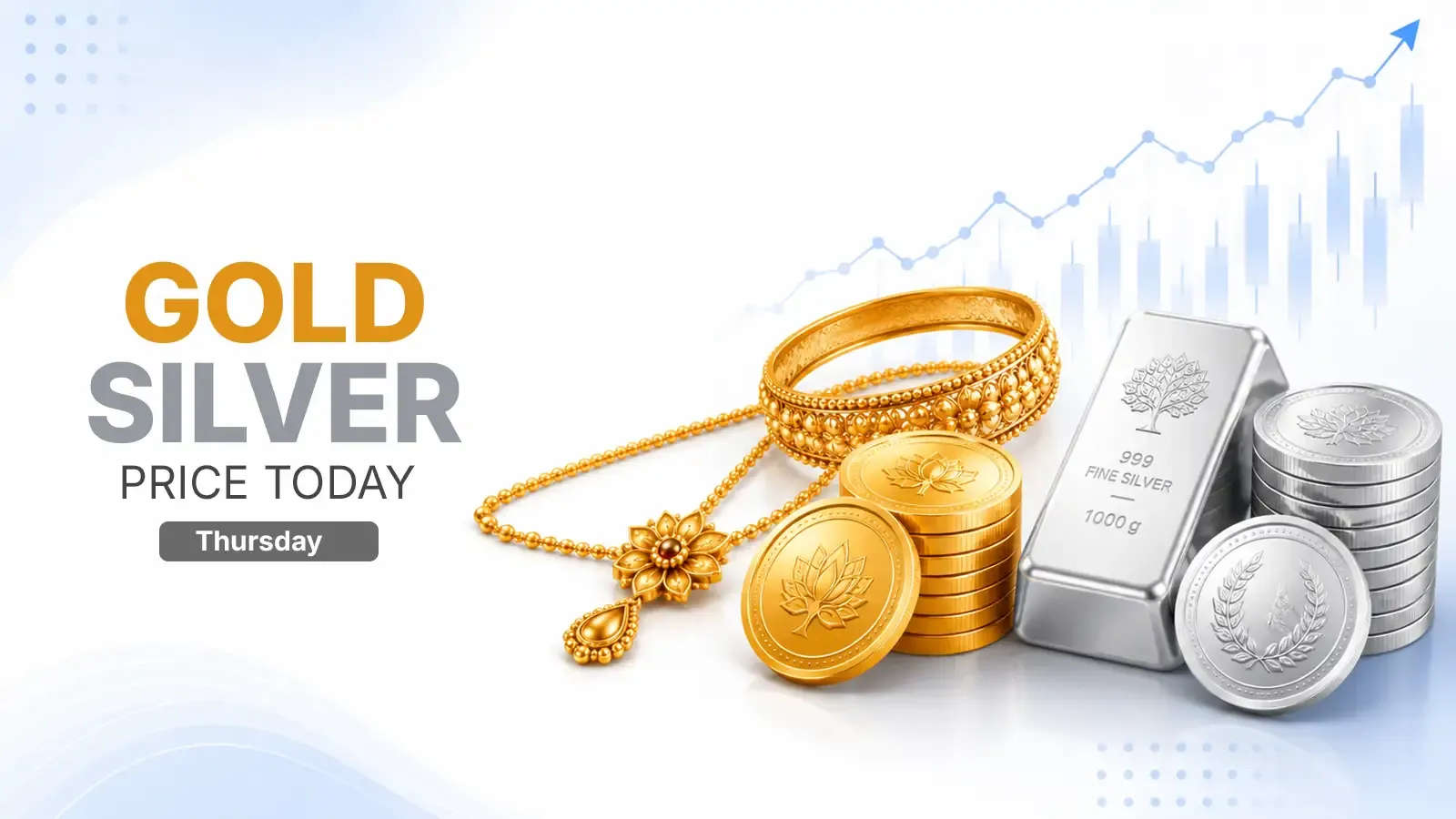
Gold and silver prices increased on October 15, 2026, after falling in the previous session. This rebound brings precious metals back into focus as many consumers prepare for festive-season shopping. Understanding the latest rates and knowing how to shop wisely can help buyers make better decisions during this important time.
- Gold prices rose nearly 1% to ₹1,47,540 per 10 grams.
- Silver prices increased by 0.5% to ₹2,09,380 per kilogram.
- Making charges, GST, and other fees affect the final purchase price.
- Verify purity through BIS hallmark and HUID details before buying.
- Compare quotations and bills from multiple retailers for the best deal.
What Are the Latest Gold and Silver Prices?
On October 15, 2026, gold prices rose by 0.99% to ₹1,47,540 per 10 grams according to India Bullion Rates. Specifically, 24-carat gold was priced at ₹1,47,680 per 10 grams, up ₹1,590 or 1.09%. Silver prices increased by 0.50% to ₹2,09,380 per kilogram.
On the Multi Commodity Exchange (MCX), December 4 gold futures rose 1.22% to ₹1,47,626 per 10 grams, while silver futures gained 0.66%, trading near ₹2.10 lakh per kilogram. These figures indicate a short-term recovery after recent price declines.
What Factors Influence Gold and Silver Prices?
Several factors affect precious metal prices in India. These include currency fluctuations, geopolitical developments, domestic demand, and global economic indicators such as US inflation data. Expectations about the Federal Reserve's interest rate decisions also contribute to market volatility.
Because of these influences, daily price movements can be unpredictable. A single day’s gain does not guarantee a continuing upward trend, so consumers should avoid relying solely on short-term market changes when planning purchases.
How Should Shoppers Prepare for Festive Season Purchases?
For festival shoppers, setting a clear budget is essential. Buyers should compare itemized bills carefully, as the displayed gold rate does not include making charges, GST, or other fees that affect the final cost.
Verifying the purity of jewellery is crucial. Look for the Bureau of Indian Standards (BIS) hallmark and HUID details to ensure authenticity. Always ask for a proper invoice that lists the jewellery’s weight, purity, and price.
What Should You Know When Exchanging Old Jewellery?
If you plan to exchange old jewellery, inquire how the jeweller calculates its value. This includes purity testing, deductions for stones, and any other applicable reductions. Comparing offers from multiple retailers can help you get the best value.
Is Jewellery a Good Investment?
Jewellery often holds personal value, but it is important to remember that making charges and resale deductions can reduce the amount recovered upon selling. Investors should carefully evaluate financial products related to gold, considering costs, liquidity, taxation, and risks separately from jewellery purchases.
Frequently Asked Questions
Q: Why did gold and silver prices rebound on October 15?
A: Prices rose due to market corrections after recent declines, influenced by factors such as inflation data and expectations about interest rates.
Q: What should I check before buying gold jewellery?
A: Verify the purity through BIS hallmark and HUID, compare itemized bills including making charges and GST, and ensure you receive a proper invoice.
Q: How do making charges affect the final price?
A: Making charges are additional fees for crafting jewellery and vary by retailer, impacting the total cost beyond the gold rate.
Q: Is jewellery a reliable investment?
A: Jewellery has personal and aesthetic value but may not always be the best financial investment due to making charges and resale deductions. Consider other gold-related financial products for investment purposes.