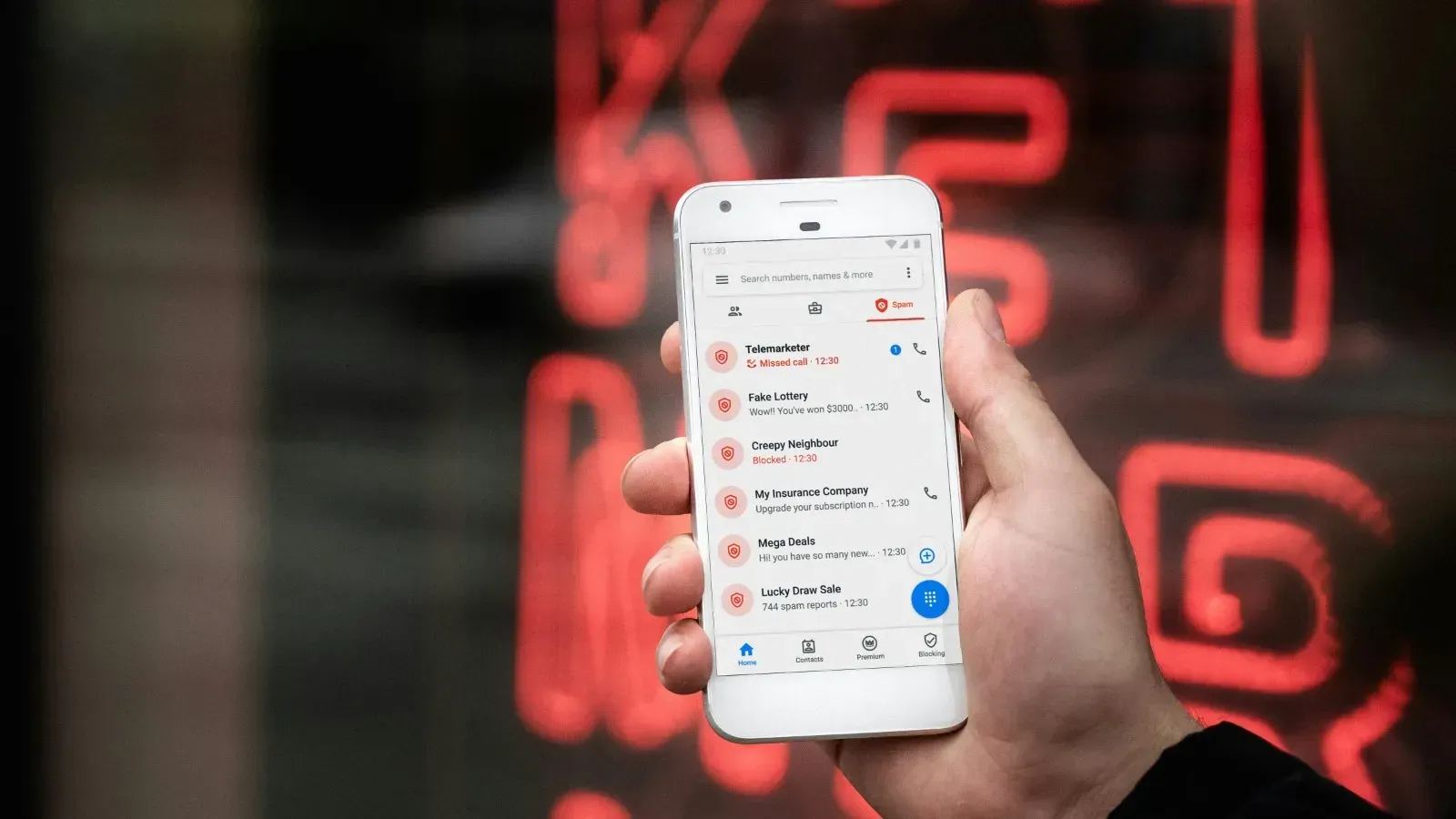
Starting November 1, 2026, telecom users on 4G and higher-generation wireless networks will see the caller's name along with the phone number on incoming calls. This new Caller Name Display service will be provided automatically, without needing any separate request from users.
- The service applies initially to 4G and higher wireless networks.
- Caller names will display for domestic calls from numbers not saved in contacts.
- International calls from unknown numbers will show "International Call".
- Telecom providers must maintain a secure database linking phone numbers to caller names.
- Users can request preferred business names to display, subject to verification.
What is the Caller Name Display service?
The Caller Name Display service allows users to see the caller's name along with the phone number when they receive a call. This helps users identify who is calling before answering.
Which networks will support this service initially?
The service will first be available on wireless terrestrial networks using 4G and higher-generation technologies. Implementation on 2G, 3G, and public switched telephone networks will be considered separately in the future.
Will users need to request this service?
No, the service will be provided automatically to all users on supported networks without requiring any separate request.
How will the caller's name be displayed?
If the caller's number is saved in the recipient's contact list, the saved name will appear. For domestic calls from numbers not saved in contacts, the caller's registered name will be shown. For international calls from unknown numbers, the display will read "International Call."
How do telecom providers manage caller name information?
Telecom operators must establish, operate, and maintain a secure database that maps each phone number to the caller's name. When a call comes in, the receiving operator retrieves the caller's name from this database to display it.
What security measures protect caller identity information?
Operators must follow a "security-by-design" approach. This means the system ensures that caller name information is not retained after the call ends. Networks and databases must be equipped to handle queries quickly and securely.
Can businesses display a preferred name instead of the registered name?
Yes, telecom providers may allow business or bulk connection users to display a preferred name, such as a registered trademark or trade name. The operator will verify these names before allowing them to appear on calls.
How can existing users update their preferred caller names?
Operators will set up a process for users to apply for preferred names. After proper verification, these names can be updated in subscriber records.
What about users who want to keep their caller identity private?
Subscribers who have opted for the Calling Line Identification Restriction (CLIR) facility, which blocks caller identity display, will not have their names shown.
How will user complaints be handled?
Telecom service providers must establish mechanisms to receive and resolve user grievances related to the Caller Name Display service promptly and within a set timeframe.