State Bank of India (SBI) increased its Marginal Cost of Funds Based Lending Rate (MCLR) by 15 basis points on five loan tenures starting October 15, 2026. This change may lead to higher loan EMIs for borrowers with loans linked to these MCLR tenures.
- SBI raised MCLR rates on five tenures by 15 basis points.
- One-year MCLR increased from 8.70% to 8.85%.
- Three-year MCLR increased from 8.80% to 8.95%.
- Overnight and one-month MCLR rates remain unchanged.
- Loan EMI impact depends on loan terms and reset dates.
- SBI Chairman expects no immediate rise in fixed deposit rates.
What is MCLR and why did SBI raise it?
MCLR stands for Marginal Cost of Funds Based Lending Rate. It is the minimum interest rate at which banks can lend to customers. The rate reflects the bank's cost of raising funds and other expenses.
SBI raised its MCLR rates following the Reserve Bank of India's (RBI) decision to increase the repo rate by 25 basis points. This move affects the cost of borrowing for loans linked to the MCLR benchmark.
Which MCLR tenures were increased by SBI?
SBI increased MCLR rates by 15 basis points on five tenures, including the important one-year and three-year rates. Specifically, the one-year MCLR rose from 8.70% to 8.85%, and the three-year MCLR went up from 8.80% to 8.95%. However, the overnight and one-month MCLR rates remain unchanged.
Will my loan EMI increase due to the MCLR hike?
Not all borrowers will see an immediate increase in their EMIs. The impact depends on several factors such as the loan's benchmark rate, outstanding balance, remaining tenure, and the interest rate reset date.
Loans linked to the affected MCLR tenures may experience higher interest costs when their rates reset. Borrowers should check their loan agreements to understand when their interest rates will be revised.
How does SBI's MCLR hike compare with other banks?
SBI's revision is part of a broader trend in the banking sector following the RBI's repo rate hike. Other banks like Punjab National Bank and Bank of Baroda have also increased their lending rates in October 2026.
Will fixed deposit rates increase along with lending rates?
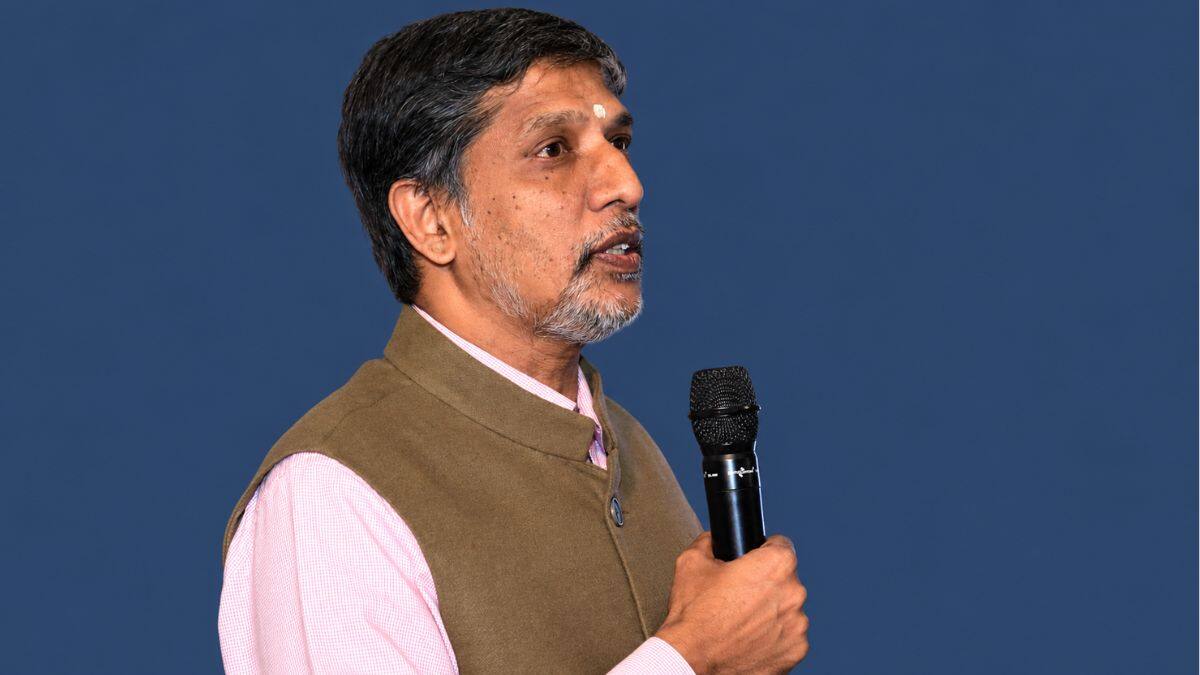
SBI Chairman C S Setty has indicated that banks are unlikely to raise fixed deposit (FD) rates in the next two to three months. This is due to surplus liquidity in the banking system, which keeps deposit rates low despite higher lending rates.
FD investors may need to wait longer for better returns, as higher lending rates do not immediately translate into higher deposit rates.
Frequently Asked Questions
Q: What does a 15 basis point increase mean for my loan?
A: A 15 basis point increase means the interest rate on your loan could rise by 0.15%, which may increase your EMI depending on your loan terms.
Q: Does the MCLR hike affect all SBI loans?
A: No, only loans linked to the MCLR tenures that were increased will be affected. Loans linked to overnight or one-month MCLR remain unchanged.
Q: When will my loan EMI change after the MCLR hike?
A: Your EMI will change when your loan's interest rate resets, which depends on your loan agreement's reset date.
Q: Will fixed deposit rates increase soon?
A: According to SBI Chairman C S Setty, fixed deposit rates are unlikely to increase in the next two to three months due to surplus liquidity.