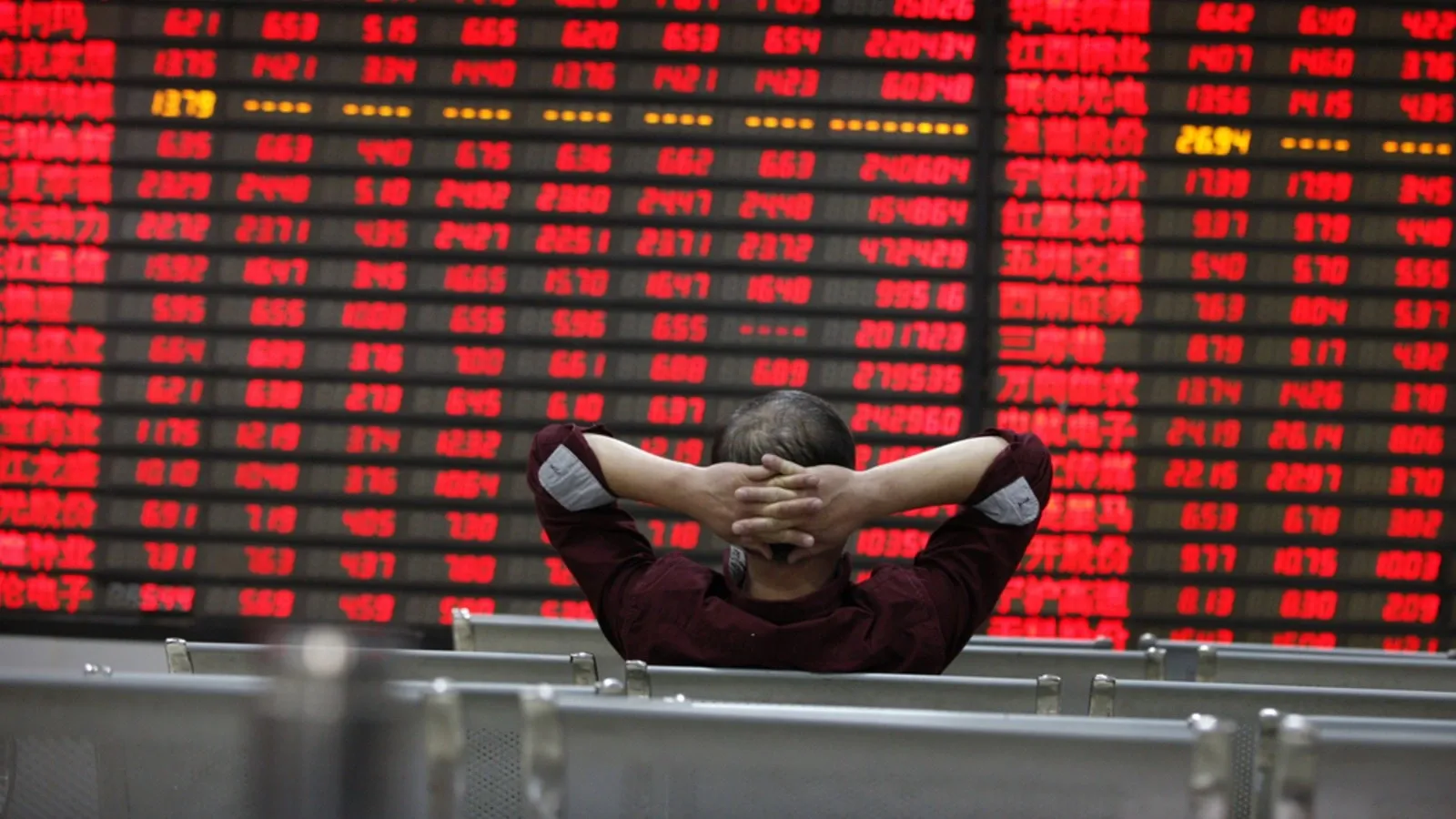
US stock markets are expected to open lower on October 15, 2026, as futures for the S&P 500 and Nasdaq indicate a gap-down start. This reaction comes amid concerns over elevated wholesale inflation data and rising crude oil prices, which are influencing investor sentiment.
- S&P 500 futures are down 0.29%, signaling a negative open.
- Nasdaq 100 futures have fallen 1.24%, pointing to a significant drop.
- Dow Jones futures are up 0.50%, suggesting a positive start for that index.
- Wholesale inflation rose by 6.3% in September 2026, the largest increase since December 2022.
- Investors are also focused on upcoming corporate earnings reports.
Why are S&P 500 and Nasdaq futures indicating a lower open?
The S&P 500 and Nasdaq futures are trading lower due to concerns about the latest wholesale inflation data. The Producer Price Index (PPI) for September showed a 6.3% increase compared to the previous year, marking the highest rise since December 2022. This higher-than-expected inflation suggests that costs for producers are increasing, which can eventually lead to higher prices for consumers.
Additionally, elevated crude oil prices and rising Treasury yields are contributing to market uncertainty. These factors increase costs for businesses and can reduce profit margins, leading investors to be cautious.
What is the significance of the wholesale inflation data?
The wholesale inflation data, measured by the Producer Price Index, reflects the average change over time in the selling prices received by domestic producers for their output. A 6.3% increase in September 2026 is significant because it indicates rising costs at the production level, which often precedes increases in consumer prices.
This data is closely watched by investors and policymakers because persistent inflation can lead to tighter monetary policies, such as interest rate hikes by the Federal Reserve. Such actions can affect borrowing costs and overall economic growth.
How did the markets perform on October 14, 2026?
On October 14, 2026, US markets declined as investors reacted to higher-than-expected Consumer Price Index (CPI) inflation data. The Dow Jones Industrial Average closed slightly lower by 0.09% at 51,621.48 points. The S&P 500 index dropped 1.1% to 7,718.94 points, and the Nasdaq 100 index fell 2.02% to 29,950.82 points.
These declines reflect concerns that persistent inflation may prompt the Federal Reserve to raise interest rates again at its next Federal Open Market Committee (FOMC) meeting. Higher interest rates can slow economic growth and reduce corporate profits, which often leads to lower stock prices.
What should investors watch moving forward?
Investors are closely monitoring upcoming corporate earnings reports, as these will provide insights into how companies are managing inflationary pressures and rising costs. Earnings results can influence market direction by showing whether businesses are maintaining profitability despite economic challenges.
Additionally, future inflation data and Federal Reserve policy decisions will remain key factors affecting market performance. Investors should stay informed about these developments to understand potential impacts on the stock market.