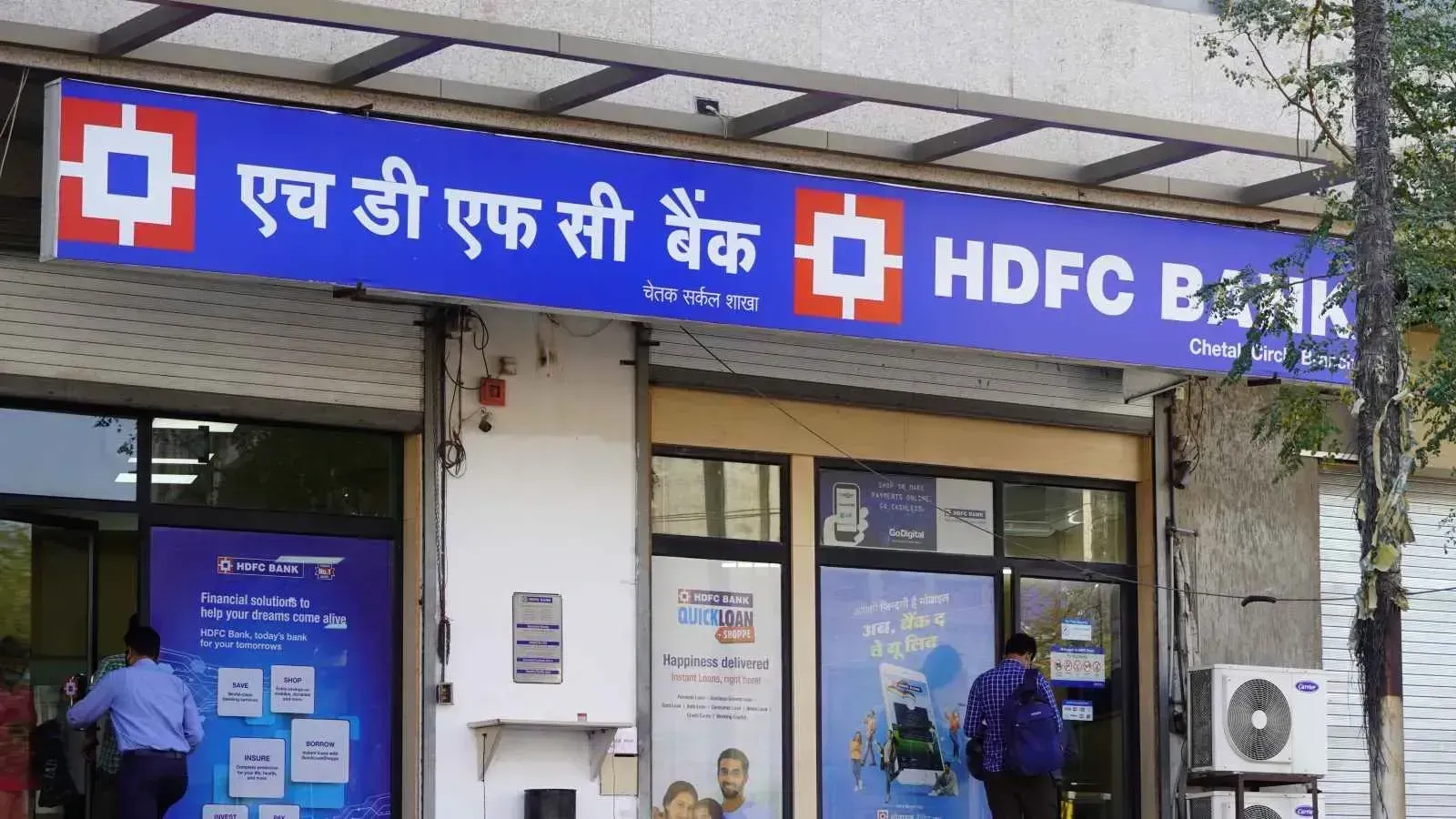
Mutual fund companies have recently stopped accepting fresh investments in gold-backed exchange-traded funds (ETFs), according to multiple media reports. This decision was communicated to unit holders on Thursday, just before the festive season when gold buying is traditionally high in India. Despite the halt in new investments, the prices of gold ETFs have remained largely unchanged, trading close to their indicative net asset values (iNAVs).
- Mutual fund houses like Kotak Mahindra, UTI, and HDFC have paused fresh subscriptions in gold ETFs.
- Redemptions from gold ETFs are still allowed without restrictions.
- Gold ETF prices continue to trade near their net asset values.
- The move may increase demand for physical gold during the festive season.
- The government has urged citizens to reduce gold purchases to save foreign exchange.
What are Gold ETFs and why are investments halted?
Gold ETFs are investment funds that track the price of domestic gold. They allow investors to gain exposure to gold prices without physically holding the metal. However, mutual fund houses have temporarily stopped accepting fresh investments in these funds. The exact reason for this halt has not been officially disclosed by the asset management companies (AMCs). It is speculated that the move is related to the upcoming festive season, a time when gold buying traditionally increases in India.
Which mutual fund houses have stopped fresh investments?
According to reports, major mutual fund houses including Kotak Mahindra Mutual Fund, UTI Mutual Fund, and HDFC Mutual Fund have issued notices to their unit holders informing them about the suspension of new investments in gold ETFs. This suspension applies to bulk subscriptions, but investors can still redeem their existing units without any restrictions.
How have gold ETF prices reacted to the halt?
Despite the suspension of fresh investments, gold ETF prices have remained stable. For example, Goldbees traded at ₹119 per unit, which is very close to its indicative net asset value of ₹119.1 per unit. Other gold ETFs such as Tatagold, GoldiETF, Goldcase, HDFCGOLD, and Gold1 also traded near their respective iNAVs. This stability contrasts with last year’s rally when gold ETFs experienced wild price swings and deviations from their net asset values due to high demand.
What could be the impact on physical gold demand?
The halt in digital investments in gold ETFs may lead to increased demand for physical gold, especially during the festive season when buying gold is considered auspicious in India. This situation comes at a time when Prime Minister Narendra Modi has urged citizens to stop purchasing gold for one year to reduce the country's foreign exchange outflow. If investors shift their focus from ETFs to physical gold, it could influence gold prices and demand patterns in the market.
Are there any restrictions on redeeming gold ETFs?
No, there are currently no restrictions on redeeming units from gold ETFs. Investors who already hold gold ETF units can continue to sell or redeem them as usual. The halt only applies to new investments or subscriptions.