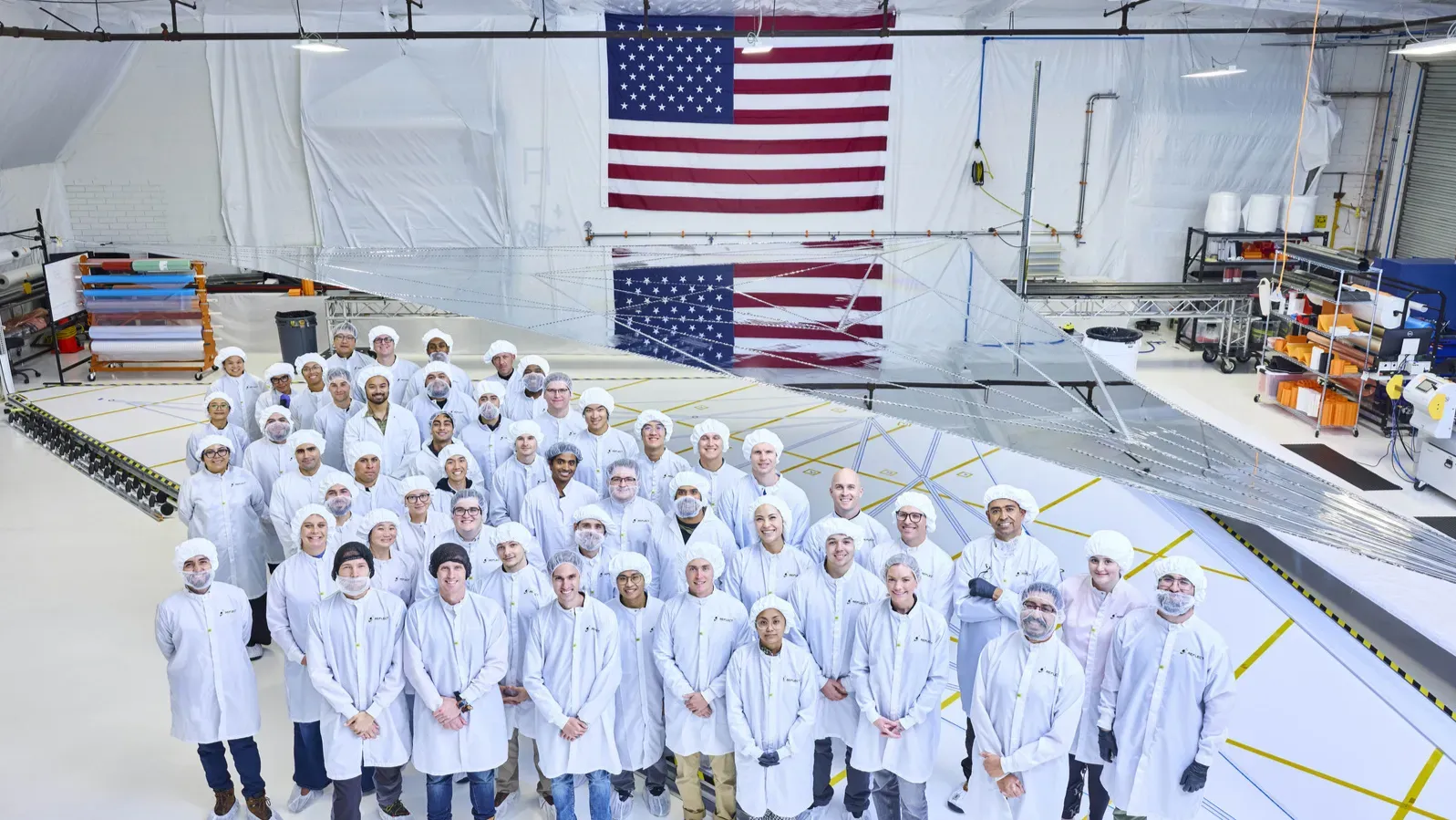
Skyroot Aerospace, an Indian private space company, will launch satellites for Reflect Orbital, a US start-up, to reflect sunlight onto Earth during nighttime. This project aims to provide on-demand sunlight, which can extend solar power generation and help illuminate disaster zones for search-and-rescue operations.
- Reflect Orbital signed a contract with Skyroot Aerospace for two satellite launches.
- The launches will use Skyroot's Vikram-1 and Vikram-1U rockets.
- Satellites will deploy orbital mirrors to reflect sunlight to specific locations on Earth.
- The technology supports solar farms and emergency response efforts.
- Environmental concerns have been raised about the impact of artificial nighttime light.
What is the partnership between Skyroot Aerospace and Reflect Orbital?
Reflect Orbital, based in California, has contracted Skyroot Aerospace, headquartered in Hyderabad, India, for two dedicated satellite launches. These satellites will carry orbital mirrors designed to reflect sunlight onto selected areas on Earth during the night. The first launch will use the Vikram-1 rocket, and the second will use the upcoming Vikram-1U rocket, which features enhanced performance.
How will the satellites provide sunlight at night?
The satellites will deploy large mirrors in orbit that reflect sunlight down to Earth. This controlled lighting can brighten specific locations without requiring infrastructure on the ground. The reflected light can help solar farms generate power for longer periods and assist emergency teams by illuminating disaster zones during nighttime operations.
What are the benefits of this technology?
This technology offers several advantages:
- Extended solar power: By providing light during night hours, solar farms can increase their energy output.
- Disaster relief support: Search-and-rescue teams can operate more effectively with additional illumination in affected areas.
- Remote lighting: Locations without existing infrastructure can receive targeted light when needed.
What challenges or concerns exist regarding this project?
Some environmental groups have raised concerns about the impact of artificial light at night. They argue that bright beams could disturb wildlife, interfere with astronomical observations, and disrupt human circadian rhythms. These concerns have led to calls for regulatory review of the satellite permissions granted by the US Federal Communications Commission.
What is the significance of this launch for Skyroot Aerospace?
This contract represents a new international commercial partnership for Skyroot Aerospace. The company recently achieved a major milestone by successfully launching its Vikram-1 rocket into orbit, marking progress for India's private space sector. The upcoming Vikram-1U rocket will have improved capabilities, including additional boosters.
How are the companies addressing regulatory and community concerns?
Reflect Orbital has obtained a license from the US Federal Communications Commission to operate its first spacecraft. The company plans to continue engaging with astronomers, local communities, and regulators to address concerns and ensure responsible expansion of its operations.
Frequently Asked Questions
Q: What is the purpose of the satellites launched by Skyroot Aerospace?
A: The satellites will carry mirrors that reflect sunlight to Earth at night, providing additional light for solar power generation and emergency response.
Q: What rockets will be used for these launches?
A: The first launch will use the Vikram-1 rocket, and the second will use the Vikram-1U rocket, which is currently under development.
Q: Are there any environmental concerns with this technology?
A: Yes, some environmental groups worry that artificial nighttime light could affect wildlife, astronomy, and human health.
Q: How is Skyroot Aerospace contributing to India's space sector?
A: Skyroot Aerospace is a private Indian company that recently achieved orbit with its Vikram-1 rocket, marking a significant milestone for private space ventures in India.