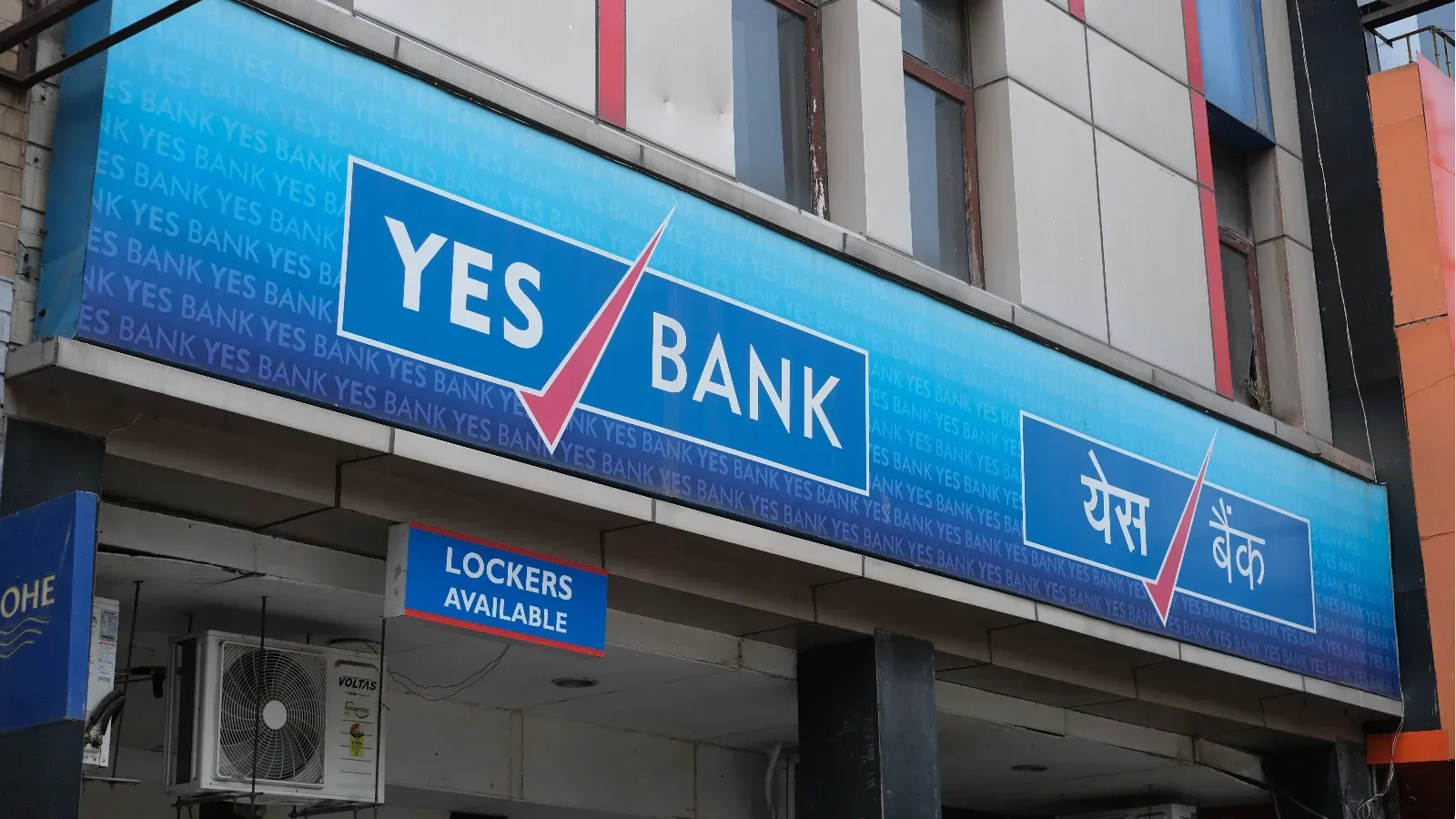
YES Bank shares fell about 17% over two days before the bank's Q2 FY27 earnings announcement on October 17, 2026. This drop followed a Supreme Court ruling that challenged the bank's ₹8,415 crore write-off of Additional Tier-1 (AT-1) bonds. Investors are focused on how this ruling affects the bank's capital and future profits.
- The Supreme Court upheld a decision to reverse the 2020 AT-1 bond write-off.
- The ruling may require YES Bank to restore bonds and pay accrued interest.
- Investors watch for the impact on capital adequacy, net worth, and earnings.
- Fund managers have paused some investments in YES Bank bond funds.
- Q2 results will be analyzed for loan growth, asset quality, and capital strength.
What Did the Supreme Court Decide About YES Bank's AT-1 Bonds?
The Supreme Court confirmed the Bombay High Court's ruling that the 2020 write-off of YES Bank's ₹8,415 crore AT-1 bonds was invalid. This means the bank may have to reinstate these bonds and pay the interest that accrued since the write-off. The decision raises questions about the bank's financial position and how it will handle this liability.
How Could This Ruling Affect YES Bank's Financial Health?
The bond amount is large compared to YES Bank's profits. Restoring the bonds and paying interest could reduce the bank's capital and net worth. This might also affect earnings and require the bank to raise more capital or take other measures to stay financially strong. The exact impact depends on accounting treatments and management decisions.
What Are Investors and Fund Managers Doing in Response?
Some fund managers, including Kotak Mahindra Mutual Fund and Nippon Life India Asset Management, have paused new investments in funds holding YES Bank AT-1 bonds. These actions reflect caution about bond valuations and potential risks. However, there is no broad suspension of investments in YES Bank shares themselves.
What Will Investors Look for in YES Bank's Q2 FY27 Results?
Investors will closely examine key indicators such as net interest income (NII), net interest margin (NIM), deposit and loan growth, asset quality, and provisions for bad loans. They will also listen carefully to management's comments on funding costs, credit quality, and capital adequacy. These factors will show whether the bank's core business is strong enough to handle the legal and financial challenges.
How Might YES Bank Report the Financial Impact of the Ruling?
According to reports, YES Bank could face a one-time loss of around ₹5,300 to ₹5,400 crore due to the ruling. The bank is deciding whether to include this adjustment in the September quarter results or defer it to the next quarter. Management's disclosures about this issue will be critical for investors to understand the bank's future outlook.
Frequently Asked Questions
Q: What are Additional Tier-1 (AT-1) bonds?
A: AT-1 bonds are a type of debt that banks issue to strengthen their capital base. They can be written off or converted to equity if the bank faces financial stress.
Q: Why did YES Bank write off these bonds in 2020?
A: The write-off was part of a restructuring plan during financial difficulties, aiming to improve the bank's capital position.
Q: What does the Supreme Court ruling mean for bondholders?
A: The ruling suggests bondholders may be entitled to have their bonds reinstated and receive accrued interest, reversing the previous write-off.
Q: Should investors buy YES Bank shares now?
A: This article is for informational purposes only and not investment advice. Investors should consult financial advisors before making decisions.