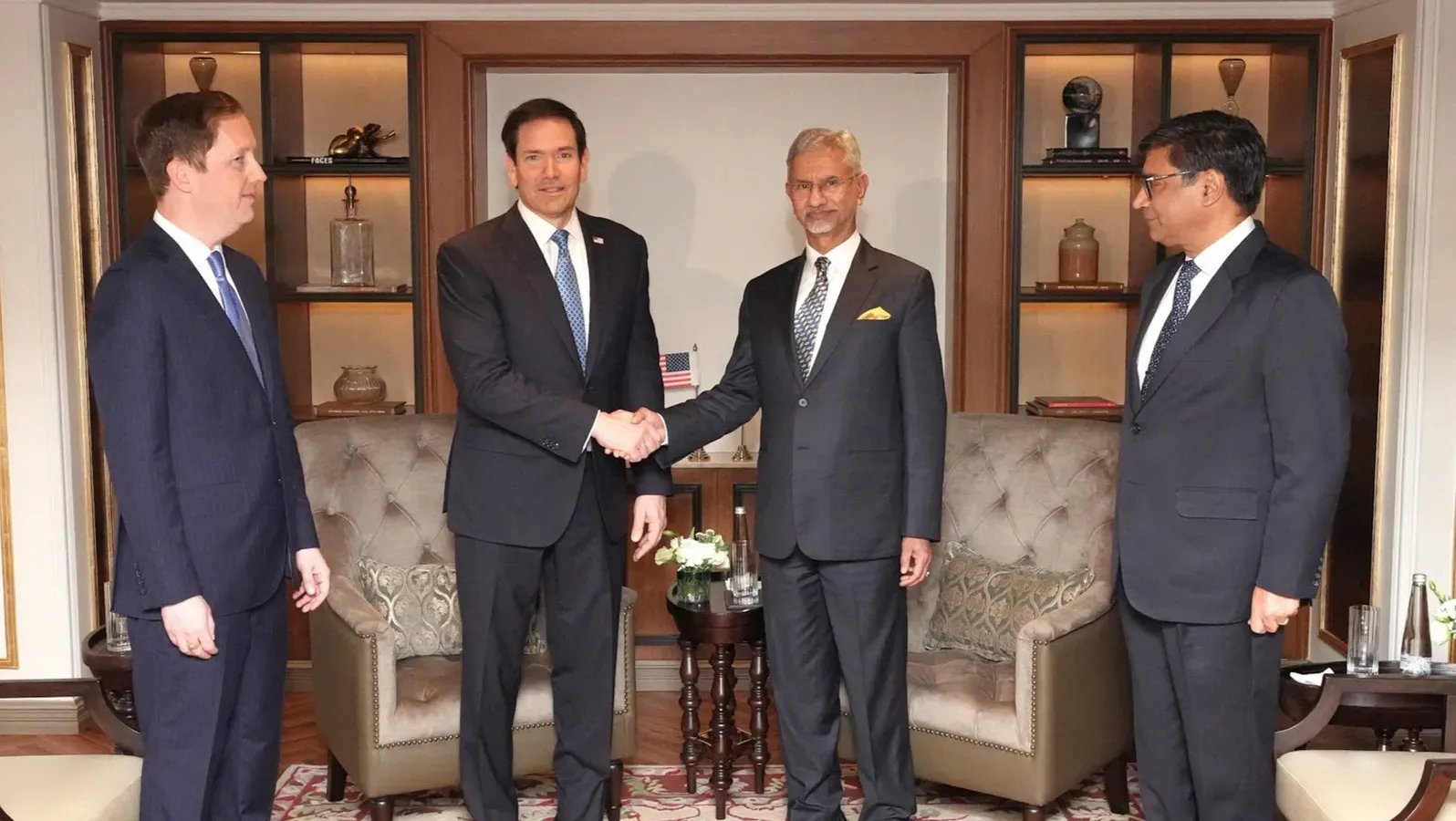
The India-US trade agreement is very close to being finalised, with only a few technical details left to resolve, according to US Secretary of State Marco Rubio. He expects an announcement within weeks, followed by a possible signing by the leaders of both countries.
- The trade deal is nearly complete, awaiting resolution of minor technical issues.
- Both countries aim to announce the agreement soon and have their leaders sign it.
- The agreement will improve trade relations and offer competitive advantages to Indian exporters.
- Discussions also covered energy, defence, technology, and regional issues.
- India seeks to diversify its energy sources, with the US playing a key role.
What is the current status of the India-US trade agreement?
US Secretary of State Marco Rubio stated that the trade agreement between India and the United States is "incredibly close" to completion. Only a small number of technical details remain to be worked out. Both sides need to ensure that the language of the agreement is clear and mutually understood before finalising it. Rubio expects that the announcement of the agreement could happen within weeks, not months, and that the leaders of both countries may sign the pact shortly thereafter.
Who is involved in the negotiations?
While Marco Rubio is closely following the discussions, the direct negotiations are being handled by the US Trade Representative. Indian officials, including External Affairs Minister Subrahmanyam Jaishankar and Commerce and Industry Minister Piyush Goyal, are also actively involved. The two countries have been working together since announcing a framework for the first phase of the trade agreement earlier in the year.
What are the benefits of the trade deal for India?
The agreement aims to provide Indian exporters with preferential tariffs compared to competitors from countries like Bangladesh, Vietnam, Thailand, and others. This would improve the price competitiveness of Indian goods in the US market. Commerce Minister Piyush Goyal mentioned that the execution of the agreement is awaiting a competitive advantage for Indian exporters to ensure swift implementation.
How does the agreement relate to energy and defence cooperation?
During their meeting, Rubio and Jaishankar discussed expanding cooperation beyond trade to include energy, technology, defence, and people-to-people ties. Rubio highlighted the importance of increased energy trade with the US to help diversify India's supply chains and meet its large consumer demand. He also praised progress in bilateral defence and civil nuclear cooperation and encouraged increased purchases of US technologies and systems.
What is India's approach to energy diversification?
India is actively working to reduce its dependence on Russian energy supplies. Rubio acknowledged India's substantial progress in diversifying its energy sources and noted that the US can be a significant energy supplier. Discussions included other countries like Venezuela, where some Indian companies hold oil concessions. Rubio emphasized that energy security is closely linked to national security and economic stability.
What challenges remain in finalising the trade agreement?
Both countries must agree on the precise language of the agreement to ensure mutual understanding and benefit. Finance Minister Nirmala Sitharaman noted that negotiations are ongoing and that both sides might have reached a point where further concessions are difficult. However, there is still hope that both countries will find room to operate and finalise the deal.
Why is the India-US trade agreement important?
The United States is India's largest export destination and second-largest trading partner. In 2025, India's goods exports to the US were valued at about $87.3 billion, with bilateral goods trade totaling nearly $141 billion. A sustainable trade agreement will secure better terms for both countries and strengthen their long-term economic relationship.
Frequently Asked Questions
Q: When is the India-US trade agreement expected to be announced?
A: The announcement is expected within weeks, with a signing by the leaders possibly following soon after.
Q: What are the main areas covered by the India-US discussions besides trade?
A: Discussions also include energy cooperation, technology, defence, and regional and global issues.
Q: How will the trade deal benefit Indian exporters?
A: The deal aims to provide preferential tariffs, improving the competitiveness of Indian goods in the US market compared to other countries.
Q: What role does energy diversification play in India-US relations?
A: Energy trade is seen as transformative for India's supply chains and economic stability, with the US being a key partner in diversifying India's energy sources.
Q: Are there any remaining obstacles to finalising the trade deal?
A: Yes, both countries need to agree on technical details and precise language to ensure the agreement is beneficial and sustainable for both sides.