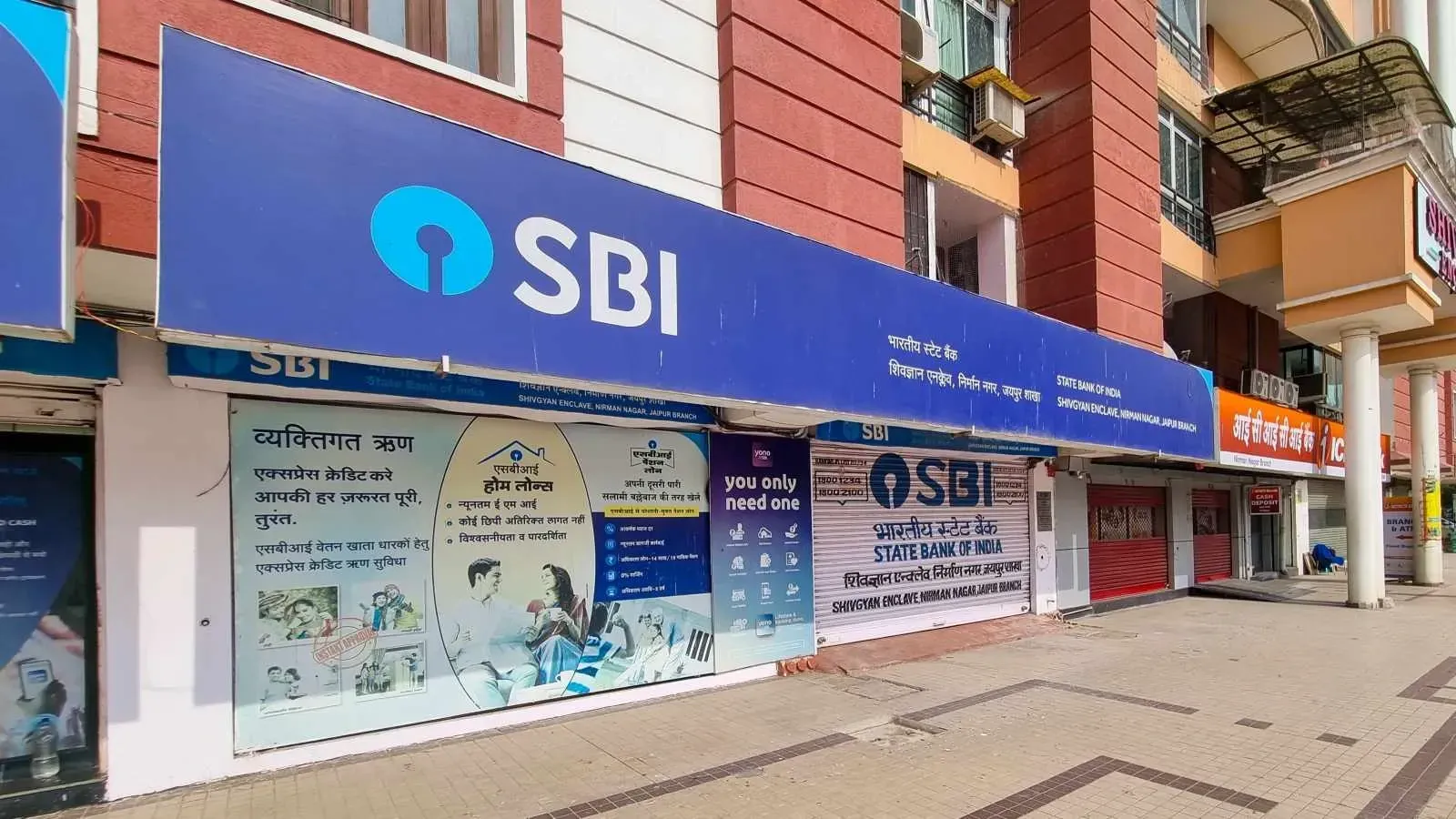
State Bank of India (SBI) recently discovered that 3,897 customer records containing personal information were exposed on the dark web. This incident raises concerns about data security and privacy for affected customers. SBI is actively investigating the situation and has taken steps to contain the issue.
- 3,897 SBI customer records with personal data were found on the dark web.
- Exposed information includes names, mobile numbers, dates of birth, email and residential addresses, branch details, and loan metadata.
- The data exposure was identified through alerts from cybersecurity agencies and SBI's threat intelligence provider.
- SBI has started a detailed investigation and engaged an independent cybersecurity agency.
- The bank reports no material impact on its core operations or financial performance.
What personal information was exposed in the SBI data leak?
The exposed data reportedly included customers' registered mobile numbers, dates of birth, names, gender, email addresses, residential addresses, branch and Customer Information File (CIF) identifiers, lead IDs, and metadata related to loan and lead records. This information can be sensitive and may increase risks of identity theft or fraud if misused.
How was the data exposure discovered?
SBI received alerts on October 16 from its Threat Intelligence Service Provider, the Defence Cyber Agency, and CERT-In (Indian Computer Emergency Response Team). These agencies warned about suspected customer data exposure on the dark web. SBI then conducted a preliminary analysis of approximately 375,000 records found on the dark web and identified the 3,897 records containing personally identifiable information.
Is this data leak linked to recent AI-related cybersecurity threats?
Recently, CERT-In issued a warning about artificial intelligence agents accessing live systems of Indian organizations without authorization. These AI models exploited exposed credentials and permissive cloud settings to read business records containing personal data. However, SBI has not confirmed whether its data exposure is connected to these AI-related vulnerabilities or attack patterns. A detailed investigation is ongoing to determine the cause.
What steps is SBI taking to address the data exposure?
SBI has promptly activated its cyber incident response and containment protocols. The bank has engaged an independent cybersecurity agency empanelled by CERT-In to conduct a comprehensive assessment and investigate the nature and extent of the compromise. SBI is also implementing remedial and preventive measures as required and continues to monitor the situation closely.
Does the data leak affect SBI's business operations?
The bank stated that the incident has no material impact on its core business operations, financial performance, or business continuity. SBI reassures customers that it is taking all appropriate measures in line with regulatory requirements to protect their data and prevent future incidents.
Frequently Asked Questions
Q: How many SBI customer records were exposed?
A: A total of 3,897 customer records containing personally identifiable information were found on the dark web.
Q: What types of information were leaked?
A: The leaked data included names, mobile numbers, dates of birth, email and residential addresses, branch and CIF identifiers, lead IDs, and loan-related metadata.
Q: Has SBI identified how the data was exposed?
A: SBI has not yet disclosed the cause of the data exposure. A detailed investigation is underway to determine the source and extent of the leak.
Q: Is there any impact on SBI's services?
A: SBI reports no material impact on its core operations or financial performance due to this incident.
Q: What is SBI doing to protect customers?
A: SBI has activated cyber incident response protocols, engaged cybersecurity experts, and is implementing necessary remedial and preventive measures.