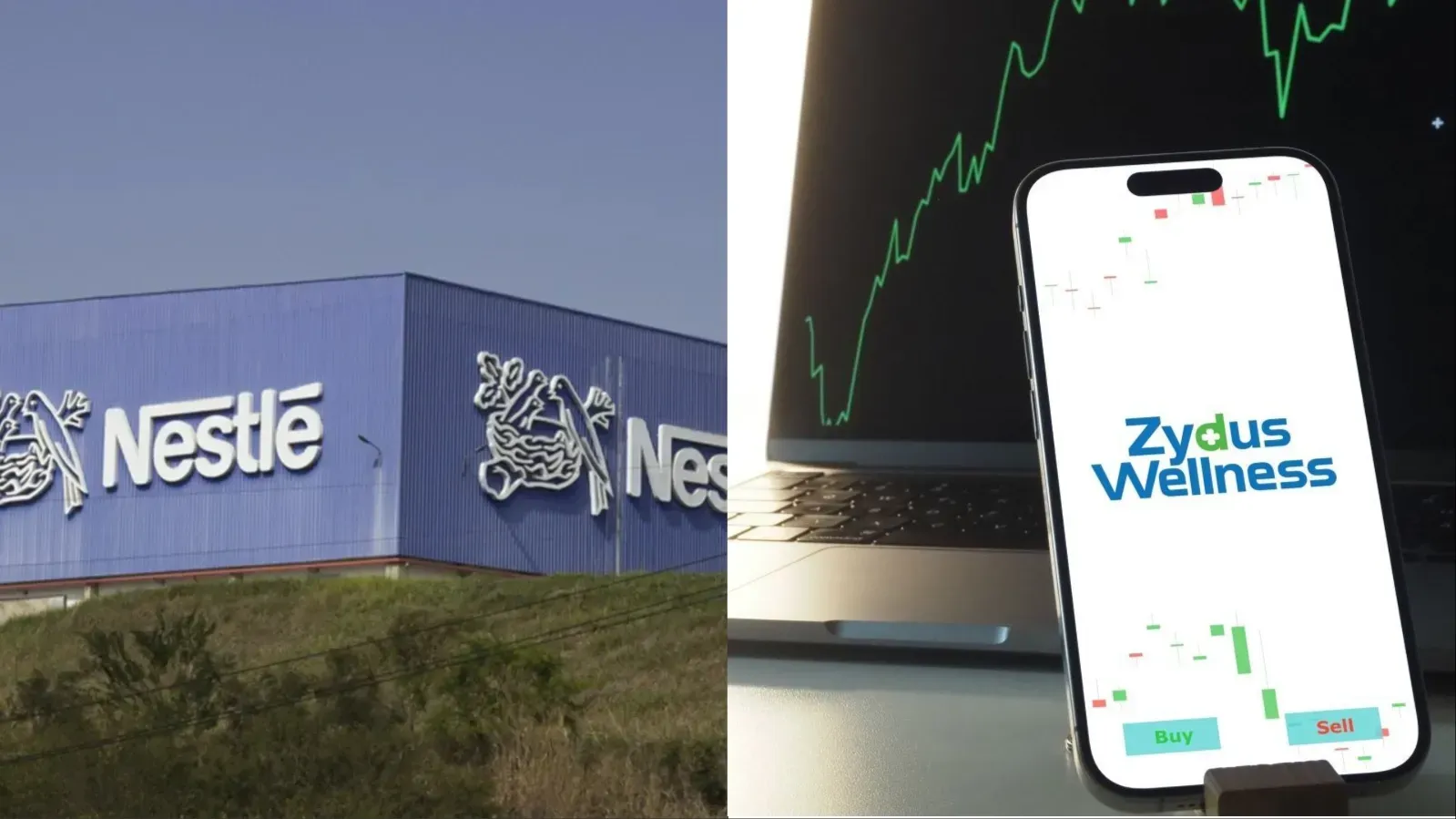
The Food Safety and Standards Authority of India (FSSAI) has issued notices to Zydus Wellness Products Ltd and Nestle India regarding certain claims made on their products, including Complan, Lactogen Pro 1, and NAN Excella Pro Stage 1. The regulator has asked these companies to provide scientific evidence supporting their advertisements, which include statements about faster growth, improved concentration and memory, immune system benefits, and whey protein digestibility.
- FSSAI flagged claims such as "2X Faster Growth" and "Pro Immunity+ 34 Vital Nutrients" on Complan.
- Scientific proof is required for Nestle's claims about whey protein digestibility and immune support in infant formulas.
- The regulator also issued notices to an Instagram influencer and four companies for allegedly illegal promotion of infant milk substitutes.
What claims did FSSAI challenge on Complan products?
FSSAI raised concerns over several claims on Complan, including "2X Faster Growth," "Supports Concentration and Memory," and "Pro Immunity+ 34 Vital Nutrients." These claims appeared both on product labels and online listings, often accompanied by images of children. The regulator found these claims violated the Food Safety and Standards (Advertising and Claims) Regulations, 2018, and requested scientific justification for statements such as "GROW TALLER, FASTER. CLINICALLY PROVEN 2X GROWTH" and "Growth Comes in 4 Flavors."
Why did FSSAI question Nestle India's infant formula claims?
FSSAI sought scientific substantiation for claims made on Nestle India's Lactogen Pro 1 and NAN Excella Pro Stage 1 products. For Lactogen Pro 1, the claim that it contains whey protein, described as "a part of milk protein that is easy to digest," was questioned. Regarding NAN Excella Pro Stage 1, the claim "5 HMOs helps support normal immune system" was flagged because it could imply suitability for supporting the immune system, which is considered a physiological condition. Such claims are not allowed unless specifically permitted under applicable regulations. The regulator also requested evidence supporting the whey protein digestibility claim on the product's packaging and advertising materials.
What actions has FSSAI taken against social media promotions?
FSSAI issued notices to Instagram influencer Ira Fathima and four companies—Abbott Healthcare, Nestle India, Nutricia International, and Mead Johnson Nutrition—for allegedly illegal advertising and promotion of infant milk substitutes on social media. The influencer posted a "Top 5" list recommending infant formula products, attributing benefits like balanced nutrition, stronger immunity, brain development, and easy digestion. The regulator stated that this promotion violated the Infant Milk Substitutes Act, 1992, as amended in 2003, and the Food Safety and Standards (Foods for Infant Nutrition) Regulations, 2020, which govern advertising, marketing, and promotion of such products.
What are the next steps for the companies involved?
FSSAI has directed Zydus Wellness and Nestle India to provide scientific evidence supporting their claims within a stipulated period. The companies must explain why action should not be taken against them under the Food Safety and Standards Act, 2006, and related rules and regulations. Failure to comply could lead to legal proceedings and penalties.
Frequently Asked Questions
Q: Why did FSSAI issue notices to Zydus Wellness and Nestle?
A: The regulator found that some claims on their products were misleading and lacked scientific evidence, violating food advertising regulations.
Q: What kind of claims were challenged?
A: Claims about faster growth, improved concentration and memory, immune system support, and whey protein digestibility were questioned.
Q: What laws regulate advertising of infant formula products in India?
A: The Infant Milk Substitutes Act, 1992 (amended in 2003), and the Food Safety and Standards (Foods for Infant Nutrition) Regulations, 2020, set rules for advertising and promotion of infant milk substitutes.
Q: What happens if companies fail to provide scientific evidence?
A: FSSAI may initiate legal action under the Food Safety and Standards Act, which can include penalties and product recalls.