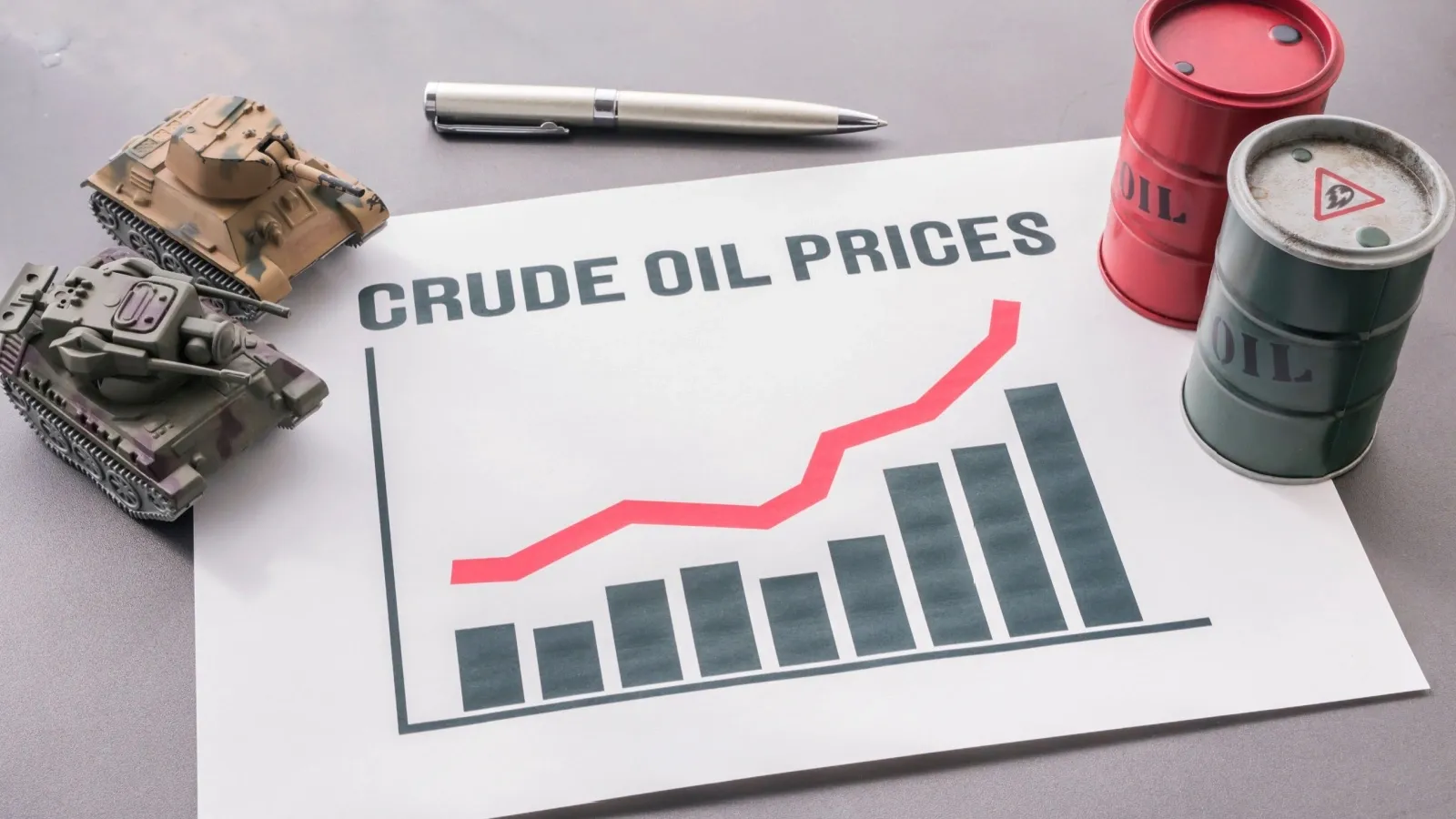
Brent crude oil prices rose sharply to $112 per barrel, marking a four-month high as tensions in the Middle East escalated. This increase reflects concerns about potential supply disruptions amid regional conflicts and military actions.
- Brent crude futures surged nearly 2% to $112 per barrel.
- US-Iran military tensions and attacks on Saudi Arabia intensified supply fears.
- Oil supply from the Strait of Hormuz has returned to pre-conflict levels.
- Saudi Arabia's oil exports reached their highest since March, increasing by 7.9% in August.
- Despite supply stabilization, refined oil product exports remain limited.
- Crude oil prices have increased over 50% in three months after a steep decline earlier in the year.
Why did Brent crude prices jump recently?
The recent surge in Brent crude prices is mainly due to escalating tensions in the Middle East. Reports indicate that the US may conduct a short, intensive military operation against Iran following the upcoming US mid-term elections. Additionally, attacks by Houthi rebels on Saudi Arabia's oil infrastructure, including the Shaybah oil field, have raised concerns about supply disruptions.
How have Middle East conflicts affected oil supply?
Despite the heightened tensions and attacks, the crude oil supply through the Strait of Hormuz has returned to levels seen before the conflicts began. Saudi Arabia's oil exports also increased by 7.9% in August, reaching their highest point since March. This stabilization has helped ease some fears about immediate supply shortages.
What impact do these price changes have on the global market?
Crude oil prices fell to a low of $70 per barrel in July 2026, a drop of over 37% from previous highs. However, prices have rebounded by nearly 53% in the last three months due to renewed geopolitical risks. This volatility raises concerns about stagflation—where inflation rises while economic growth slows—in countries heavily dependent on oil imports.
Are there ongoing risks despite supply stabilization?
Yes. While crude oil supply has stabilized, exports of refined oil products remain constrained. Continued attacks and military tensions in the region could disrupt these supplies, maintaining uncertainty in the oil markets.
Frequently Asked Questions
Q: What caused the recent attacks on Saudi Arabia's oil fields?
A: The Houthi rebels from Yemen have intensified attacks on Saudi Arabia, including strikes on the Shaybah oil field and an airport, as part of ongoing regional conflicts.
Q: How has the US responded to Middle East tensions?
A: The US has reportedly planned a possible military operation against Iran after mid-term elections and has ordered non-governmental employees and families to leave Saudi Arabia for safety reasons.
Q: What is the significance of the Strait of Hormuz in oil supply?
A: The Strait of Hormuz is a critical chokepoint for global oil shipments. Stability in oil flow through this passage is essential to prevent major disruptions in global oil supply.