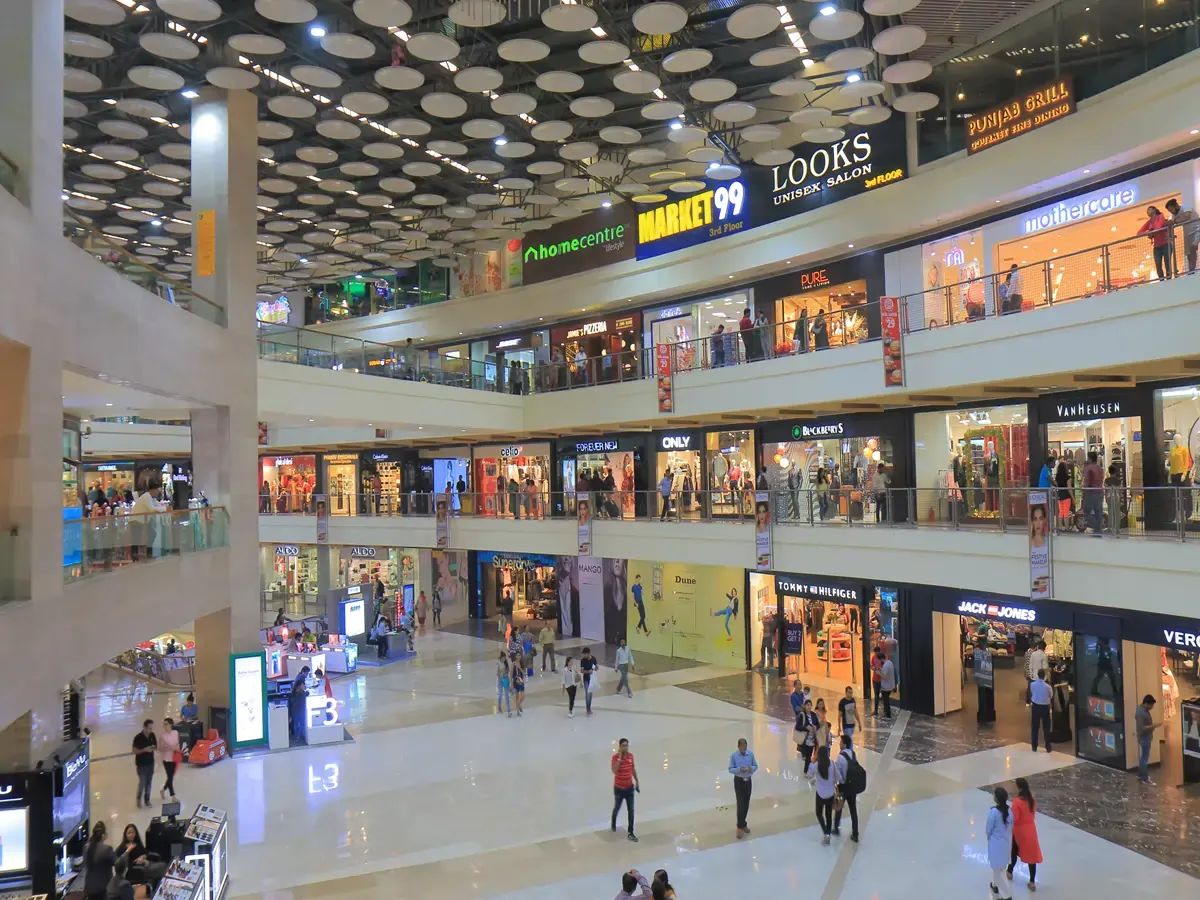
Urban India is preparing for Diwali with smaller budgets this year. Households plan to spend about ₹20,000 on the festive season, which is less than last year. Total urban festive spending is expected to fall 6% to ₹1.97 lakh crore. Despite shoppers still participating actively, they are buying fewer expensive items and using savings or EMIs to pay. This cautious spending is driven by rising inflation and higher prices on goods like smartphones and jewellery.
- Total urban festive spending in 2026 is expected to be ₹1.97 lakh crore, down 6% from 2025.
- About 31% of households do not plan any discretionary festive purchases this year.
- Online sales volumes are growing, but average order values are 7–8% lower than last year.
- Smartphone volumes are expected to fall 12%, while prices have increased by 21%.
- More shoppers are using no-cost EMIs and dipping into savings to pay for purchases.
- Retail inflation has risen for 11 months, with food inflation at 7.74% in September 2026.
- Rising gold and silver prices have led to cautious spending on jewellery.
- Households prioritize financial security, with many saving extra income or repaying debt.
Why Is Urban India Spending Less This Diwali?
Several factors explain why urban households are tightening their festive budgets. Inflation has increased steadily, with retail inflation reaching 5.54% in September 2026 and food inflation at 7.74%. The Reserve Bank of India (RBI) expects inflation to peak around 6% during the October–December quarter, coinciding with the festive season. Higher prices mean households have less disposable income for celebrations.
Additionally, prices of popular items like smartphones, laptops, and air conditioners have risen. For example, smartphone prices are up 21% compared to last year, partly due to increased memory-chip costs. Jewellery prices have also surged, with gold rising from ₹93,000 per 10 grams in April 2025 to about ₹1.5 lakh in October 2026. These price hikes cause many shoppers to delay purchases or opt for less expensive options.
How Are Consumers Adjusting Their Shopping Habits?
Consumers are still shopping but with smaller baskets and cheaper items. Online sales are increasing in volume but not in value, indicating more orders for lower-priced goods. About half of online orders on value-focused platforms are for items under ₹500.
Many shoppers are using financial tools like no-cost EMIs more frequently. On Amazon India, the share of purchases made with no-cost EMIs rose from 30% last year to about 50% this year. Also, 83% of households planning festive purchases expect to use their savings to pay for them.
Households are prioritizing essentials over non-essentials. According to the RBI's September consumer confidence survey, 90.1% of urban households reported increased spending on essentials, while only about one-third increased spending on non-essential items. More than half of respondents believe the general economic situation has worsened.
What Does This Mean for Retailers and Companies?
Retailers catering to budget-conscious consumers are seeing growth. For example, DMart’s like-for-like sales grew 9.5% in the September quarter, and Zudio expanded to over 1,000 stores with a 23% revenue increase. These stores benefit from shoppers trading down to more affordable products.
Jewellery companies like Titan and Kalyan are experiencing revenue growth, but much of it comes from higher gold prices rather than increased buyer numbers. Electronics brands face challenges as smartphone volumes are expected to decline by 12%, despite a 5% rise in sales value due to price increases.
Overall, companies are relying more on financing options and premium product mixes to maintain growth. However, increased discounting to attract cautious consumers can reduce profit margins, as seen with DMart’s slight decline in EBITDA margin despite higher sales.
What Should We Watch for Next?
Key indicators to follow include the October Consumer Price Index (CPI) data, which will show if inflation peaks near 6% as expected. The RBI’s policy decisions in December and updates on consumer confidence will provide insights into future spending trends.
Festive sales data from research firms will reveal whether average order values continue to shrink and if smartphone volumes fall as forecasted. For retailers, monitoring buyer growth and like-for-like sales will be important to understand the true health of the market.
In summary, urban India’s Diwali spending is more cautious this year due to inflation and rising prices. While money is still being spent, households are counting their budgets carefully, affecting how and what they buy during the festive season.