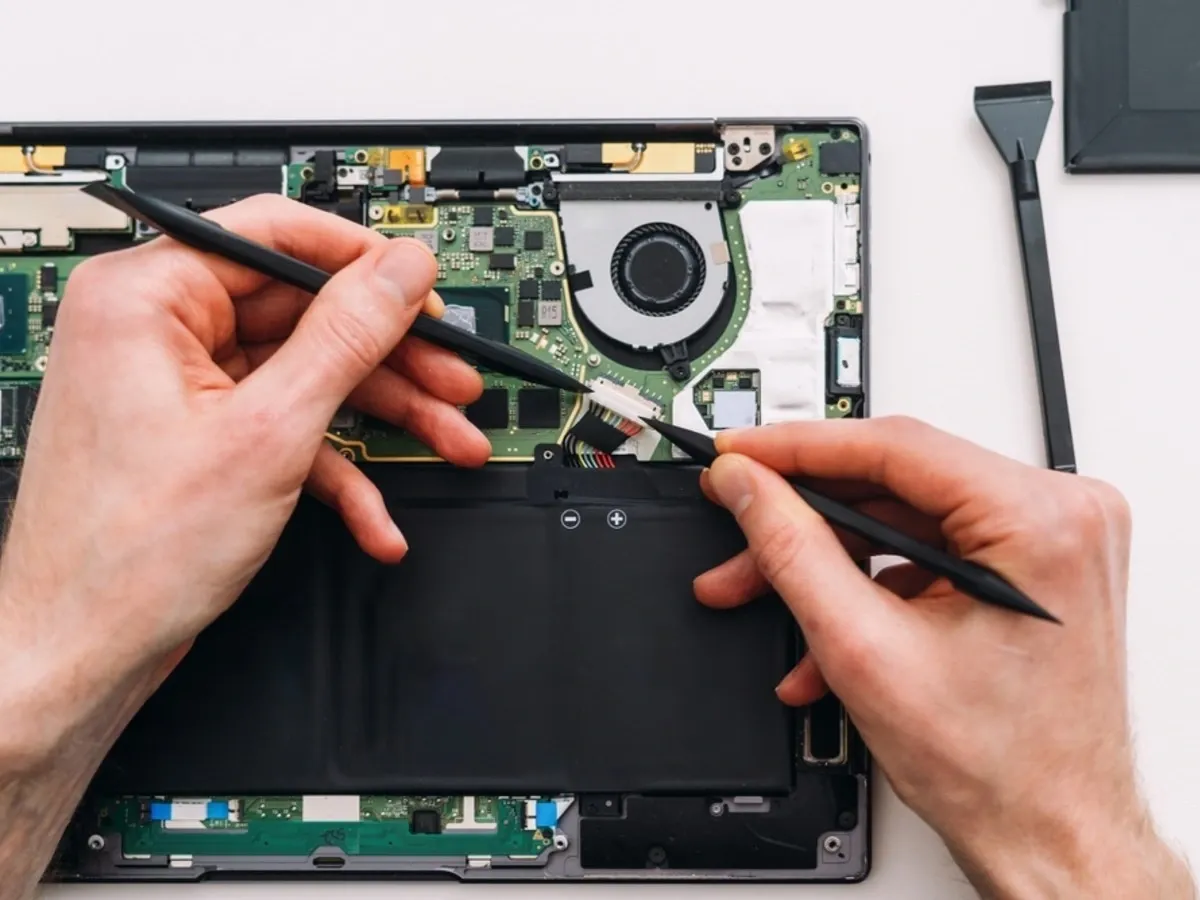
AI data centres are using a huge amount of memory chips, which could make your next phone or laptop more expensive. This is because the supply of memory chips is not growing fast enough to meet the rising demand from AI companies. Experts warn that this shortage might get worse in 2027 and continue beyond 2030, potentially raising prices for many consumers.
- Memory chips are essential for phones, laptops, and cars.
- AI data centres need large amounts of both regular and special high-bandwidth memory.
- Supply growth is slower than demand, causing shortages and price increases.
- Budget phones in India have already seen a 21% price rise in 2026.
- Major chip makers have signed long-term deals with AI companies, limiting availability for others.
- New chip factories will take years to increase supply significantly.
What are memory chips and why are they important?
Memory chips are like a device's workspace and storage. There are two main types: DRAM, which holds data the device is currently using, and NAND flash storage, which saves photos, apps, and files. AI data centres require both types in very large amounts, plus a faster, more expensive version called high-bandwidth memory (HBM) designed specifically for AI chips.
Why is there a shortage of memory chips?
Since the second half of 2025, demand for memory chips has surged, especially from AI data centres. However, the supply is only expected to grow by about 16–17% in 2026, which is much slower than usual. This mismatch causes shortages and pushes prices higher. Leading chip makers like SK hynix, Samsung, and Micron dominate the market, so when they face supply limits, there are few alternatives.
How does this shortage affect consumers?
Higher memory chip prices increase the cost of phones, laptops, and even cars. In India, budget phones have already become 21% more expensive in 2026, leading to a 45% drop in shipments for phones under ₹15,000. Laptop shipments may also decline if brands pass on higher chip costs to buyers. Car manufacturers face increased expenses as well, with memory chip costs rising about 70% compared to the previous year.
Are AI companies causing the shortage?
AI companies are signing multi-year contracts to secure large amounts of memory chips. This guarantees chip makers steady income but reduces the chips available for other industries. By 2027, AI memory will use nearly a third of the production capacity of the top chip makers, up from under a fifth in 2025. This shift limits supply for phones, laptops, and cars.
When will the memory chip supply improve?
Building new chip factories takes several years. For example, Samsung's new plant is expected to start in 2028, SK hynix's new facilities will open in early 2027, and Micron's new plants will come online between mid-2027 and late 2028. Even then, production will increase gradually. Experts expect significant new supply mostly in 2028, but demand may still outpace supply for some time.
What can be done to ease the shortage?
Chip makers are investing billions to expand production, but this takes time. Phone and laptop makers might redesign devices to use less memory or sign long-term contracts to secure supplies. AI companies could also develop more memory-efficient models. However, none of these solutions will provide immediate relief, so higher prices and limited availability may persist for a while.
What does this mean for the future?
The memory chip shortage caused by AI demand is reshaping the market. If buyers continue honoring contracts and demand remains strong, the higher prices and tight supply could last through 2028. However, if orders slow or unsold stock builds up, the market might return to a cycle of booms and busts. For now, consumers and industries should prepare for higher costs and potential delays in device upgrades.