Tonbo Imaging India shares made a strong debut on the National Stock Exchange (NSE), listing at a 66% premium over their initial public offering (IPO) price. The shares started trading at ₹1,160 each on the NSE, compared to the IPO price of ₹700 per share. This significant rise reflects strong investor demand and confidence in the company.
- The IPO was an offer-for-sale (OFS) of 1.22 crore equity shares valued at ₹852.18 crore.
- There was no fresh issue of shares, so the company did not receive any proceeds from the IPO.
- The IPO was oversubscribed by 135.90 times, showing high investor interest.
- Qualified institutional buyers (QIBs) led the bidding with 293.56 times subscription.
- Non-institutional investors subscribed 170.94 times, while retail investors subscribed 31.07 times.
What was the structure of Tonbo Imaging India's IPO?
The IPO consisted solely of an offer-for-sale of 1.22 crore equity shares by promoters and existing shareholders. The total value of these shares was ₹852.18 crore. Since there was no fresh issue component, the company itself did not raise any new capital through this IPO. Instead, the existing shareholders sold their shares to the public.
How did Tonbo Imaging India perform on its listing day?
On October 23, 2026, Tonbo Imaging India shares listed on the NSE at ₹1,160 per share, which is a 65.71% premium over the IPO price of ₹700. On the Bombay Stock Exchange (BSE), the shares listed at ₹1,162, up 66% from the issue price. This strong listing day performance indicates robust market demand and positive investor sentiment toward the company.
What does Tonbo Imaging India do?
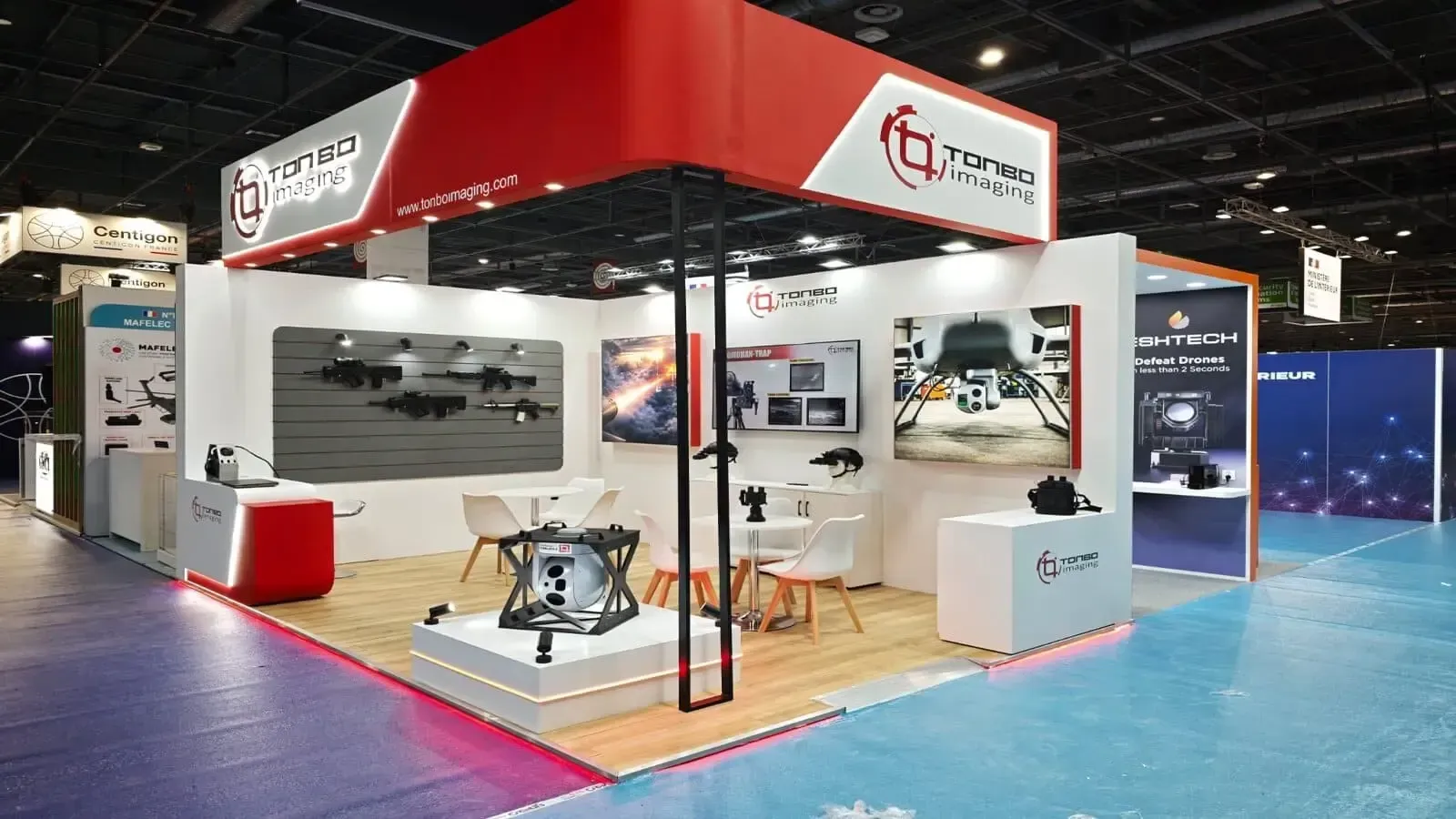
Tonbo Imaging India Ltd is a defence electronics manufacturer that designs, develops, and manufactures sensing, processing, communication, and guidance systems. These systems are used for surveillance, reconnaissance, targeting, and control applications. The company’s products include targeting systems, thermal imaging cores, missile seekers, weapon sights, fire control systems, and missile guidance systems.
Why did Tonbo Imaging India choose an offer-for-sale IPO?
The company’s red herring prospectus stated that the listing of equity shares would enhance visibility and brand image. It would also provide liquidity to existing shareholders and create a public market for the company’s shares in India. Since the IPO was an offer-for-sale, the promoters and existing shareholders sold their shares to the public, but the company did not raise fresh capital.
How was the IPO subscribed?
The IPO attracted massive interest, being subscribed 135.90 times overall. Qualified institutional buyers (QIBs) showed the strongest interest with a subscription rate of 293.56 times. Non-institutional investors subscribed 170.94 times, and retail investors subscribed 31.07 times. This high subscription rate reflects strong confidence in the company’s business and growth prospects.
How much did investors make per lot?
Since the shares listed at a 66% premium over the IPO price, investors who bought at the issue price of ₹700 per share saw significant gains on listing day. For each lot of shares purchased, investors earned a profit proportional to the difference between the listing price and the IPO price. This strong listing gain rewards early investors and highlights the IPO’s success.
What can investors expect from Tonbo Imaging India in the future?
Tonbo Imaging India operates in the defence electronics sector, which is critical for national security and has strong growth potential. The company’s advanced technology products in surveillance and targeting systems position it well for future contracts and expansion. The successful IPO and listing provide the company with increased visibility and a public market for its shares, which can support future growth initiatives.