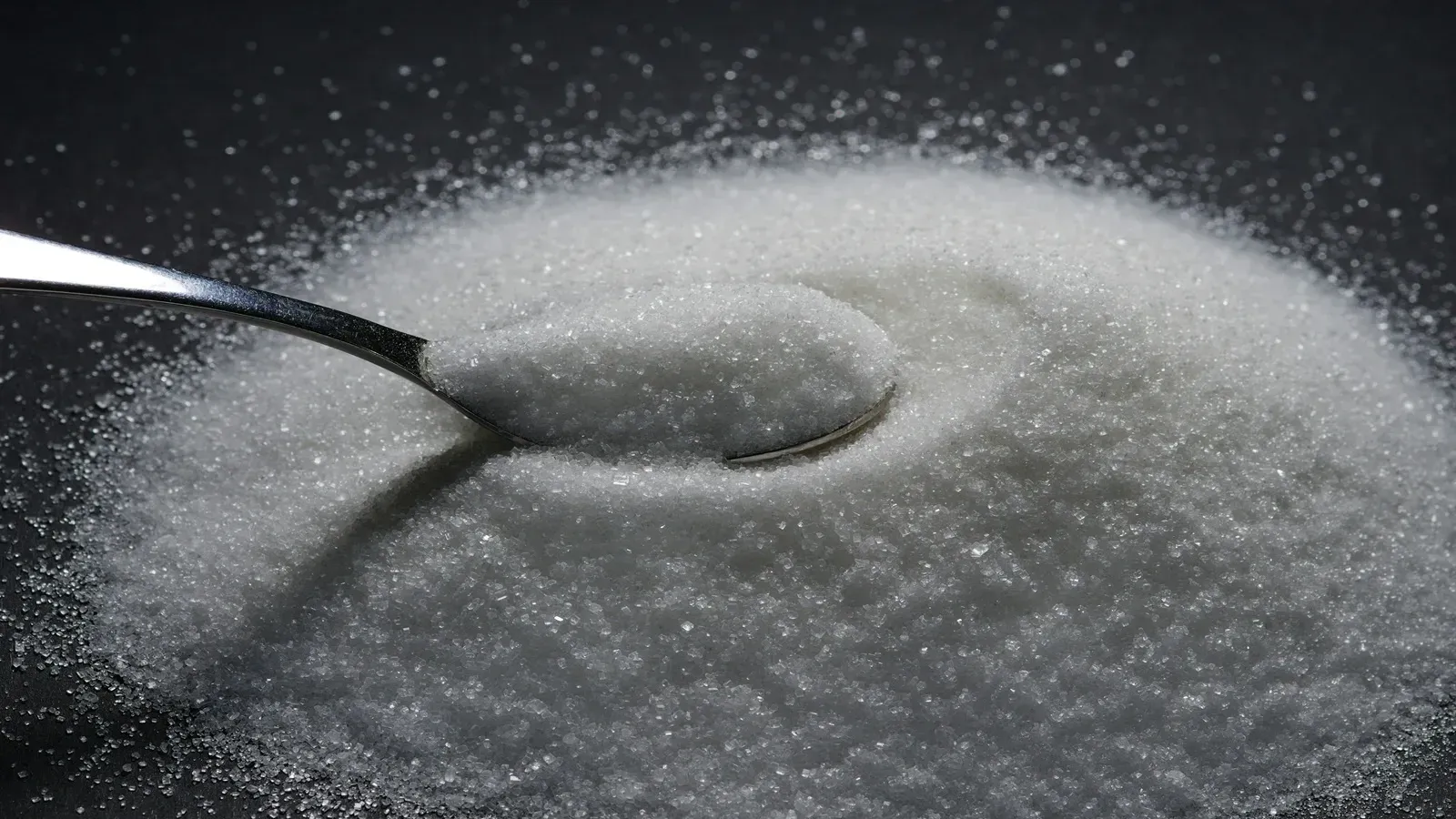
The Indian government has extended the deadline for duty-free imports of raw sugar by two months, now allowing imports until December 31, 2026. This extension aims to increase domestic sugar supplies and help control prices amid a reduction in expected sugar production for the 2025-26 marketing year.
- Duty-free raw sugar imports allowed up to 10 lakh tonnes until December 31, 2026.
- Domestic sugar production forecast lowered from 343 lakh tonnes to 306 lakh tonnes for 2025-26.
- Annual domestic sugar demand estimated at 280-285 lakh tonnes.
- Only 2.6 lakh tonnes imported so far under the duty-free window due to price issues.
- New ethanol procurement tender excludes sugar-based ethanol for 2026-27 supply year.
- Focus shifts to grain-based ethanol from maize, rice, and molasses.
Why has the government extended the duty-free raw sugar import deadline?
The government extended the duty-free import window for raw sugar to December 31, 2026, to address the shortfall in domestic sugar production. The latest estimates for the 2025-26 marketing year show a decrease in production from 343 lakh tonnes to 306 lakh tonnes. Since domestic demand is around 280-285 lakh tonnes annually, the extension allows imports to supplement supplies and help stabilize prices.
How much raw sugar has been imported so far under the duty-free scheme?
Industry data indicates that approximately 2.6 lakh tonnes of raw sugar have been imported under the duty-free import window. However, imports have been limited because international sugar prices have not been low enough to make overseas purchases commercially viable.
What changes have been made to the ethanol procurement tender for 2026-27?
The latest ethanol procurement tender, issued by Bharat Petroleum Corporation Ltd on behalf of state-run oil marketing companies, excludes ethanol produced from sugarcane juice, sugar syrup, and B-heavy molasses. This change follows government directions to reduce sugar diversion for ethanol production to zero for the 2026-27 supply year.
What feedstocks are allowed in the new ethanol procurement tender?
The tender allows bids for ethanol produced from maize, broken rice, surplus rice procured by the Food Corporation of India, and C-heavy molasses. The procurement price incentive for maize-based ethanol has been reduced from ₹71.86 per litre to ₹68.86 per litre.
Why is the government shifting focus from sugar-based to grain-based ethanol?
India is the world's largest sugar consumer, and diverting sugarcane and sugar for ethanol production can reduce the availability of sugar for food consumption, especially in years with lower sugar output. By excluding sugar-based ethanol from the latest procurement, the government aims to prioritize grain-based ethanol production. This shift supports the ethanol blending program's goals of reducing crude oil imports and lowering vehicle emissions without impacting sugar supplies for food.
What is the significance of ethanol blending in India?
The ethanol blending program in India targets blending 20% ethanol with petrol to reduce dependence on fossil fuels and lower pollution. The procurement tender for 2026-27 seeks around 11 billion litres of ethanol to meet this target. The changes in feedstock sourcing reflect efforts to balance fuel needs with agricultural production and food security.