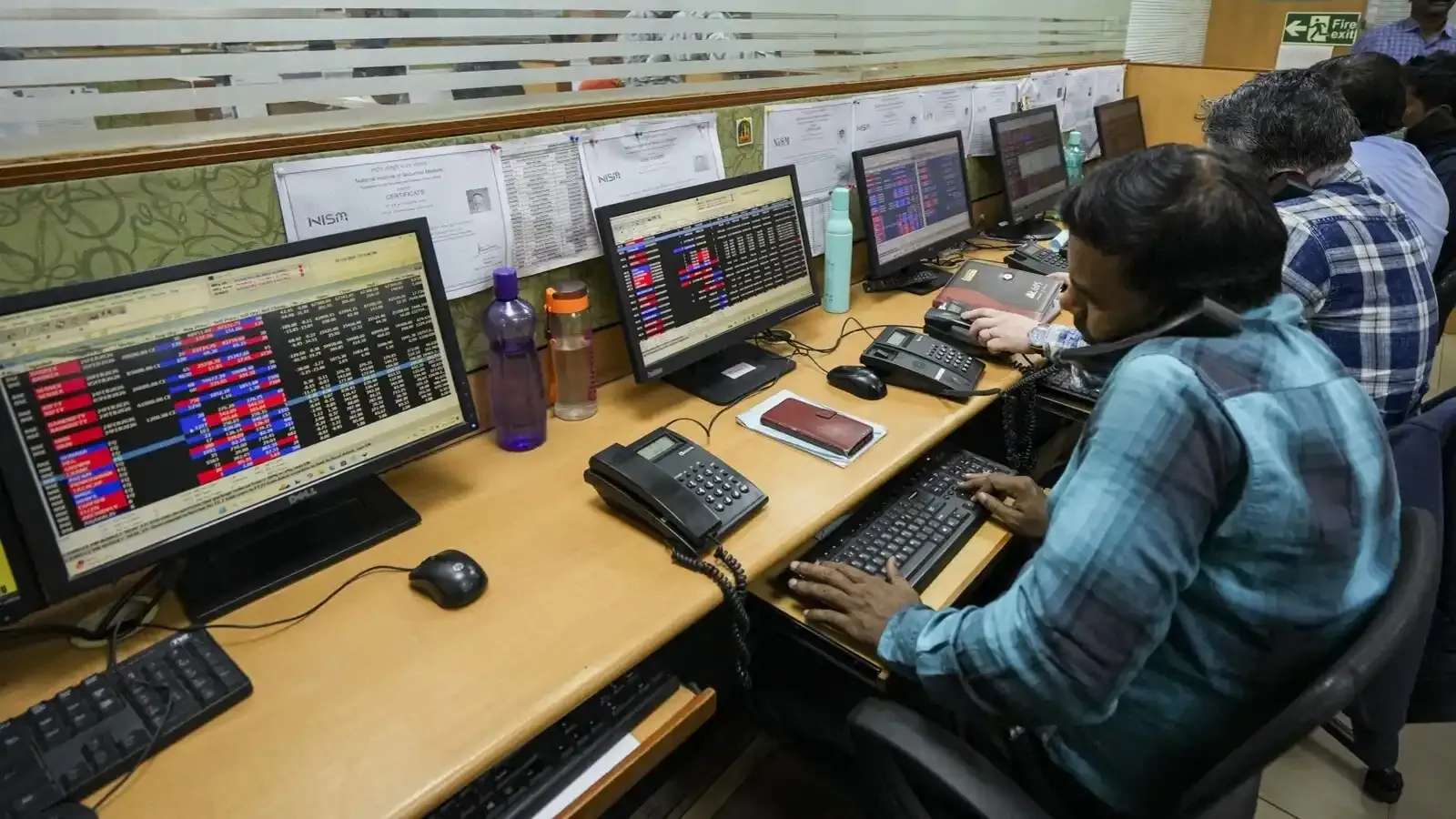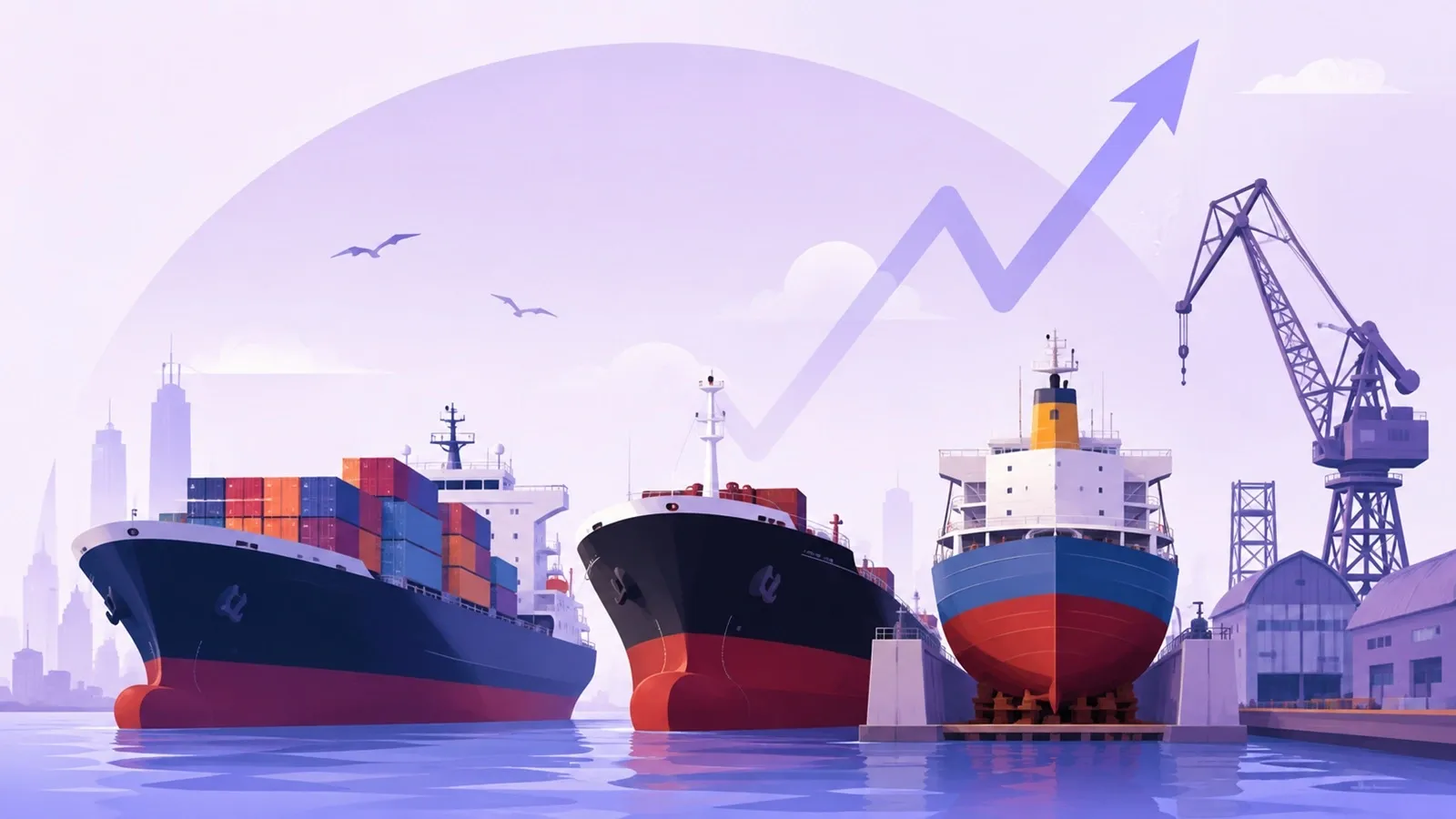
India is boosting its maritime industry by partnering with South Korea on shipbuilding and working with Rotterdam to digitalise port operations. These efforts aim to expand India's maritime capacity and improve trade efficiency. Companies like Cochin Shipyard and Adani Ports are among those to watch as the country pursues these goals.
- Union Minister Sarbananda Sonowal is visiting South Korea to explore shipbuilding cooperation.
- Commerce Minister Piyush Goyal announced India and Rotterdam port authorities are collaborating to digitalise cargo processes.
- India aims to become a global centre for shipbuilding and maritime logistics by 2030 and 2047.
- Key companies include Cochin Shipyard, Garden Reach Shipbuilders, Adani Ports, and JSW Infrastructure.
- Port capacity in India is expected to double twice by 2047 to support economic growth.
What is the purpose of the South Korea visit by India's Ports Minister?
Union Minister for Ports, Shipping and Waterways Sarbananda Sonowal began a four-day visit to South Korea to strengthen shipbuilding cooperation. He visited Busan, a major maritime hub, and met Indian professionals working in Korean shipbuilding. Sonowal emphasized the importance of the VOYAGES framework, an agreement between India and South Korea covering shipbuilding, shipping, and maritime logistics. He encouraged Indian professionals to use their Korean experience to support India's maritime ambitions.
How is India working with Rotterdam to improve port operations?
Commerce and Industry Minister Piyush Goyal stated that Indian and Rotterdam port authorities are collaborating to digitalise port processes. This initiative aims to speed up cargo evacuation and reduce ship turnaround times. Despite doubling port capacity over the past decade, India needs more capacity to support future economic growth. The partnership with Rotterdam, Europe's largest port, is expected to bring modern standards and efficiency improvements to Indian ports.
Which companies are expected to benefit from these maritime initiatives?
Several companies are positioned to gain from India's maritime growth plans. Cochin Shipyard has a memorandum of understanding with South Korea's HD Korea Shipbuilding & Offshore Engineering for long-term collaboration. Garden Reach Shipbuilders and Mazagon Dock Shipbuilders may also benefit from expanded shipbuilding efforts, although Mazagon Dock focuses more on naval vessels. On the port side, Adani Ports, JSW Infrastructure, and Gujarat Pipavav Port could see growth from increased cargo volumes and improved operational efficiency due to digitalisation and capacity expansion.
What are India's long-term maritime goals?
India aims to become a globally competitive centre for shipbuilding, ship repair, maritime manufacturing, and logistics. These goals align with the Maritime India Vision 2030 and Maritime Amrit Kaal Vision 2047. The country plans to double its port capacity twice by 2047 to support GDP growth and international trade. The India-EU Free Trade Agreement is expected to further boost trade opportunities, benefiting port operators and related industries.
Frequently Asked Questions
Q: What is the VOYAGES framework?
A: VOYAGES is a cooperation framework between India and South Korea covering shipbuilding, shipping, and maritime logistics. It aims to foster collaboration and professional growth in the maritime sector.
Q: How will digitalisation help Indian ports?
A: Digitalisation will speed up cargo evacuation and reduce ship turnaround times, making port operations more efficient and supporting increased trade volumes.
Q: Which companies are leading India's shipbuilding efforts?
A: Cochin Shipyard, Garden Reach Shipbuilders & Engineers, and Mazagon Dock Shipbuilders are key players in India's shipbuilding industry.
Q: What role does the Port of Rotterdam play?
A: The Port of Rotterdam is Europe's largest port and serves as a gateway for Indian goods to Europe. Its collaboration with Indian ports aims to modernise and improve port operations in India.
Source: Based on official statements from India's Ministry of Ports, Shipping and Waterways and Ministry of Commerce and Industry, October 2026.