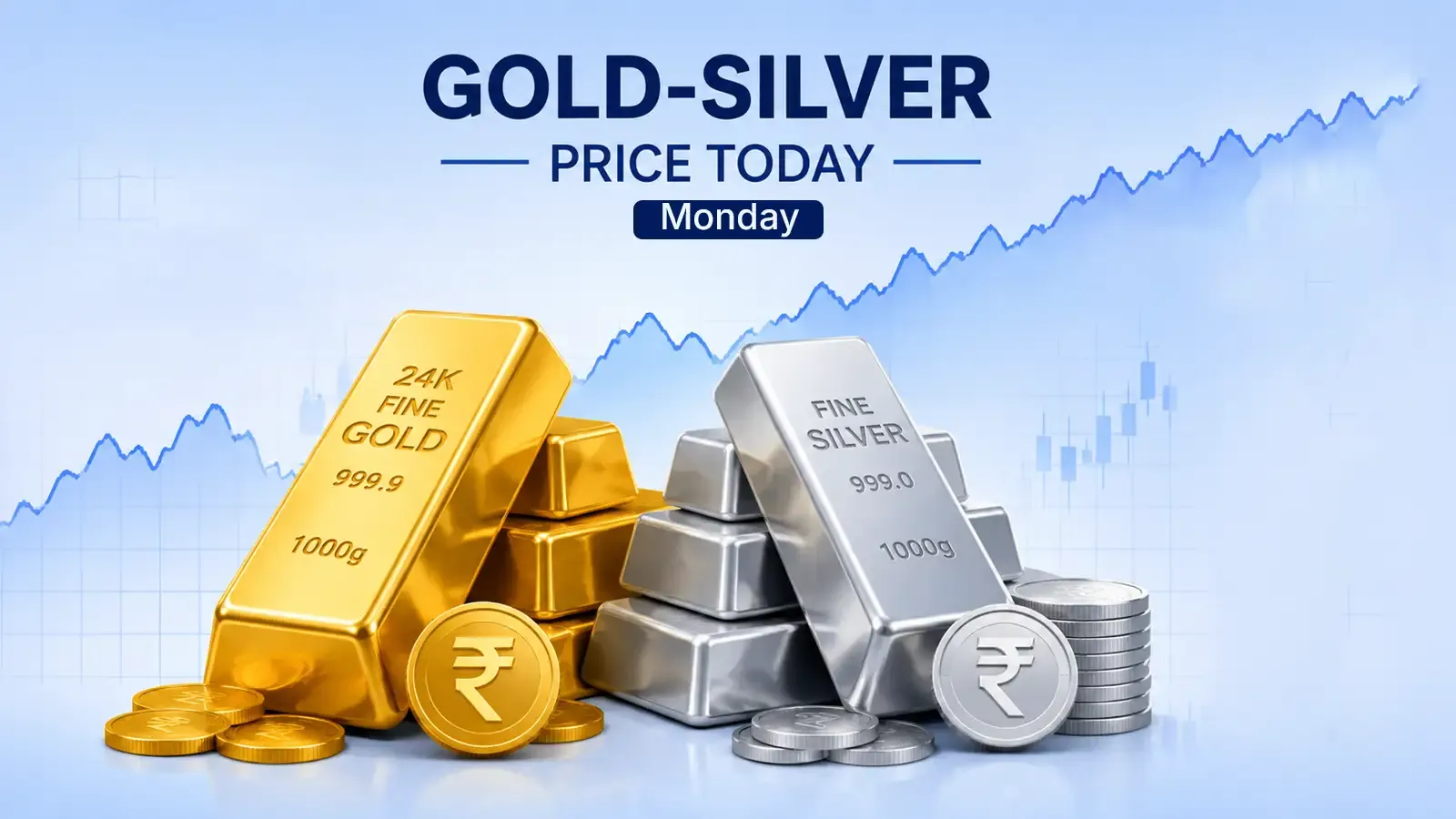
Gold and silver prices rebounded on October 26, 2026, following a sharp fall last week. This increase offers some relief to buyers ahead of the festive season, including Dhanteras and Diwali. Prices in major Indian cities such as Delhi, Mumbai, and Chennai showed positive movement, influenced by both domestic and international market factors.
- Gold futures rose 0.47% internationally to USD 4,014.81 per ounce.
- Silver futures increased 0.70% overseas to USD 54.26 per ounce.
- In India, 24-carat gold was priced at Rs 1,42,730 per 10 grams.
- 22-carat gold stood at Rs 1,30,850 per 10 grams.
- Silver futures for December delivery climbed 0.48% to Rs 1,96,650 per kg on the MCX.
Why Did Gold and Silver Prices Rebound on October 26?
The rebound in gold and silver prices was supported by firm spot demand and positive trends in global markets. After last week's sharp decline, buyers showed renewed interest, especially with the upcoming festive and wedding seasons in India, which traditionally increase demand for precious metals.
How Do International Markets Affect Domestic Prices?
International bullion prices and the rupee-dollar exchange rate significantly influence domestic gold and silver prices. On October 26, gold futures rose by 0.47% internationally, while silver futures increased by 0.70%. These gains helped lift prices in Indian markets. Additionally, fluctuations in the exchange rate can either raise or lower the cost of imported bullion, impacting local prices.
What Are the Current Prices of Gold and Silver in India?
As of October 26, 2026, 24-carat gold was priced at Rs 1,42,730 per 10 grams, and 22-carat gold was at Rs 1,30,850 per 10 grams. Silver futures for December delivery rose by 0.48% to Rs 1,96,650 per kilogram on the Multi Commodity Exchange (MCX), with a turnover of 1,622 lots.
What Factors Influence Seasonal Demand for Gold?
Seasonal demand for gold gains traction during key festive and wedding periods. According to Kavita Chacko, Research Head for India at the World Gold Council, a recent moderation in gold prices has supported this seasonal demand. Jewellers have reported increased store visits, and manufacturers have seen healthy order flows as retailers replenish inventories ahead of festivals.
What Challenges Could Affect Jewellery Sales Despite Rising Demand?
Although festive and wedding-related purchases support the market, elevated gold prices may limit the volume of jewellery sales. High prices can restrict the quantity consumers are willing or able to buy, even when demand is strong.
What Should Investors Watch Moving Forward?
Precious metals remain under pressure despite the recent recovery. Investors are closely monitoring several factors, including the US Federal Reserve's policy decisions, inflation indicators, crude oil prices, the strength of the US dollar, and bond yields. These elements influence global market sentiment and, consequently, gold and silver prices.
Additionally, the US midterm elections are a factor to watch. The market's response will depend on how election outcomes affect interest rates, currency values, geopolitical risks, and investor demand for precious metals.
Frequently Asked Questions
Q: Why do gold and silver prices fluctuate frequently?
A: Prices change due to factors like international bullion prices, currency exchange rates, investor demand, and economic indicators such as inflation and interest rates.
Q: How does the festive season affect gold demand in India?
A: Festivals and weddings increase demand for gold jewellery and coins, often leading to higher prices and sales during these periods.
Q: Can high gold prices reduce jewellery sales?
A: Yes, elevated prices may limit the quantity of jewellery consumers purchase, even if demand remains strong.