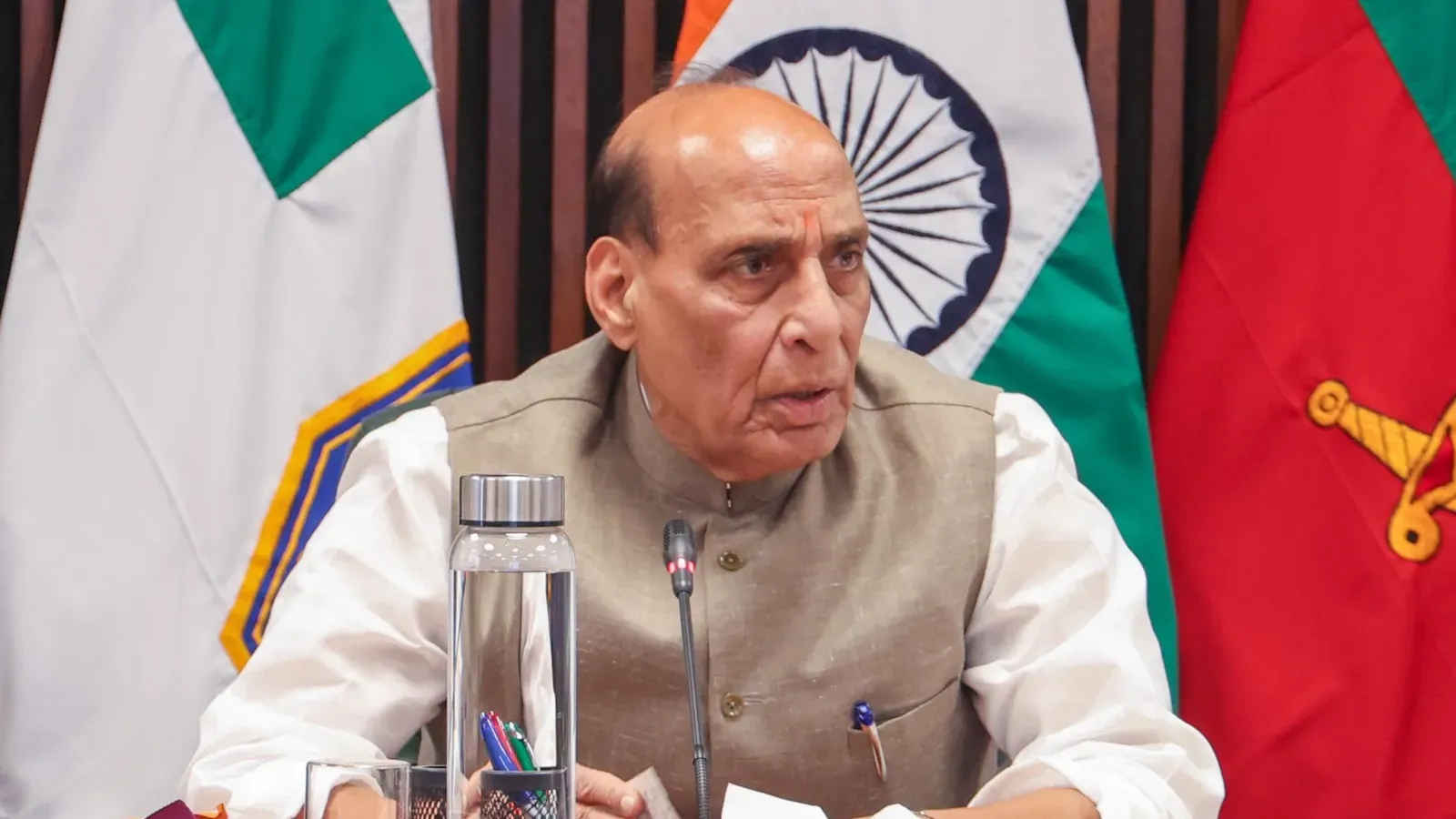
The Defence Acquisition Council (DAC), chaired by Defence Minister Rajnath Singh, has approved defence procurement proposals worth approximately ₹2.12 lakh crore. This significant decision aims to enhance the capabilities of the Indian Army, Navy, and Air Force. Notably, about 82% of the equipment will be sourced from Indian industries, supporting the country's push for self-reliance in defence production.
What is the Defence Acquisition Council?
The Defence Acquisition Council is a high-level committee responsible for approving capital acquisition proposals for the Indian armed forces. It is chaired by the Defence Minister and includes senior officials from the Ministry of Defence and the armed forces. The council's role is to ensure timely and efficient procurement of defence equipment to meet the operational requirements of the military.
What proposals were approved by the DAC?
The DAC accorded Acceptance of Necessity (AoN) to capital acquisition proposals worth around ₹2.12 lakh crore. These proposals cover a wide range of military equipment and systems for the Army, Navy, and Air Force. The approved items include artillery systems, helicopters, air defence systems, unmanned aerial vehicles (UAVs), and naval platforms. This diverse range of equipment is expected to strengthen India's defence capabilities across all three services.
How much of the procurement will be sourced domestically?
Approximately 82% of the approved procurement will be sourced from Indian industry. This aligns with the government's 'Make in India' initiative, which encourages domestic manufacturing and reduces dependence on foreign suppliers. By promoting indigenous production, the defence sector aims to boost the economy, create jobs, and develop advanced technologies within the country.
Why is domestic sourcing important for defence?
Domestic sourcing in defence procurement is crucial for several reasons. It enhances national security by ensuring a reliable supply of critical equipment. It also fosters technological innovation and self-reliance, reducing vulnerability to international market fluctuations and geopolitical risks. Furthermore, it supports the growth of the domestic defence industry, leading to economic development and employment opportunities.
What are the key takeaways from the DAC's recent approvals?
- The Defence Acquisition Council approved defence procurement proposals worth ₹2.12 lakh crore.
- About 82% of the equipment will be sourced from Indian industries.
- The approvals cover artillery systems, helicopters, air defence systems, UAVs, and naval platforms.
- These acquisitions aim to strengthen the Army, Navy, and Air Force capabilities.
- The move supports the 'Make in India' initiative and promotes self-reliance in defence manufacturing.
Frequently Asked Questions
Q: What is the Acceptance of Necessity (AoN)?
A: Acceptance of Necessity is a formal approval given by the Defence Acquisition Council to proceed with procurement proposals. It confirms the requirement and justifies the acquisition of specific defence equipment.
Q: How does the DAC impact India's defence preparedness?
A: The DAC plays a vital role in ensuring that the armed forces receive modern and capable equipment on time, which is essential for maintaining and enhancing defence preparedness.
Q: What is the significance of sourcing 82% of equipment domestically?
A: Sourcing a majority of defence equipment domestically reduces reliance on imports, supports local industries, and strengthens the country's defence manufacturing ecosystem.