The Indian government has reached its goal of blending 20% ethanol with petrol and currently has no plans to increase this percentage. Union Minister for Petroleum and Natural Gas, Hardeep Singh Puri, clarified this during the inauguration of the 29th Energy Technology and Innovation Meet in South Goa. The government promotes ethanol blending to reduce reliance on imported crude oil and support cleaner fuel alternatives.
- The current ethanol blending target of 20% has been achieved.
- There are no immediate plans to increase ethanol blending beyond 20%.
- Concerns about engine damage from E20 fuel are considered misinformation.
- Older vehicles made before 2003 may face issues with E20 fuel.
- Flex-fuel vehicles capable of using higher ethanol blends are being certified.
What is the current status of ethanol blending in petrol?
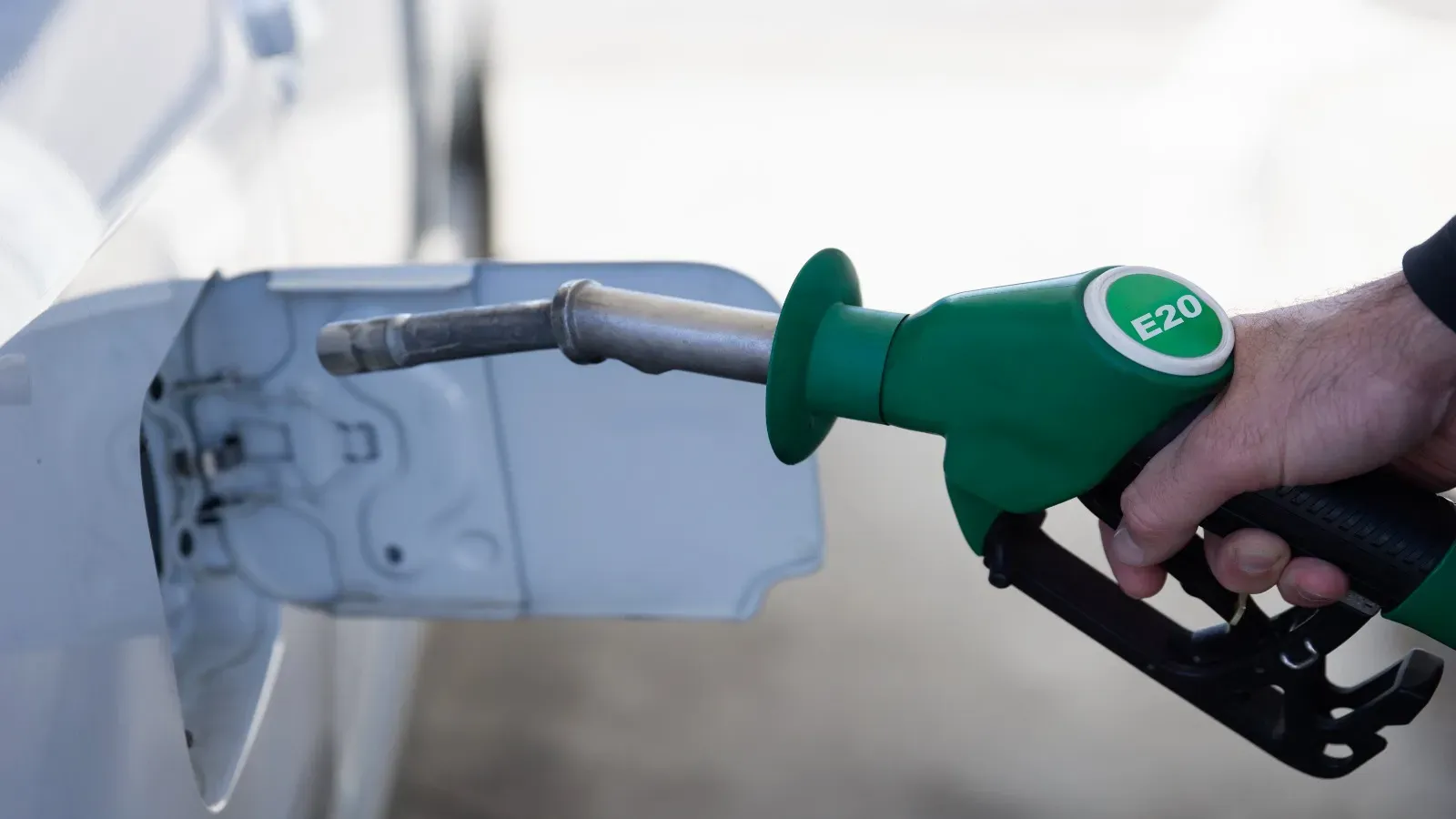
The government has successfully implemented the blending of 20% ethanol in petrol, known as E20 fuel. This blend contains 20% ethanol and 80% petrol. The target was set to promote cleaner energy and reduce crude oil imports. According to Minister Hardeep Puri, there is no immediate plan to increase this percentage beyond 20%.
Are there concerns about E20 fuel damaging vehicle engines?
Some concerns have been raised about engine damage caused by E20 fuel. However, the minister described these claims as a "contrived narrative" and misinformation. He noted that older vehicles manufactured before 2003 might experience problems with E20 fuel. Additionally, issues reported by users could be related to the transportation of blended fuel, such as contamination from tankers used for other substances.
What steps has the government taken regarding higher ethanol blends?
The Ministry of Road Transport and Highways recently amended the Central Motor Vehicles Rules to allow certification of flex-fuel vehicles that can run on ethanol blends up to E100, which is nearly pure ethanol. These vehicles are specially designed and certified to use higher ethanol content fuels. Vehicles designed for E20 or conventional petrol should not use E85 or E100 fuels.
How are automakers responding to ethanol fuel blends?
Automakers such as Maruti Suzuki, Toyota, Tata Motors, and Hyundai are developing flex-fuel vehicles capable of running on ethanol blends ranging from E20 to E100. For example, Maruti Suzuki launched the Wagon R Flex Fuel, India's first flex-fuel passenger vehicle. These efforts align with government policies to diversify the energy mix and promote alternative fuels.
Why is ethanol blending important for India?
India imports a large portion of its crude oil, which affects the country's import bill and current account balance. By increasing ethanol blending in petrol, the government aims to reduce dependence on imported fossil fuels, lower pollution, and support sustainable energy sources. The nationwide rollout of E20 petrol is a significant step toward these goals.
Frequently Asked Questions
Q: Is the government planning to increase ethanol blending beyond 20% soon?
A: No, the government has no immediate plans to raise ethanol blending in petrol beyond the current 20%.
Q: Can all vehicles use E20 fuel safely?
A: Most vehicles can use E20 safely, but older vehicles manufactured before 2003 may face issues.
Q: What are flex-fuel vehicles?
A: Flex-fuel vehicles are specially designed to run on ethanol blends ranging from E20 up to E100 (nearly pure ethanol).
Q: Why is ethanol blending promoted by the government?
A: Ethanol blending reduces dependence on imported crude oil, lowers pollution, and supports cleaner energy alternatives.