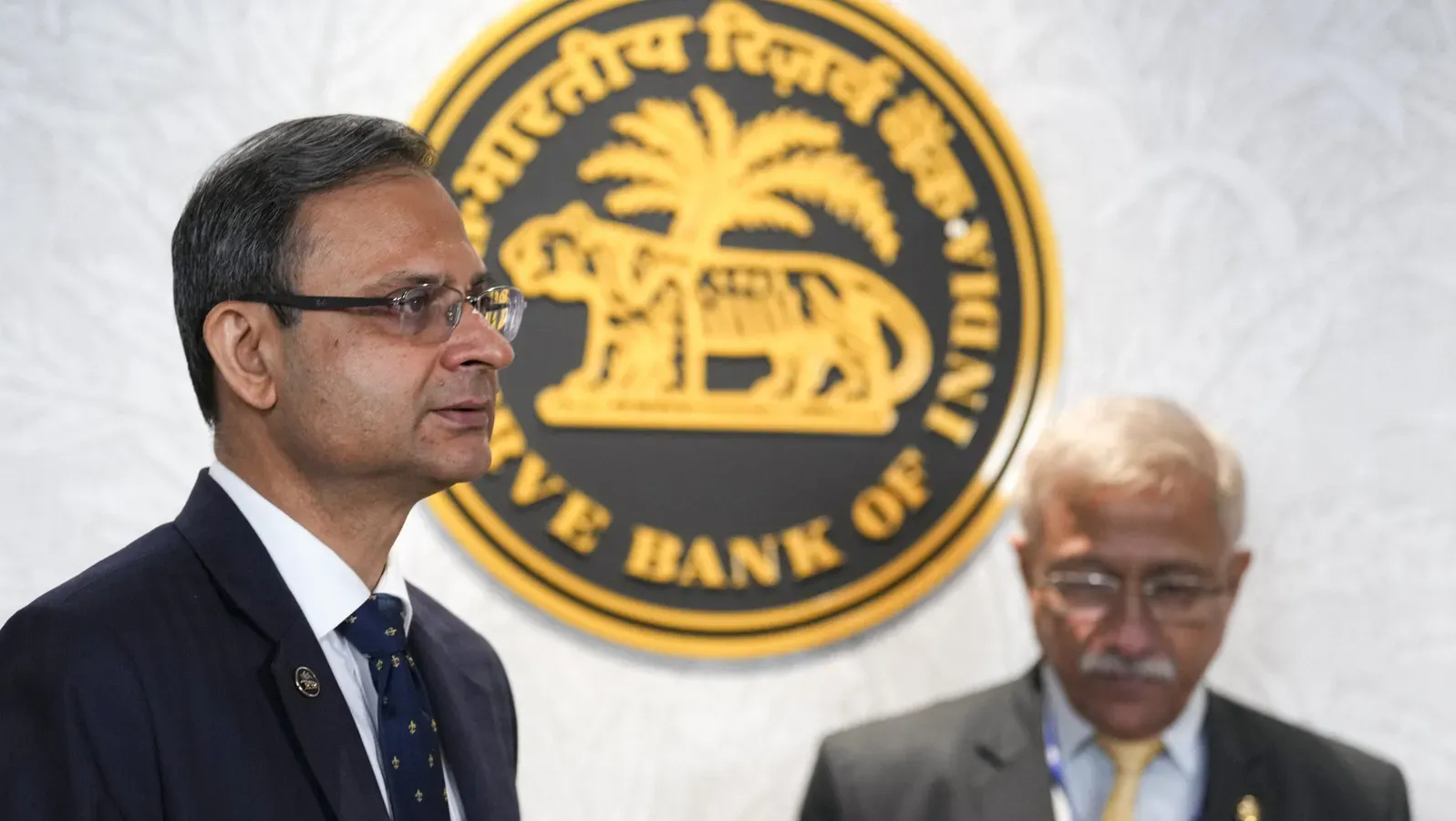
The Reserve Bank of India (RBI) has called on states to improve the quality of their expenditure and adopt prudent borrowing strategies to maintain long-term fiscal health. RBI Governor Sanjay Malhotra emphasized these points during the 36th Conference of State Finance Secretaries held at the RBI headquarters in Mumbai.
- States should focus on quality expenditure to ensure fiscal sustainability.
- Prudent borrowing and effective cash management are essential for financial health.
- The Unified Lending Interface (ULI) and Programmable Central Bank Digital Currency (P-CBDC) can improve direct benefit transfers.
- State Level Bankers' Committee (SLBC) forums should be used effectively.
- The RBI released a booklet on cash and debt management for state governments.
Why does the RBI emphasize expenditure quality for states?
RBI Governor Sanjay Malhotra highlighted that maintaining the quality of expenditure is crucial for the long-term fiscal health of states. Quality expenditure means spending on projects and services that generate sustainable economic benefits rather than short-term or non-productive expenses. This approach helps states avoid excessive debt and ensures they can meet their financial obligations in the future.
What borrowing strategies did the RBI recommend?
The RBI urged states to adopt prudent borrowing strategies. This includes managing debt responsibly by avoiding unnecessary or excessive borrowing and ensuring that borrowed funds are used for productive purposes. Prudent borrowing helps states maintain fiscal discipline and reduces the risk of financial instability.
How can states improve cash management?
Effective cash management is essential for states to meet their payment obligations on time and avoid liquidity shortages. The RBI encouraged states to strengthen their cash management practices by using modern tools and techniques. This includes better forecasting of cash flows and timely mobilization of resources.
What is the Unified Lending Interface (ULI) and why should states adopt it?
The Unified Lending Interface (ULI) is a digital platform that facilitates efficient lending and borrowing processes. The RBI Governor encouraged states to onboard the ULI to streamline their financial operations. Using ULI can improve transparency, reduce delays, and enhance the overall efficiency of state borrowing and lending activities.
What role does Programmable Central Bank Digital Currency (P-CBDC) play?
Programmable Central Bank Digital Currency (P-CBDC) is a digital form of currency issued by the central bank that can be programmed for specific uses. The RBI suggested that states use P-CBDC for direct benefit transfers (DBT) to ensure faster, more secure, and transparent delivery of funds to beneficiaries.
How can the State Level Bankers' Committee (SLBC) forum help states?
The SLBC forum brings together banks and state governments to coordinate financial activities. The RBI advised states to make effective use of this forum to improve coordination, address banking-related issues, and support financial inclusion initiatives.
What was the purpose of the RBI's booklet on cash and debt management?
During the conference, the RBI released a booklet titled "Compendium on Cash and Debt Management for State Governments." This publication compiles important concepts, operational processes, and best practices related to cash and debt management. It serves as a guide to help state governments improve their financial management and ensure fiscal sustainability.
The 36th Conference of State Finance Secretaries was attended by finance secretaries from 27 states and three Union Territories, along with senior officials from the Union Finance Ministry, the Controller General of Accounts, and the Comptroller and Auditor General of India. The conference focused on enhancing the fiscal sustainability of states through better expenditure quality, cash management, and debt strategies.